
Planting
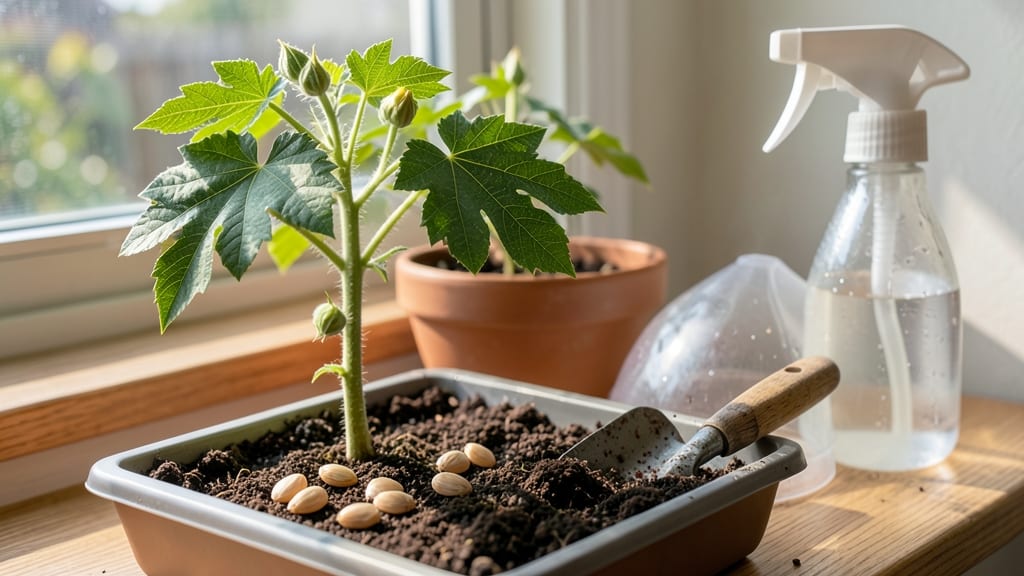
Cold-stratified cotton seed sowing transforms stubborn little nuggets into sturdy seedlings in just 60 days—and here’s how to make it happen. 🌱 I’ve wrestled with cotton seeds that refused to sprout, but this method works even for beginners who’ve never grown cotton before.
The secret? Mimicking the natural winter chill they need to break dormancy before spring warmth kicks in.
You’ll need a few simple supplies: a plastic bag, damp paper towels, and a refrigerator for the cold treatment. After 30 days of stratification, seeds sprout faster and stronger than store-bought transplants.
The process is foolproof once you understand the timing—no more waiting months for seeds that never arrive or seedlings that flop in the heat.
By day 60, you’ll have seedlings with true leaves ready to transplant, and they’ll grow into plants that produce fluffy bolls or vibrant flowers. The best part? This method works for both indoor starts and outdoor sowing in warmer climates, so you can adapt it to your zone.
Whether you’re growing cotton for fiber, oil, or just the striking blooms, this approach cuts down on guesswork. Let’s get those seeds sprouting—your future plants will thank you.
📚 In This Guide
- What you need
- Instructions
- Tips and common mistakes
- Wrapping up and next steps
What you need
- ● Cotton seeds: 50–100 seeds (organic, untreated, and cold-hardy varieties like Gossypium hirsutum recommended).
- ● Cold stratification setup: 1–2 plastic storage bags (quart or gallon size, with zip-top seals).
- ● 1 paper towel or moistened vermiculite (enough to lightly wrap seeds).
- ● 1 refrigerator (set to 34–40°F (1–4°C) for stratification).
- ● Germination containers: 1–2 seedling trays (with drainage holes) or small pots (3–4 inches deep).
- ● Potting mix: 1–2 gallons of sterile, well-draining soil (e.g., 50% peat moss, 30% perlite, 20% compost).
- ● Watering tools: 1 spray bottle (for gentle moisture control).
- ● 1 watering can (with fine rose attachment).
- ○ Growth aids (optional but helpful): 1 grow light (LED or fluorescent, 12–16 hours/day).
- ● 1 humidity dome (to retain moisture during early stages).
- ● 1 thermometer/hygrometer (to monitor soil temp: 70–80°F (21–27°C) post-stratification).
- ● Seed viability test: Soak 5–10 seeds in warm water for 24 hours—discard any that float (non-viable).
- ● Clean workspace: Sanitize tools with 10% bleach solution or rubbing alcohol to prevent mold.
- ● Weather check: Ensure outdoor transplanting aligns with your last frost date (cotton thrives in warm climates).
Step-by-step instructions for cold-stratifying cotton seeds
Here's how I break down the process for reliable germination—no guesswork involved.
🌱 Step 1: Select and Prepare Cotton Seeds
Start with fresh, high-quality cotton seeds—older seeds germinate poorly. I like to soak them in lukewarm water for 12 hours first. This softens the tough outer coating and speeds up the cold-stratification process. Drain them well afterward, then place them between two damp paper towels.
Roll the towels loosely so the seeds stay in contact with moisture but don’t suffocate. Fold the ends and secure with a rubber band. This setup mimics the damp, cool conditions cotton seeds need to break dormancy. You’ll see tiny cracks in the seed coats in 3-5 days—that’s your first sign they’re ready for the next step.
🥶 Step 2: Cold-Stratify for 60 Days
Place the wrapped seeds in a ziplock bag and seal it tightly to retain moisture. Store them in your refrigerator’s crispier drawer, where temperatures hover around 35-40°F. I check them weekly to ensure the towels stay damp but not soggy—cotton seeds rot if overwatered.
After 60 days, remove the seeds and inspect for sprouts. Healthy seeds will have ¼-inch white roots or tiny green shoots. If some seeds haven’t sprouted, don’t toss them—plant them anyway. Sometimes, the stratification period needs a few extra days, and these late bloomers might surprise you.
🪴 Step 3: Plant in Warm, Well-Draining Soil
Fill small pots with a mix of 60% potting soil and 40% perlite to improve drainage—cotton plants hate soggy roots. Plant the stratified seeds ½ inch deep, spacing them 2 inches apart in each pot. Gently press the soil around them to ensure good contact.
Place the pots in a warm spot with indirect light (around 70°F) until sprouts emerge, which usually takes 7-10 days. Avoid direct sunlight at this stage—young seedlings are delicate. Water lightly from the bottom to prevent disturbing the soil surface, and keep the soil consistently moist but never waterlogged.
☀️ Step 4: Transition to Bright Light and Warmth
Once seedlings have 2-3 true leaves (not just the initial cotyledons), move them to a sunny windowsill or under grow lights. Cotton plants need full sun to thrive, so aim for 12-14 hours of light daily. If using grow lights, position them 6 inches above the plants and adjust as they grow.
Hardening off begins when seedlings are 4-6 inches tall. Start by placing them outside in a sheltered spot for 1 hour daily, gradually increasing exposure over 10 days. Watch for wilting—if leaves droop, they’re not ready for full sun yet. Cotton plants are sensitive to temperature swings, so avoid transplanting when nights are still chilly.
Tips & tricks for perfect cold-stratified cotton seed germination
Here's what I learned the hard way after struggling with inconsistent germination rates—these details make all the difference.
Water Temperature Matters: The 12-hour soak in lukewarm water (around 90°F) is crucial—too hot and you'll damage the seeds, too cold and they won't soften properly. I use a thermometer to check the water temperature before adding seeds, and I never exceed 95°F. This step is what breaks the seed's dormancy barrier, so don't skip it!
Moisture Balance: During the 60-day cold stratification, the paper towels should feel like a wrung-out sponge—not dripping, but not dry either. I check weekly by gently squeezing the towels—they should release just a few drops of water. Overwatering causes rot, while too little moisture prevents germination. The ziplock bag helps maintain this balance by creating a humid microclimate.
Refrigerator Placement: The crispier drawer at 35-40°F is ideal, but not all refrigerators are created equal. If your fridge runs cooler, consider using a seed stratification fridge mat (available online) to maintain consistent temperatures. I've seen germination rates drop dramatically when seeds experience temperature swings—keep them stable!
Seedling Transition: When moving seedlings to full sun after the 2-3 true leaves stage, do it gradually over several days. I start with just 2 hours of direct light on the first day, then increase by 2 hours daily. This prevents sunburn and helps the delicate seedlings adjust. The 12-14 hours of light requirement is non-negotiable—cotton plants need plenty of sunlight to develop properly.
Pro Tips for Cotton Seed Sowing
- Here's what I learned the hard way after struggling with inconsistent germination rates—these details make all the difference.
- Water Temperature Matters: The 12-hour soak in lukewarm water (around 90°F) is crucial—too hot and you'll damage the seeds, too cold and they won't soften properly.
- Moisture Balance: During the 60-day cold stratification, the paper towels should feel like a wrung-out sponge—not dripping, but not dry either.
Frequently asked questions
Got questions about cotton seed sowing? You’re not alone! Here are some of the most common queries—plus quick, actionable answers to get you growing like a pro.
Why do cotton seeds need cold stratification before sowing?
Cotton seeds often have a hard outer coat that prevents germination. Cold stratification (chilling seeds for 60 days) mimics winter conditions, breaking dormancy and ensuring faster, more reliable sprouting. Pro tip: Skip this step, and you might wait months—or never see growth!
Can I sow cotton seeds directly outdoors without cold stratification?
Technically yes, but success rates drop dramatically. Direct sowing works best in warm climates (Zone 8+) with consistent moisture. For cooler regions, cold stratification is highly recommended—it’s the secret to beating unpredictable spring weather.
What’s the best soil mix for cotton seed germination?
Use a lightweight, well-draining mix: 50% potting soil + 30% perlite + 20% sand. Cotton seeds hate soggy roots! Add a thin layer of compost for nutrients, but avoid heavy amendments like manure—they can inhibit germination. pH tip: Aim for 6.0–7.0.
How do I protect cotton seedlings from pests like aphids or fungus gnats?
Start with sterile soil to prevent fungus gnats. For aphids, spray seedlings with neem oil (1 tsp per liter of water) or introduce ladybugs. Keep humidity low (<60%) to deter mold. Warning: Overwatering = pest magnet!
What’s the ideal time to transplant cotton seedlings outdoors?
Wait until soil temps hit 65°F+ (18°C+) and nighttime frosts are gone. Seedlings need warmth to thrive—transplant too early, and they’ll bolt or rot. Hardening off: Acclimate seedlings to sun/wind over 7–10 days before moving them outside.
Can I reuse cotton seed hulls or shells for other plants?
Yes! Once seeds germinate, rinse hulls and compost them—they’re nutrient-rich. For other plants, crush hulls into soil as a slow-release fertilizer (high in potassium) or use them as mulch to retain moisture. Bonus: They deter slugs naturally!
Wrapping up and next steps
Mastering cotton seed sowing with cold-stratified germination in just 60 days is a game-changer for any gardener! 🌱 With the right materials, patience, and a few expert tips, you’re well on your way to nurturing healthy cotton plants.
Remember, consistency in moisture, temperature, and light is key—your green thumb will shine through with these simple steps.
Ready to take the next step? Start small—plant a few seeds in pots first to refine your technique, then expand your crop. Happy sowing, and may your cotton plants grow strong and bountiful! 🌟