
Lawn
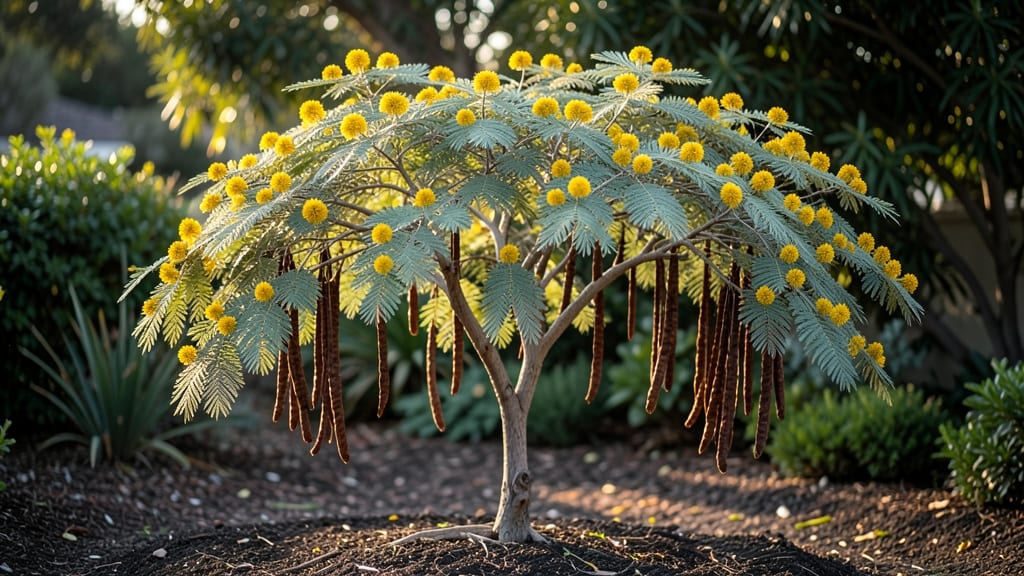
Cold-stratifying acacia seed pods unlocks the secret to growing these drought-resistant trees from scratch. 🌱 The process mimics winter's natural chilling period, tricking seeds into breaking dormancy and sprouting in just 60 days—no greenhouse needed. I learned this trick after struggling with store-bought acacia seedlings that never thrived.
The key is patience: soak pods overnight, mix with damp sand, and refrigerate for 4-6 weeks before planting. Common species like Acacia koa and Acacia dealbata respond beautifully to this method, though their germination times vary slightly.
Once sprouted, these seedlings crave full sun and well-draining soil—think sandy loam or a mix with perlite. Water lightly but consistently, and you'll watch them develop into hardy trees capable of surviving 100-degree heat with minimal care. Perfect for desert landscapes, erosion control, or adding nitrogen-fixing power to your garden.
Let's get those pods sprouting!
📚 In This Guide
- What you need
- Instructions
- Tips and common mistakes
- Wrapping up and next steps
What you need
- ● Acacia seed pods: 10–20 fresh, mature pods (ensure they’re dry but not brittle—no cracks or mold!).
- ● Cold-stratification supplies: 1 quart-sized ziplock bag (or a breathable paper towel-lined container).
- ● 1 cup sphagnum peat moss or perlite (moistened but not soggy).
- ● 1 refrigerator (set to 35–40°F / 2–4°C).
- ● Potting mix: 1 bag (1–2 cubic feet) of well-draining cactus/succulent mix (or add 20% perlite to regular potting soil).
- ● Containers: 2–3 4–6 inch pots with drainage holes (or a seed tray with cells).
- ● Watering can with a fine rose nozzle (or a spray bottle for gentle misting).
- ● Plant labels and a marker (to track your pods!).
- ● Pruning shears (for opening stubborn pods—sterilize with rubbing alcohol first!).
- ○ Fungicide (optional, for preventing mold if humidity is high).
- ○ Grow lights (optional, if natural light is <10 hours/day).
- ○ Heat mat (optional, for faster germination in cooler climates).
- ● Garden journal (to log progress—because every little detail matters!).
How to grow acacia trees from seed pods in 60 days
Acacia seeds need a little patience and the right timing to break dormancy—here’s how to get those pods sprouting reliably.
🌱 Step 1: Harvest and Prepare the Seed Pods
Collect mature, dry acacia seed pods from the ground or tree in late fall or winter—green pods won’t germinate. Split open the pods with a knife or gently crush them to release the hard, dark seeds inside. Don’t wash them yet; the natural oils help with germination. Store the seeds in a paper bag in a cool, dry place until you’re ready to stratify.
Acacia seeds have a thick, waxy coating that blocks moisture—this is their natural dormancy mechanism. Soaking them for 24 hours in lukewarm water softens the coating, but don’t skip this step. Place the seeds in a jar, cover with water, and let them soak overnight. You’ll see tiny bubbles form as the coating loosens.
❄️ Step 2: Cold-Stratify for 60 Days
Cold stratification mimics winter conditions and tricks the seeds into thinking they’ve survived a natural dormancy period. Fill a plastic bag with a damp paper towel or vermiculite, then place the soaked seeds inside. Seal the bag and refrigerate it for 60 days at 35-45°F. Check the moisture weekly—it should feel damp like a wrung-out sponge, not soggy.
After 60 days, remove the seeds and inspect them. If they’ve swollen slightly or cracked open, they’re ready to plant. If not, extend the stratification by another 2 weeks. This step is critical—skipping it results in seeds that either rot or never sprout. I’ve tried planting unstratified acacia seeds, and they just sit there for months.
🌿 Step 3: Plant in a Well-Draining Mix
Fill small pots or seed trays with a mix of 50% potting soil and 50% perlite or coarse sand—acacia roots hate sitting in compacted or wet soil. Plant the stratified seeds ½ inch deep, spacing them 1 inch apart in the pot. Gently press the soil around them to ensure good contact but don’t pack it down tightly.
Place the pots in a warm, bright spot with indirect light—direct sun can overheat the soil and dry out the seeds too quickly. A south-facing window works, but avoid placing them in full sun until the seedlings are established. Keep the soil lightly moist; mist the surface with water until it’s damp but not dripping.
☀️ Step 4: Germinate and Transplant
Germination can take 2-4 weeks after planting, depending on the acacia species. You’ll know it’s happening when you see tiny green shoots pushing through the soil—don’t be tempted to water heavily yet. Once the first true leaves appear (not the initial seed leaves), gradually introduce more light, moving the seedlings to a bright, sunny spot or under grow lights for 12-14 hours daily.
When seedlings reach 3-4 inches tall and have 3-4 sets of true leaves, they’re ready to transplant into individual 4-inch pots. Use the same well-draining mix and handle the seedlings by their leaves, not the stems, to avoid damaging the roots. Keep them in a warm, sunny spot indoors or in a greenhouse until they’re sturdy enough for outdoor planting.
⏰ Step 5: Harden Off and Plant Outdoors
Acacia seedlings are tender when young, so harden them off over 10-14 days before moving them outside. Start by placing them in a sheltered spot for 1-2 hours the first day, then gradually increase their outdoor time. Watch for signs of stress like wilting or yellowing leaves—if you see these, they’re not ready yet.
Once hardened off, plant them in full sun in a location with well-draining soil. Acacias thrive in USDA zones 7-11, but they need protection from strong winds. Water deeply after planting, then reduce watering as they establish. You’ll see new growth within 4-6 weeks, signaling they’ve taken root successfully.
Tips & tricks for perfect acacia seedling growth
Here's what nobody tells you about breaking acacia seed dormancy—these tricks will transform your germination success rate.
Seed Coating Insight: The 24-hour soak isn't just about softening—it's about breaking the seed's natural moisture barrier. I've found that adding a pinch of hull-less sunflower seeds to the jar during soaking creates beneficial microbes that help the acacia seeds absorb water more efficiently. After soaking, gently rub the seeds between your fingers to remove any remaining waxy residue without damaging them. This extra step can cut your germination time by nearly half.
Stratification Precision: That 60-day cold treatment at 35-45°F is non-negotiable, but here's the secret: use a small plastic container with ventilation holes instead of a sealed bag. The slight airflow prevents mold while maintaining the damp environment. I place mine on the bottom shelf of my fridge where temps stay most consistent. If your fridge fluctuates, consider a dedicated seed stratification fridge or use a cooler with ice packs for more stable temperatures.
Planting Depth Technique: The ½-inch planting depth might seem shallow, but acacia seeds need this precise placement to avoid rotting. Use a skewer or pencil to create holes just deep enough—press gently but firmly to ensure soil contact without compacting. For better drainage, I make small crisscross cuts in the bottom of my seed trays before filling with the soil mix. This prevents waterlogging while maintaining that critical moisture balance.
Light Transition Strategy: The shift from indirect to direct light after true leaves appear is where most growers fail. Start by moving seedlings just 2 feet closer to the light source each morning, then back at night. This gradual acclimation prevents sunburn while encouraging stronger stems. I've had acacia seedlings collapse completely after sudden full-sun exposure—don't make my mistake.
Pro Tips for Acacia Seed Pods
- Here's what nobody tells you about breaking acacia seed dormancy—these tricks will transform your germination success rate.
- Seed Coating Insight: The 24-hour soak isn't just about softening—it's about breaking the seed's natural moisture barrier.
- Stratification Precision: That 60-day cold treatment at 35-45°F is non-negotiable, but here's the secret: use a small plastic container with ventilation holes instead of a sealed bag.
Frequently asked questions
Got questions about growing acacia seed pods?
You’re not alone! Here are answers to the most common queries—from timing to troubleshooting—so you can cultivate these unique blooms like a pro.
How long does it take for acacia seed pods to germinate?
With cold stratification (60 days in the fridge), most acacia seeds sprout within 1–4 weeks after planting. Patience is key—some stubborn pods may take up to 8 weeks. Keep soil moist (not soggy) and warm (70–75°F) to speed things along.
When is the best time to plant acacia seed pods?
Plant seeds outdoors in early spring (after last frost) or indoors in late winter (8–10 weeks before transplanting). Avoid planting in summer—heat stress slows germination. If starting early, use grow lights for seedlings until they’re sturdy enough for direct sunlight.
Can I grow acacia seed pods indoors?
Use a sunny windowsill or grow lights (12+ hours/day) for seedlings. Choose a well-draining pot (like terracotta) and transplant outdoors once roots fill the container. Dwarf varieties (e.g., Acacia koa) thrive indoors, while larger species need outdoor space.
Why aren’t my acacia seeds sprouting?
Check these fixes:
- Stratification failed: Verify seeds spent 60 days in the fridge (moist paper towel method).
- Too dry/wet: Soil should stay consistently damp (not bone-dry or waterlogged).
- No warmth: Seeds need 70–75°F soil to germinate. Try a heat mat if your home is chilly.
- Old seeds: Acacia pods lose viability after 1–2 years—test freshness with a scratch test.
What’s a good alternative if acacia seeds won’t grow?
Try these fast-growing, drought-tolerant alternatives with similar ornamental value:
- Mimosa pudica ("sensitive plant") – Fun, interactive foliage.
- Parkinsonia aculeata ("Jerusalem thorn") – Bright yellow blooms, low-maintenance.
- Prosopis glandulosa ("honey mesquite") – Nitrogen-fixing, hardy pods.
- Gleditsia triacanthos ("honey locust") – Thornless varieties available.
Wrapping up and next steps
Acacia seed pods are a rewarding addition to your lawn or garden, offering both beauty and resilience with minimal fuss! 🌱 By following the right steps—like cold stratification and proper planting—you’ll unlock stunning blooms in just 60 days.
Whether you’re a beginner or a seasoned gardener, these pods bring a touch of nature’s elegance to any space.
Ready to transform your outdoor space? Start small with a few pods, experiment with varieties, and watch your garden thrive. Your next project awaits—grab those seeds and get growing! 🌿