
Blooming
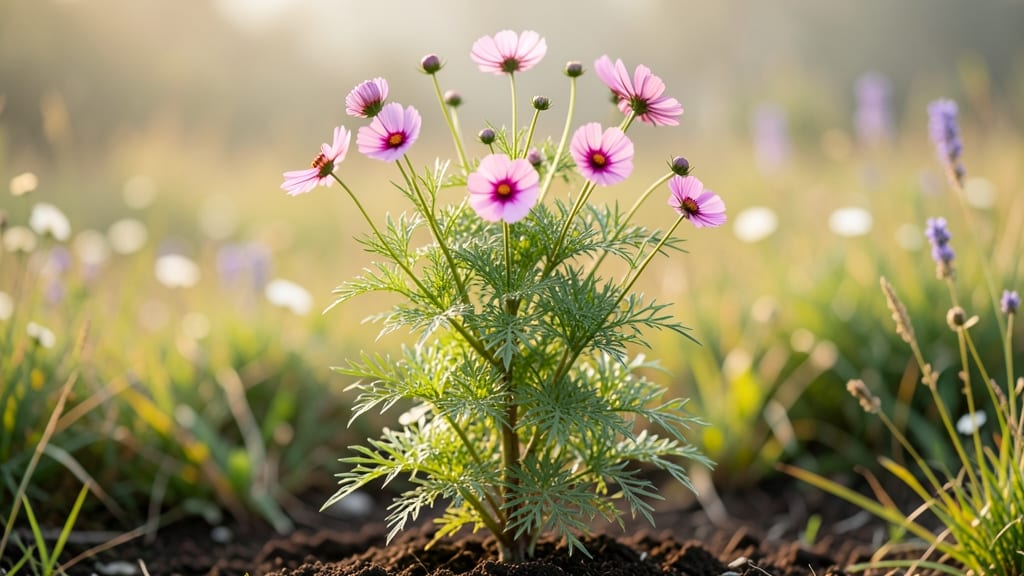
From cosmos seed to bloom takes about 6 to 10 weeks under ideal conditions, but timing can shift dramatically based on variety, climate, and a few key gardening moves.
Picture this: you’ve just tucked those delicate cosmos seeds into the soil in early spring, dreaming of a summer garden bursting with color.
Yet, if you’re not mindful of their growth rhythm—or your local frost dates—you might end up with a patch of green stems just as the first chill arrives. The good news?
With the right prep, you can shave weeks off that wait and enjoy those vibrant blooms 🌸 right when you want them.
Most cosmos varieties, like the beloved ‘Sensation’ or ‘Bright Lights,’ hit their first flowers in roughly 8 weeks from seed, but cooler climates or slower-growing types can stretch that to 10 weeks or more. The secret to beating the odds?
Start seeds indoors 4 to 6 weeks before your last frost date, then transplant them into the garden when soil warms to 60°F. This way, you’ll sidestep the delays that come with unpredictable spring weather.
In this guide, I’ll break down the exact weeks to bloom for popular cosmos types, share pro tips to speed up flowering, and help you avoid the pitfalls that turn your patient seeds into a summer flop. Ready to turn those 60-day dreams into real blooms?


Exact cosmos seed to bloom time by popular variety (weeks breakdown)
If you’ve ever wondered "When will my cosmos seeds finally bloom?", you’re not alone. Cosmos are famous for their low-maintenance charm, but their seed-to-bloom timeline varies wildly by variety and climate.
Knowing these details lets you plan your garden like a pro—whether you’re chasing early summer blooms or extending fall color. Let’s break down the exact weeks to bloom for five beloved cosmos varieties, plus how to adjust for your local growing conditions.
Most cosmos varieties follow a similar growth pattern: 5–7 days to germinate, 4–6 weeks to establish, and 6–10 weeks to first bloom. However, dwarf types like ‘Seashells’ bloom faster, while tall varieties like ‘Bright Lights’ take longer.
Cool climates can delay blooms by 2–4 weeks, while warm regions may see flowers 2–3 weeks earlier. The key? Planting timing and sunlight exposure make all the difference.
| Variety | Germination (Days) | Weeks to First Bloom (Warm Climate) | Weeks to First Bloom (Cool Climate) | Height (ft) | Bloom Duration |
|---|---|---|---|---|---|
| 'Bright Lights' | 5–7 | 8–10 weeks | 10–12 weeks | 4–6 | Summer–Fall |
| 'Sensation Mix' | 5–7 | 7–9 weeks | 9–11 weeks | 2–4 | Summer–Frost |
| 'Seashells' | 5–7 | 6–8 weeks | 8–10 weeks | 1–2 | Summer–Fall |
| 'Double Click' | 6–8 | 9–11 weeks | 11–13 weeks | 3–5 | Summer–Fall |
| 'Purity' | 5–7 | 7–9 weeks | 9–11 weeks | 3–4 | Summer–Frost |
From the table, you can see 'Seashells' is the fastest bloomer, often gracing your garden in just 6–8 weeks in warm climates. Meanwhile, 'Double Click'—with its double-layered blooms—takes the longest at 9–11 weeks.
If you’re in a cool climate (USDA Zones 3–5), add 2–4 extra weeks to these timelines. For example, planting 'Bright Lights' in Zone 4? Expect your first blooms around 10–12 weeks, not 8–10.
To speed up bloom time, start seeds indoors 4–6 weeks before your last frost date. Cosmos thrive in warm soil (60°F+), so wait until nighttime temps stay above 50°F.
If you’re in a short-season area, opt for dwarf varieties like ‘Seashells’ or ‘Purity’—they’ll reward you with blooms 2–3 weeks faster than tall types. Pro tip: Deadhead spent blooms to encourage nonstop flowering through fall!
Sunlight is another game-changer. Cosmos need 6+ hours of direct sun daily—any less, and you’ll see delayed or sparse blooms. In partial shade, blooms may take 1–2 extra weeks to appear. If your garden gets intense afternoon heat (common in Zones 8–
How to speed up cosmos bloom time: pro tips for faster flowers
If you're eager to see those cosmos blooms brighten your garden sooner rather than later, you're not alone. While cosmos are famously low-maintenance, a few science-backed tweaks can shave 2-4 weeks off their bloom time.
The secret lies in optimizing their growing conditions from day one—think sunlight, soil, and even who they're planted next to. Let's dive into the proven strategies that'll have your cosmos flowering faster than ever.
First, let's address the biggest cosmos bloom time myths. Many gardeners assume these plants will just "do their thing," but that's not entirely true. Over-fertilizing with nitrogen-heavy feeds, for example, can delay flowering by encouraging leafy growth instead of blooms.
Similarly, poor drainage or partial shade can stretch out the timeline significantly. The good news? With the right approach, you can create ideal conditions that push your cosmos to bloom in record time.
- 1
- 2
- 3
- 4
- 5
- 6
One of my favorite cosmos bloom time hacks is using companion planting strategically. I've found that pairing cosmos with basil or marigolds not only deters pests but also improves overall plant health.
The marigolds, in particular, release compounds that stimulate growth in nearby plants, which can shave off valuable days in the bloom timeline. Just avoid planting near fennel or dill, as their strong aromatics can inhibit cosmos growth.
Let's talk about watering techniques, because this is where many gardeners go wrong. Cosmos are famously drought-tolerant, but that doesn't mean you should neglect them entirely. The key is deep, infrequent watering.
I water mine once a week with about 1 inch of water per session, always in the early morning. This routine prevents shallow root development and encourages the plant to grow stronger, faster roots that support quicker blooming.
Finally, don't overlook the power of light optimization. If your garden doesn't get full sun, try these tricks: place your cosmos in the sunniest spot available, even if it's just for part of the day.
You can also use reflective surfaces like white gravel or a light-colored wall to bounce extra sunlight onto your plants. I've seen cosmos in partial shade bloom 2-3 weeks later than those in full sun, so maximizing light is worth the effort.
With these pro tips, you can expect your cosmos to bloom 2-4 weeks faster than average. The key is consistency—warm soil, full sun, proper drainage, and strategic care will work together to give you those vibrant blooms sooner than you thought possible. Happy gardening! 🌸