
Lawn
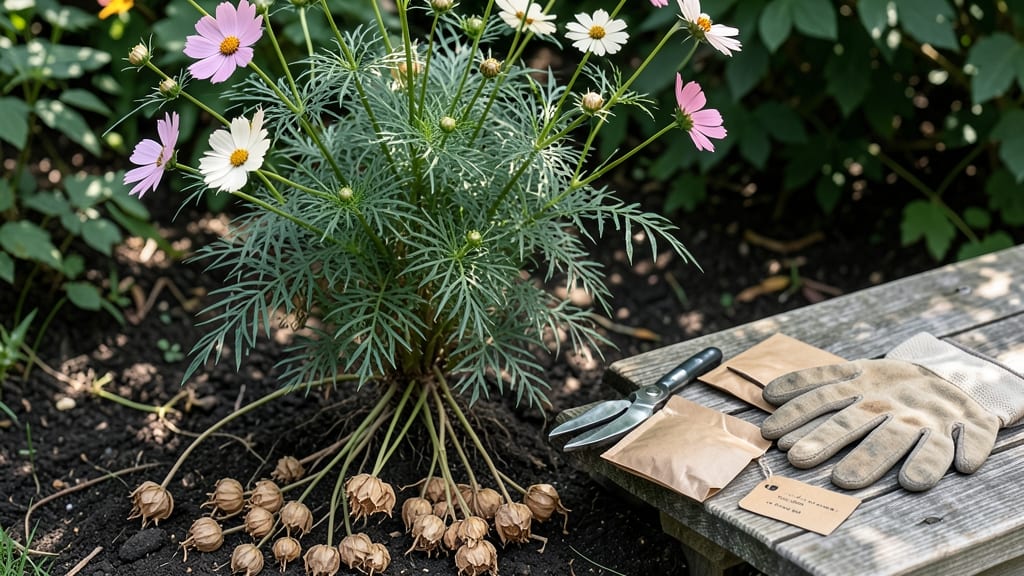
Cosmos seed collection is like saving sunshine for next spring—simple, rewarding, and full of potential. 🌻 The key is timing: wait until the seed heads turn from fluffy white to dry and papery brown, usually in late summer or early fall, when the blooms have faded but the stems remain sturdy. One wrong move, and you’ll end up with damp seeds that won’t last through storage. But get it right, and you’ll have a head start on next year’s garden with zero cost.
You’ll only need a few tools: a pair of clean scissors or pruners, a brown paper bag or envelope, and a dry, dark spot to store them. Harvest on a dry morning after the dew has evaporated—this prevents mold and ensures the seeds stay crisp.
Cut the entire seed head (about 2–3 inches long) and place it in your bag, leaving the stems attached. The extra length makes drying easier and keeps the seeds from scattering.
Drying takes about 2 weeks in a warm, dry place out of direct sunlight. Shake the bag occasionally to help the seeds release from the chaff. Once fully dry, rub the seed heads between your fingers to separate the seeds—what’s left should be tiny, dark brown, and lightweight.
Store them in an airtight container in the fridge, where they’ll stay viable for up to 3 years, ready to burst into color again when spring arrives.
Pro tip: Label your containers with the variety and year—cosmos seeds from different types (like ‘Bright Lights’ or ‘Sensation’) can look identical until they sprout. And if you’re impatient, you can even plant them fresh from the head in fall for a surprise winter bloom.
No fuss, just pure gardening magic.
📚 In This Guide
- What you need
- Instructions
- Tips and common mistakes
- Wrapping up and next steps
What you need
- ● Mature Cosmos flowers – Choose fully bloomed, seed-filled flowers (preferably Cosmos bipinnatus or Cosmos sulphureus). Harvest when the petals drop naturally or are slightly wilted.
- ● Sharp scissors or pruning shears – For cleanly cutting flower stems (sterilize with rubbing alcohol if reusing).
- ● Paper bags or brown lunch bags – 2–3 per batch of flowers (breathable material prevents moisture buildup).
- ● Newspaper or seed-starting trays – For drying seeds (avoid plastic; it traps humidity).
- ● Small envelopes or glass jars – 1–2 per flower type for long-term storage (label with the date and variety!).
- ○ Fine mesh sieve or tweezers – For separating seeds from chaff (optional but helpful).
- ● Desiccant packets – Place 1–2 in storage containers to absorb excess moisture.
- ● Permanent markers or labels – For tracking seed varieties and harvest years.
- ● Plastic zip-top bags – As a backup storage method (seal tightly after drying).
- ● Humidity indicator cards – To monitor storage conditions (aim for <30% humidity).
How to collect, dry, and store cosmos seeds for next season
Reviving your cosmos garden starts with saving these easy-to-collect seeds—here's my foolproof method.
🌱 Step 1: Identify and Harvest Mature Seed Pods
Wait until cosmos blooms fade and develop brown, papery seed pods that feel dry to the touch. These pods contain hundreds of tiny seeds—don't harvest too early, or they won't be viable. I like to collect pods on a dry, sunny morning when humidity is low, as damp pods can mold during storage.
Gently twist the dried seed heads between your fingers until they release their seeds. Hold a clean, dry bowl underneath to catch the seeds—cosmos seeds are lightweight and scatter easily. If pods resist, snip them with clean scissors and let them dry completely before opening. Wear gloves if you're sensitive to plant fibers, as cosmos can be slightly fuzzy.
🌿 Step 2: Clean and Dry the Seeds
Spread the collected seeds on a paper towel or clean screen in a warm, dry location with good airflow. I place mine on a cookie sheet under a fan for 3-5 days until completely dry—seeds should rattle when shaken in their container. Moisture is the enemy here; any lingering dampness causes mold that ruins seed viability.
Remove any debris or chaff by gently winnowing the seeds. Hold the paper towel over a bowl and blow lightly—clean seeds will fall straight down, while lighter debris stays airborne. Store only the clean, dry seeds in a labeled envelope or small glass jar for long-term preservation.
⏰ Step 3: Store Seeds in Optimal Conditions
Place your dried seeds in an airtight container—paper envelopes or small glass jars with tight lids work perfectly. I add a desiccant packet (like those in shoe boxes) to absorb any remaining moisture. Label the container with the variety name and harvest date, as cosmos seeds remain viable for 2-3 years when stored properly.
Store the container in a cool, dark place like a pantry or refrigerator. Avoid basements with fluctuating temperatures or humidity, as these conditions reduce seed longevity. Check the container every 6 months to ensure the desiccant is still effective—replace it if it feels damp.
🌱 Step 4: Test Seed Viability Before Next Planting
Before planting stored cosmos seeds, test their viability by placing 10 seeds on a damp paper towel in a sealed bag. Keep them in a warm, dark place for 5-7 days. If 70% or more of the seeds sprout, they're ready for planting. If fewer than half sprout, consider buying fresh seeds for better germination rates.
Sow viable seeds directly in the garden after the last frost or start them indoors 6-8 weeks before your first frost date. Cosmos seeds germinate quickly in warm soil, so don't plant them too early—wait until soil temperatures reach at least 60°F. Thin seedlings to 12-18 inches apart for full, vibrant blooms next season.
Tips & tricks for perfect cosmos seed preservation
Here's what I've learned after saving cosmos seeds for years—these little tricks make all the difference between seeds that sprout and seeds that fail.
Timing is Everything: Harvest those brown, papery seed pods only when they're completely dry and crisp to the touch. I can't stress this enough—wet pods will mold during storage, and you'll lose everything. If you're unsure, wait another day. The extra time is worth it for viable seeds that'll grow next season.
The Drying Process: Don't rush the 3-5 day drying time in Step 2. Place your seeds on a cookie sheet under a fan in a warm, dry spot. The fan creates consistent airflow that speeds up drying without heat damage. Test for dryness by shaking the seeds in their container—they should rattle like tiny marbles. If they stick together, they need more time.
Storage Wisdom: When storing your seeds in Step 3, always add a desiccant packet to your airtight container. I've seen seeds last for years with these, but without them, even slight humidity can reduce viability. Check your container every 6 months—replace the desiccant if it feels damp. A little effort now means vibrant cosmos blooms next year instead of disappointment.
Viability Test Trick: For the germination test in Step 4, use a clear plastic bag so you can see the seeds without opening it. Place the damp paper towel with seeds inside the bag, seal it, and lay it flat. After 5-7 days, you'll clearly see which seeds have sprouted. This visual method is foolproof and saves you from guessing.
Pro Tips for Cosmos Seed Collection
- Here's what I've learned after saving cosmos seeds for years—these little tricks make all the difference between seed...
- Timing is Everything: Harvest those brown, papery seed pods only when they're completely dry and crisp to the touch. ...
- The Drying Process: Don't rush the 3-5 day drying time in Step 2. Place your seeds on a cookie sheet under a fan in a...
Frequently asked questions
Got questions about saving cosmos seeds for next season? You’re not alone! Here are answers to the most common queries to help you master the process—from timing to troubleshooting.
When is the best time to collect cosmos seeds?
Harvest seeds when the cosmos flower heads turn brown and dry (usually late summer to early fall). Wait until the seed pods crack open naturally—this ensures full maturity. Avoid collecting too early, or the seeds may not germinate well. Pro tip: Check pods daily; they dry quickly!
How long can I store cosmos seeds before planting?
Cosmos seeds stay viable for 2–3 years if stored properly in a cool, dry place (like a sealed container in the fridge). For best results, plant them within 1–2 years. Troubleshooting tip: If germination is slow after 3+ years, try soaking seeds overnight to boost moisture.
Can I collect seeds from store-bought cosmos flowers?
Yes! Even hybrid or store-bought cosmos can produce seeds, though results may vary. For consistent blooms, save seeds from open-pollinated varieties. If unsure, ask the nursery—some hybrids are sterile. Alternative idea: Swap seeds with local gardeners for diverse varieties!
What if my cosmos seeds won’t germinate?
Try these fixes: Cold stratification (place seeds in the fridge for 2 weeks), ensure warm soil (70–75°F), and keep moisture consistent. Overcrowding or old seeds can also hinder growth. Quick fix: Lightly scratch the seed coat with sandpaper to break dormancy.
Do I need to clean seeds before storing them?
Not strictly necessary, but removing debris and chaff reduces mold risk. Gently rub dried flower heads over a bowl to separate seeds, then let them air-dry for 1–2 days. Store in a paper envelope (breathable!) with a moisture absorber like silica gel.
Wrapping up and next steps
Your journey to preserving cosmos seeds is now complete—you’re ready to bring next year’s vibrant blooms back to life! 🌱 By mastering the art of drying, storing, and reviving seeds, you’ve unlocked a simple yet rewarding way to extend your garden’s beauty without breaking the bank. Now’s the perfect time to put your knowledge into action: gather those dried seed pods, label your storage containers, and get excited for the fresh starts they’ll bring.
Ready to grow? Start small—plant a few seeds this spring and watch your garden flourish with the same bold, cheerful cosmos you’ve come to love! Happy gardening! 🌸