
Propagation
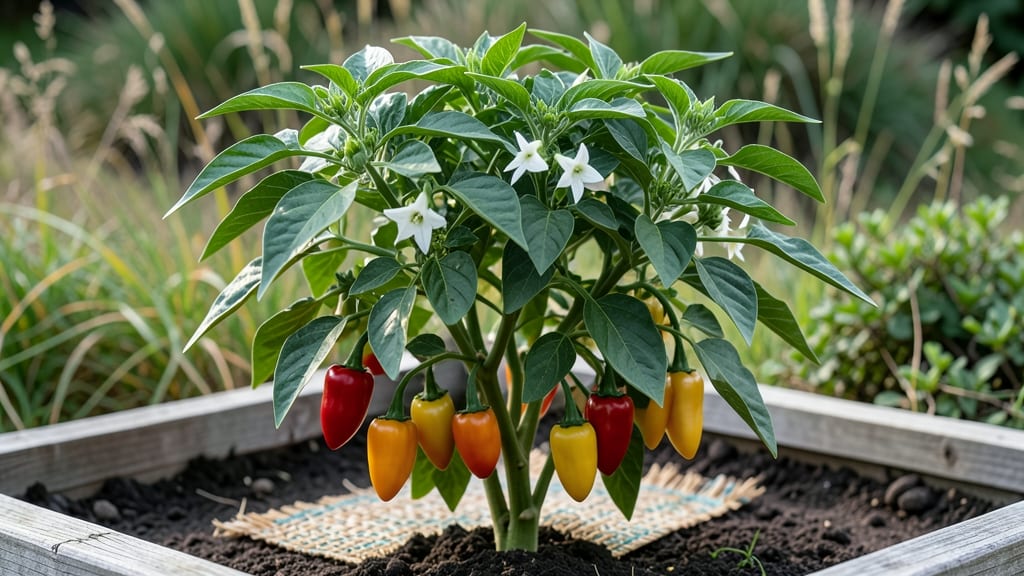
Charapita pepper seeds hold the key to fiery harvests that’ll make your mouth tingle—if you crack the germination code first. 🌱 I’ve battled slow starts with these peppers, and the secret isn’t fancy equipment but timing, heat, and patience.
These seeds need warmth to wake up, and without it, they’ll sit dormant for weeks like stubborn sleepers. The magic happens in a cozy, humid environment—think 75-85°F and moisture-wicking soil. A simple seed tray with a heating mat (or even a sunny windowsill) works wonders.
Plant them just ¼-inch deep, and within 10-14 days, you’ll see those first green shoots breaking through. No fancy tricks, just consistency. Once sprouted, these peppers grow fast—expect 3-4 inches per week under ideal conditions.
They crave sunlight, so move them to a sunny spot early, and feed them lightly with balanced fertilizer every 2-3 weeks. The payoff? Peppers that pack serious heat and a sweet, smoky flavor. Troubleshooting is easy: yellow leaves mean overwatering, stunted growth means too little light.
With the right setup, you’ll go from seed to harvest in 80-90 days, and your neighbors will beg for your secret.
📚 In This Guide
- What you need
- Instructions
- Tips and common mistakes
- Wrapping up and next steps
What you need
- ● Charapita pepper seeds – 5–10 seeds (or more, if you’re ambitious!)
- ● Seed-starting mix – 2–3 cups of sterile, well-draining potting soil (avoid garden soil—it’s too dense!)
- ● Seed trays or small pots – 2–4 biodegradable pots (2–3 inches deep) or a seed tray with cells
- ● Plastic wrap or humidity dome – To create a cozy, moist environment
- ● Spray bottle – For gentle watering (no drowning seeds here!)
- ● Grow lights or sunny windowsill – 6–8 hours of warmth (70–85°F) per day
- ● Heating mat – Speeds up germination (75–85°F is ideal!)
- ● pH meter or test kit – Keep soil pH between 6.0–6.8 for happy peppers
- ● Fertilizer (balanced, 10-10-10) – Light application after sprouts appear
- ● Support stakes or cages – For when your plants reach 12+ inches
How to germinate charapita pepper seeds for maximum success
Here's the foolproof method I've used to grow fiery charapita peppers—no guesswork, just reliable heat.
🌱 Step 1: Prepare Seeds for Faster Germination
Charapita seeds have tough outer shells that slow germination. Soak them in a bowl of lukewarm water for 12-24 hours to soften the coating. You'll see the seeds swell slightly—this is your signal they're ready. I like to use a fine mesh strainer so I can easily lift them out without losing any.
After soaking, spread the seeds on a clean paper towel and fold it to cover them. Place the towel in a sealed plastic bag to maintain humidity. Keep the bag in a warm spot (75-85°F)—I use the top of my fridge or a seedling heat mat. Check daily for moisture; mist lightly if the towel feels dry. Germination typically starts in 3-7 days.
💧 Step 2: Plant in Warm, Moist Soil
Fill small pots or seed trays with well-draining potting mix (I avoid garden soil—it's too dense and can cause rot). Moisten the soil until it's damp but not soggy. Plant seeds ½ inch deep, spacing them 1 inch apart in each pot. A single seed per cell works best—charapita seedlings don't like competition.
Gently press the soil around each seed to ensure good contact. Water lightly from the bottom of the tray to avoid displacing seeds. Cover the tray with plastic wrap or a humidity dome to trap warmth and moisture. Place the tray in a warm, dark spot—like a closet or under a heat lamp—until sprouts appear.
☀️ Step 3: Provide Bright Light After Germination
The moment you see tiny green sprouts (usually 5-10 days after planting), remove the cover immediately. Charapita seedlings need bright light (14-16 hours daily) to prevent leggy growth. A south-facing window works, but I supplement with a grow light kept 2-4 inches above the plants.
Watch for first true leaves (the second set after the initial seed leaves). This is your cue to start fertilizing lightly with a balanced liquid fertilizer (10-10-10) diluted to half strength. Overwatering now causes damping-off—keep soil lightly moist but never soggy. Thin weak seedlings to leave the strongest one per pot.
🌿 Step 4: Harden Off Before Transplanting
Two weeks before your last frost date, begin hardening off seedlings by placing them outside in a shaded, sheltered spot for 1-2 hours daily. Gradually increase exposure over 7-10 daysfull sun (6+ hours daily) and warm soil—ideal transplanting temperature is 70°F+.
Transplant after soil warms and night temps stay above 55°F. Bury seedlings slightly deeper than their original pot level—this encourages root growth. Space plants 18-24 inches apart in well-draining soil amended with compost. Water deeply at the base to settle roots, then let the soil dry slightly between waterings to prevent fungal issues.
Tips & tricks for perfect charapita pepper germination
Here's what nobody tells you about getting those fiery seeds to sprout reliably—these tricks cut germination time in half.
Soaking Secret: The 12-24 hour soak isn't just about softening the shell—it's your chance to test seed viability. Discard any seeds that float (they're empty) and sink but don't swell after 12 hours. I also add a drop of hydrogen peroxide to the water (just a few drops!) to prevent mold while soaking. This keeps your seeds healthy during that critical first step.
Temperature Matters: That 75-85°F range is non-negotiable for charapita seeds. If your home runs cooler, place the sealed bag on top of your refrigerator (not inside) or use a seedling heat mat set to low. I've seen germination times stretch to 14 days when seeds sat at 65°F instead of the ideal range. A simple digital thermometer ($5 at garden stores) lets you monitor the exact temperature your seeds experience.
Lighting Hack: When you spot those first sprouts in Step 3, don't rush to move them to bright light. Let them stay under the cover for 24 hours longer—they're still fragile and need that humidity shield. After removing the cover, position your grow light so it's just 2 inches above the seedlings at first. You can raise it gradually as they grow, but that initial close distance gives them the boost they need to develop sturdy stems.
Troubleshooting Tip: If your seedlings develop long, weak stems (called "legginess"), it's almost always a light issue. Charapita seedlings need that 14-16 hours of light daily—no exceptions. If your natural light isn't sufficient, supplement with a simple LED bulb on a timer. I've rescued many leggy seedlings by moving them under bright light for 18 hours a day until they catch up.
Pro Tips for Charapita Pepper Seeds
- Here's what nobody tells you about getting those fiery seeds to sprout reliably—these tricks cut germination time in half.
- Soaking Secret: The 12-24 hour soak isn't just about softening the shell—it's your chance to test seed viability.
- Temperature Matters: That 75-85°F range is non-negotiable for charapita seeds.
Frequently asked questions
How long does it take for charapita pepper seeds to germinate?
Charapita pepper seeds typically germinate in 10–21 days under ideal conditions (70–85°F, consistent moisture, and indirect light). Patience is key—some seeds may take longer, especially if stored improperly. Pro tip: Soak seeds in warm water for 24 hours before planting to speed up germination!
What’s the best temperature for germinating charapita seeds?
Keep soil between 75–85°F (24–29°C) for optimal germination. Use a seedling heat mat if your home runs cooler. Avoid extremes—below 60°F slows growth, while above 90°F can cause rot. Pro tip: Place trays near a sunny window or under grow lights to maintain warmth.
Can I grow charapita peppers from store-bought peppers?
Yes! Save seeds from ripe charapita peppers by fermenting them in water for 2–3 days, then drying and storing. However, hybrid peppers (like many grocery-store varieties) may not produce true-to-type offspring. For consistent results, buy heirloom or open-pollinated seeds from specialty suppliers.
Why aren’t my charapita seeds sprouting?
Common culprits: old seeds (test viability by floating in water—sinkers are good), dampness (overwatering causes rot), or cold soil. Try scarifying seeds (lightly nicking the shell) or using a fungicide spray if mold appears. Pro tip: Plant fresh seeds in batches every few days to stagger germination!
Do charapita peppers need full sun?
These heat-loving peppers thrive in 6–8+ hours of direct sunlight daily. In cooler climates, use grow lights or start seeds indoors 8–10 weeks before the last frost. Pro tip: Yellowing leaves? They’re begging for more sun or nutrients—adjust placement or fertilize!
Wrapping up and next steps
Growing charapita pepper seeds is an exciting journey into fiery flavors and vibrant harvests—especially when you unlock the secrets to fast, healthy germination! 🌱 With the right soil, warmth, and patience, you’ll soon be enjoying homegrown peppers packed with bold heat and versatility.
Whether you’re a spice enthusiast or a gardening newbie, these tips will set you up for success.
Ready to take the next step? Start small—plant a few seeds today and experiment with care techniques. Before you know it, your kitchen (and taste buds) will thank you for the fresh, fiery rewards! Happy growing!