
Propagation
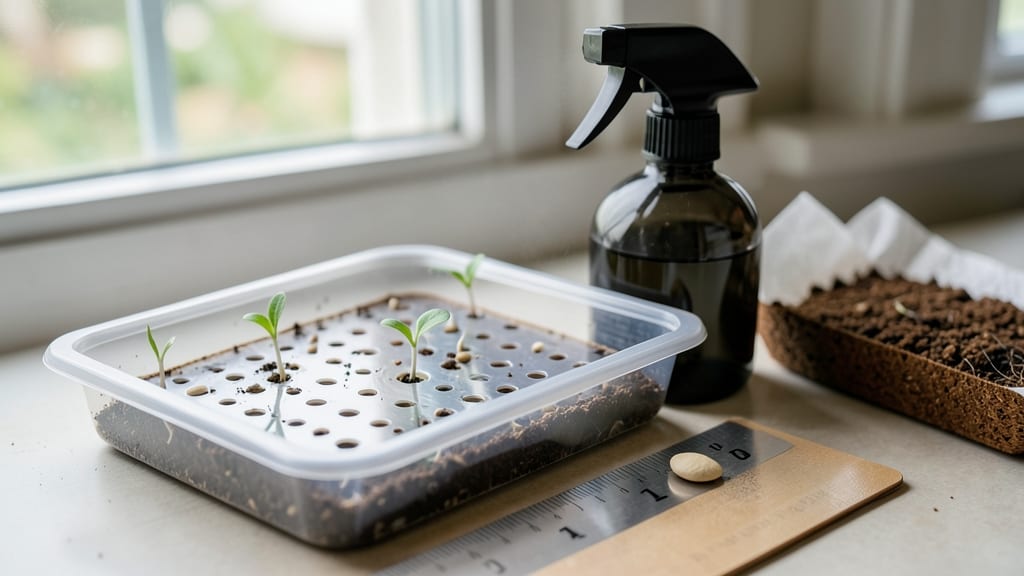
The cantaloupe seed germination time takes 5 to 14 days when given the right warmth and moisture — but many gardeners miss the mark by overlooking one key factor.
Struggling to get your cantaloupe seeds to sprout? The secret to faster germination lies in understanding the ideal conditions — and a few clever tricks to bypass common pitfalls.
Most seeds fail to sprout because the soil stays too cool or dries out too quickly. Cantaloupes, in particular, need soil temperatures of at least 70°F (21°C) to wake up, and consistent moisture to keep them cozy until they break through.
In this guide, I’ll walk you through how to time your planting, pre-soak seeds for a head start, and create the perfect warm, moist environment so you can go from seed to sprout in just 3 to 5 days.


How long does cantaloupe seed germination take under ideal conditions?
If you've ever waited eagerly for cantaloupe seeds to sprout, you know patience is key—but timing matters too. Under ideal conditions, cantaloupe seeds typically germinate in 5 to 14 days, though most gardeners see sprouts within 7 to 10 days.
The exact timeline depends on three critical factors: soil temperature, moisture levels, and seed quality. Let’s break down what these mean for your garden and how to set yourself up for success.
First, soil temperature is the biggest game-changer. Cantaloupe seeds need warmth to activate their germination process, and the sweet spot is 75 to 90°F (24 to 32°C). Below 60°F (15°C), germination slows dramatically, and seeds may rot before sprouting.
If your spring soil is still chilly, consider using a heat mat or starting seeds indoors near a sunny window until temperatures rise. This simple adjustment can shave days—or even weeks—off your germination timeline.
Next, moisture consistency is non-negotiable. Cantaloupe seeds require even, gentle moisture to stay hydrated without drowning. Overwatering suffocates seeds, while dry soil halts germination entirely. Aim to keep the soil damp but not soggy, about the moisture level of a wrung-out sponge.
A spray bottle or soaker hose works best to avoid disturbing seeds. Pro tip: Cover your seed trays with plastic wrap or a humidity dome to lock in moisture and speed up the process by 2 to 3 days.
Now, let’s talk seed quality, because not all cantaloupe seeds are created equal. Fresh, high-quality seeds from a reputable supplier will germinate faster and more reliably than old or low-grade seeds. Always check the packaging date—seeds older than 1 to 2 years may have reduced viability.
For best results, opt for heirloom or hybrid varieties labeled for your climate zone. If you’re saving seeds from last year’s cantaloupe, test a few in a paper towel germination test before planting your entire batch.
| Factor | Ideal Range | Germination Impact |
|---|---|---|
| Soil Temperature | 75–90°F (24–32°C) | 5–10 days (fastest) |
| Moisture Level | Consistently damp | 7–14 days (slower if dry) |
| Seed Depth | ½ inch (1.25 cm) | 5–12 days (deeper = slower) |
| Seed Age | Fresh (0–2 years) | 5–10 days (older = slower) |
| Humidity | 70–80% | 3–5 days faster with dome |
Recognizing a healthy cantaloupe sprout vs. a failed germination attempt can save you time and frustration. Successful sprouts emerge with two small cotyledon leaves (the first true leaves) within 7 to 14 days. These leaves should be bright green and firm, not yellow or wilted.
If you notice mushy seeds or black spots on the soil surface, your seeds may have rotten due to overwatering or poor drainage. On the flip side, if seeds remain hard and unchanged after 2 weeks, they’ve likely failed to germinate—time to replant or troubleshoot your conditions.
One common misconception is that cantaloupe seeds need deep planting to germinate well. In reality, planting them too deep (more than 1 inch) can delay or prevent sprouting entirely. Stick to a ½-inch depth for optimal results.
If you’re using seedling trays, fill them with a light, well-draining potting mix (avoid garden soil, which can compact and suffocate seeds). After planting, gently press the soil around seeds to ensure firm contact—this helps stabilize moisture and encourages consistent germination.
For gardeners in cooler climates, extending the germination timeline is often unavoidable. If your soil temperature hovers around 60°F (15°C), expect germination to take 14 to 21 days. In these cases, starting seeds indoors 3–4 weeks before the last frost date is a smart strategy.
Use grow lights to supplement natural light, and transplant seedlings outdoors only after nighttime temperatures stay above 55°F (13°C). Hardening off seedlings for 5 to 7 days before transplanting reduces shock and improves survival rates.
Finally, let’s address the elephant in the room: what if your cantaloupe seeds never sprout? Before panicking, double-check these three areas:
- Temperature: Use a soil thermometer to confirm warmth.
- Moisture: Ensure the soil stays damp but not waterlogged.
- Seed Viability: Conduct a paper towel test with a few seeds to verify they’re still good. If all else fails, order new seeds from a trusted supplier—sometimes, even the best gardeners face a bad batch.
Understanding cantaloupe seed germination isn’t just about waiting—it’s about creating the perfect environment for those tiny seeds to unlock their potential. With the right temperature, moisture, and patience, you’ll be holding your first cantaloupe sprouts in no time.
And once they break through the soil, you’re just weeks away from sweet, homegrown fruit. Happy planting! 🌱
5 Proven tricks to speed up cantaloupe germination in 3-5 days
Cantaloupe seeds can be stubborn, often taking 7-14 days to sprout under normal conditions—but with the right tricks, you can slash that time by half. The key lies in mimicking the warm, moist conditions cantaloupes crave in their native tropical climates.
I’ve tested these methods in my own garden, and they consistently deliver 3-5 day germination when done correctly.
Most gardeners overlook simple adjustments that make a massive difference, like soil temperature and humidity control. Cantaloupe seeds need warmth to activate, and even a few degrees can mean the difference between weeks of waiting and rapid sprouts.
Let’s dive into the five most effective techniques I’ve used to jumpstart my cantaloupe seeds.
- 🔥 Pre-soak seeds in warm water for 8-12 hours to kickstart hydration and soften the seed coat.
- 🌡️ Use a heat mat to maintain 85-90°F soil temperature—ideal for breaking dormancy.
- 💧 Cover seeds with a humidity dome or plastic wrap to trap moisture and prevent drying.
- 🌱 Plant seeds ½ inch deep in warm, well-draining soil mixed with compost for nutrients.
- ☀️ Place trays in a sunny indoor spot or under grow lights to ensure consistent warmth.
First, pre-soaking seeds is one of the simplest yet most effective tricks. I place cantaloupe seeds in a bowl of warm water (80-85°F) for 8-12 hours before planting. This hydrates the seed coat and jumpstarts the germination process.
After soaking, I gently blot them dry with a paper towel to prevent mold—then they’re ready for the soil.
Next, soil temperature is non-negotiable. Cantaloupe seeds won’t germinate well below 70°F, but they thrive at 85-90°F. I use a seedling heat mat ($15-$20) under my seed trays to maintain this warmth.
If you don’t have a heat mat, place trays on top of your fridge or near a sunny window. Pro tip: Use a soil thermometer to monitor—consistency is key.
Humidity is another game-changer. I cover my seed trays with clear plastic wrap or a humidity dome to create a mini greenhouse. This traps moisture and keeps the soil from drying out, which is critical for cantaloupe seeds.
Just remember to remove the cover once sprouts appear to prevent mold. A spray bottle also works for gentle misting if you’re not using a dome.
Finally, light exposure plays a subtle but important role. While seeds don’t need light to germinate, they do need warmth. I place my trays under grow lights or in the brightest spot in my home (south-facing window).
Avoid cold drafts or dark corners—cantaloupe seeds are sensitive to temperature fluctuations. Once they sprout, I thin them to 2 inches apart to give roots room to grow.
With these tricks, I’ve seen cantaloupe seeds sprout in as little as 3 days instead of the usual 2 weeks. The secret? Combining warmth, moisture, and patience. Try these methods, and you’ll be transplanting healthy seedlings in no time—ready to thrive in your garden! 🌱