
Companion Plants
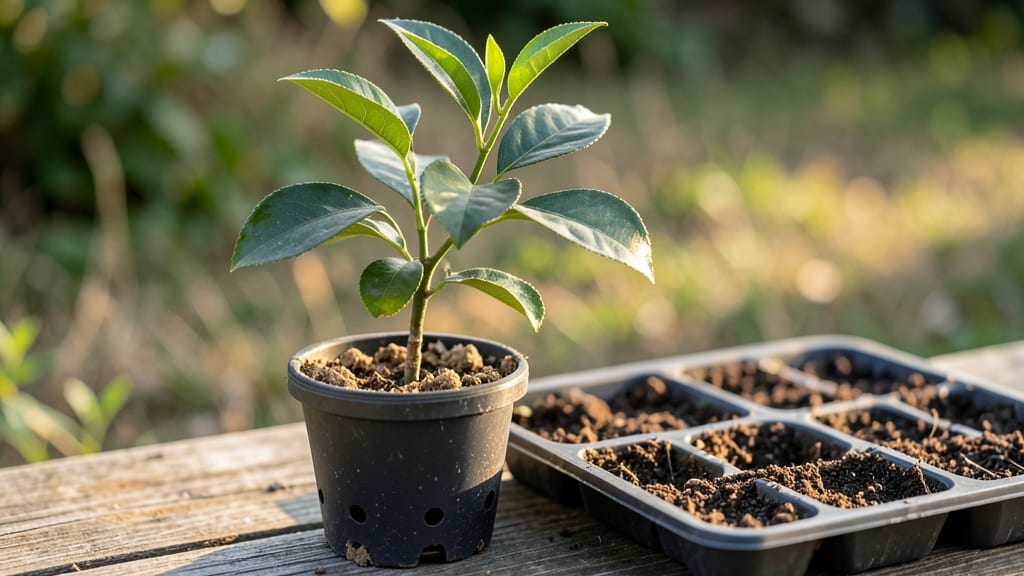
Growing an orange tree from an orange seed is absolutely possible, though the process demands years of patience—typically 5-13 years before you see fruit—and the resulting tree may not produce fruit identical to the parent orange you started with. To begin, simply dry the seed thoroughly, plant it in well-draining soil, and provide consistent warmth and sunlight while preparing for a slow but rewarding growth journey.
Growing from seed means you're essentially starting with a wild card—your tree might develop into a completely different citrus variety than the one you enjoyed. 🌱 The key to success lies in creating the right conditions: warm temperatures (around 70°F or higher), well-draining soil, and plenty of sunlight.
I've found that container gardening works well for seedlings, giving you control over soil quality and drainage while protecting young plants from harsh weather.
Just remember, even with perfect care, the fruit may not taste as sweet or be as juicy as store-bought varieties, but the satisfaction of nurturing a tree from seed to sapling is unmatched.
Once your seedling reaches about 6 inches tall, it's time to transplant it into a larger pot or garden bed.
This is where many gardeners make their first mistake—rushing the process or choosing the wrong location. 💚 Orange trees thrive in full sun, so a southern or western exposure in your yard is ideal.
If you're in a cooler climate, consider growing your tree in a container so you can move it indoors during winter months. Patience is your best friend here; it can take years before you see flowers, and even longer before fruit appears.
💡 In This Article
- Orange Seed Germination and Growth Timeline
- Step-by-Step Guide to Planting and Caring for Seed-Grown Orange Trees
Orange seed germination and growth timeline
The biological process begins when you plant that tiny orange seed, which contains an embryonic plant packed with nutrients to fuel its early growth.
Inside the seed, the embryo stays dormant until conditions are right—typically warmth (70-80°F) and moisture trigger enzymes that break down stored starches into sugars, providing energy for the seedling.
This process, called imbibition, causes the seed to swell as it absorbs water, activating cellular respiration that kickstarts root development within 2-4 weeks—though some seeds may take up to 6 weeks to sprout.
Once sprouted, your seedling will enter the cotyledon stage, where two small leaves (seed leaves) emerge to begin photosynthesis.
These leaves are crucial—they're the plant's first food source, converting sunlight into energy while the true leaves develop. 🌱 During this phase, growth is rapid but delicate; a single cold snap or overwatering can stunt progress.
By 6 months, your sapling may reach 1-2 feet tall, but it's still years away from flowering. The real magic happens in the juvenile phase (3-5 years), when the tree develops its first flowers—though only 10-20% of these will produce fruit.
Climate plays a massive role in this timeline. Orange trees are tropical/subtropical plants that thrive in USDA Zones 9-11, where winters stay above 25°F. In cooler regions, growth slows dramatically, and fruit production may never occur.
Sunlight is equally critical—6-8 hours of direct sun daily fuels photosynthesis, while insufficient light leads to leggy, weak growth. Even soil composition matters: citrus trees prefer slightly acidic, pH 6.0-7.0, well-draining soil rich in organic matter.
Without these conditions, your tree may survive but never reach its full potential.
The reason your seed-grown tree might not produce the same oranges you started with comes down to genetics. Most commercial oranges are hybrids (like Navel or Valencia) bred for specific traits—sweetness, size, or cold tolerance.
When you grow from seed, you're working with the plant's wild-type genetics, which can revert to ancestral traits like bitterness, smaller fruit, or even thorns.
For example, a seed from a sweet Valencia orange might grow into a sour orange (Citrus aurantium), recognizable by its tart flavor and fragrant blossoms.
Here's what's actually happening at the cellular level: when you plant a seed, you're activating meiosis in the plant's reproductive cycle, which shuffles genetic material randomly.
This is why seed-grown trees often produce seeds of their own that vary wildly—some may be edible, others inedible, and a few might even be seedy or overly bitter. The good news?
Even if the fruit isn't perfect, the tree itself will be hardy and disease-resistant, thanks to its wild ancestry. 💛
Consider this timeline for a seed-grown tree in ideal conditions:
- 0-4 weeks: Seed germination and first root/shoot emergence
- 4-12 months: Sapling stage (1-3 feet tall, developing true leaves)
- 3-5 years: Juvenile phase (flowering begins, but fruit is rare)
- 5-13 years: Mature stage (consistent fruit production, if conditions are right)