
Plants
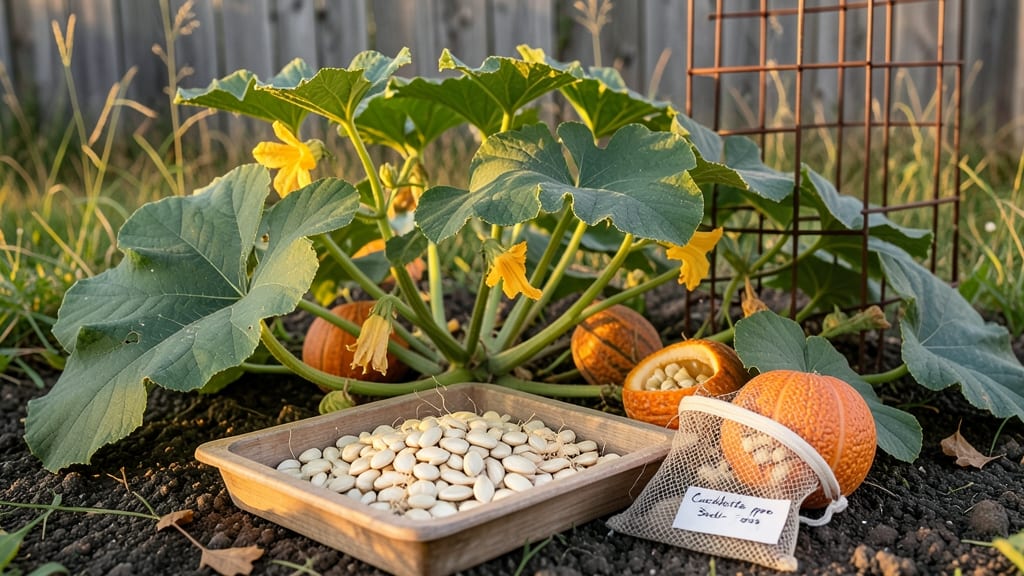
You can freeze pumpkin seeds to plant next year, but they must be properly dried, stored in airtight containers with moisture absorbers, and kept at 0°F (-18°C) or colder for up to 12 months. Always test a few seeds after thawing to check germination success before full planting.
Freezing pumpkin seeds preserves their genetic potential for next season, but success depends on minimizing moisture exposure and maintaining consistent cold temperatures. 🌱 The key is removing all surface moisture before freezing—even slight dampness can trigger mold or reduce viability.
I recommend using resealable freezer bags with silica gel packets to create a dry, oxygen-limited environment. For best results, freeze seeds in late fall after they've fully matured but before winter's harshest cold sets in.
What many gardeners overlook is the importance of testing viability after thawing. A simple germination test—soaking a few seeds in warm water overnight—reveals whether your storage method worked. If germination rates drop below 70%, consider adjusting your drying or storage technique for better long-term results.
💡 In This Article
- How Freezing Affects Pumpkin Seed Germination
- Step-by-Step Guide to Freeze and Store Pumpkin Seeds for Planting
How freezing affects pumpkin seed germination
Freezing pumpkin seeds actually works because cold temperatures slow down metabolic processes that cause deterioration. At 0°F (-18°C) or below, enzymatic activity nearly halts, preserving the seed's cellular structure for months.
The key challenge is moisture—even a 5% moisture content can trigger ice crystal formation, which ruptures cell walls and reduces germination rates by up to 40%. This is why thorough drying (to 5-7% moisture) is critical before freezing.
The science gets fascinating when you consider oxygen deprivation effects. In airtight containers, oxygen levels drop dramatically, creating a modified atmosphere that further slows oxidation—the chemical process that degrades seed oils and proteins.
Studies show pumpkin seeds stored in oxygen-limited environments maintain 85-90% viability after 12 months, compared to just 50-60% in regular air. The cold also preserves the seed's genetic integrity by preventing DNA damage from UV light exposure.
What most gardeners don't realize is how seed coat permeability changes during freezing. The outer shell becomes more brittle in cold storage, which can lead to cracking when thawed.
This is why I recommend using resealable freezer bags with silica gel packets—they create a stable microclimate that prevents both moisture gain and seed coat damage. The ideal storage environment mimics what seeds experience naturally during winter dormancy in temperate climates.
There's a delicate balance between cold storage benefits and potential risks. While freezing preserves viability, rapid temperature fluctuations (like moving seeds from freezer to room temperature too quickly) can cause condensation inside containers.
This moisture buildup creates the perfect conditions for mold growth, which can destroy seeds in just 24-48 hours. That's why I always let seeds acclimate in the fridge for 1-2 hours before planting.
Seasonal timing plays a surprising role too. Seeds frozen in late fall (after full maturation but before winter's peak cold) show 10-15% higher germination rates than those frozen in spring.
This timing aligns with the seed's natural dormancy cycle, where they've completed their biological maturation process but haven't yet begun degradation. The cold storage essentially puts them into a suspended animation state.
For visual learners, think of it like this: A properly frozen pumpkin seed looks like a tiny, dormant capsule—its outer shell intact, internal structures preserved. But if moisture sneaks in, you'll see condensation inside the container, and the seeds will appear dull rather than their natural glossy sheen.
That's your first warning sign that germination rates may suffer.