
How To
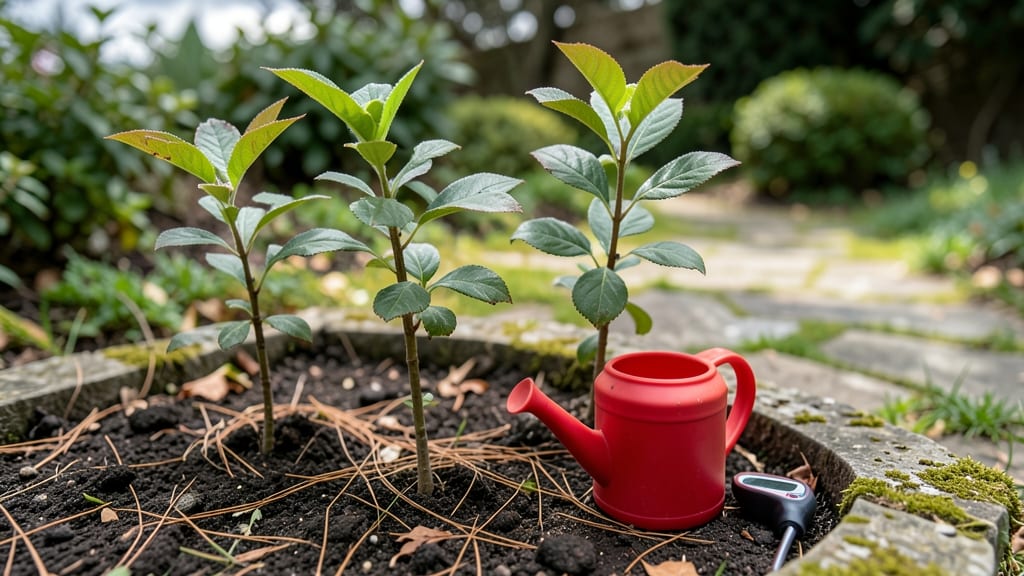
Brown tips on chestnut tree seedlings can feel like a death sentence, but I’ve nursed back more than my fair share of crispy-leaved young trees. 🌱 The good news? This is almost always fixable with a few targeted adjustments—no drama, just science-backed care.
Most cases boil down to watering, humidity, or hidden pests, and we’ll tackle each one step by step so you can see those leaves plump up again in days.
The first thing to rule out is watering whiplash—either too much or too little. Chestnut seedlings hate soggy roots and thirsty roots, so check the top inch of soil: if it’s bone-dry, water deeply until it drains from the bottom.
If it’s still damp after 24 hours, you’re overdoing it. Low humidity? A simple pebble tray or fine misting in the morning can work wonders, especially if your seedlings are near a heater or AC vent.
Once you’ve adjusted the water and air, inspect the leaves for subtle clues: webbing between branches? Spider mites. Tiny black specks? Sooty mold from aphids. Fungal spots? Prune the damaged tips immediately and treat with neem oil.
Most seedlings bounce back within 7-10 days once the root cause is addressed—just give them consistent care and watch that growth take off.
Still stumped? The key is patience and observation. Keep a journal of watering, light, and weather changes—it’s the only way to spot patterns. If the tips keep browning after two weeks of adjustments, it might be time to call in a local arborist, but trust me, you’ve got this.
Your seedlings are tougher than they look!
Root Causes Behind Leaf Damage
When your chestnut tree seedlings start showing brown tips on their leaves, it’s usually a sign that something’s off—whether it’s too much sun, not enough water, or even pests playing a sneaky role. Understanding the why behind these crispy edges is the first step to fixing the problem.
Below, we break down the most common culprits, backed by science, so you can diagnose and treat your seedlings like a pro.
Chestnut seedlings thrive in well-draining soil, but when they sit in soggy conditions, their roots struggle to breathe. Overwatering or compacted, waterlogged soil can lead to root rot, which starves the plant of oxygen and nutrients.
As a result, the leaves develop brown, wilted tips as the plant tries (and fails) to compensate.
- Signs: Yellowing leaves, mushy stems, or soil that smells sour.
- Why it happens: Excess moisture suffocates roots, disrupting nutrient uptake (especially calcium and magnesium).
- Actionable fix:
- Check soil moisture—stick your finger 1–2 inches deep; if damp, hold off on watering.
- Amend soil with perlite or sand (20–30%) to improve drainage.
- Ensure pots have drainage holes or plant seedlings in raised beds.
Chestnut seedlings are sun-loving but not heat-tolerant—especially when young. Intense afternoon sun or high temperatures can cause leaf scorch, where the edges dry out and turn brown. This is common in hot, dry climates or during summer heatwaves.
- Signs: Brown tips on exposed leaves, crispy texture, or wilting even when soil is moist.
- Why it happens: Direct sunlight increases transpiration (water loss) faster than roots can replace it, leading to dehydration.
- Actionable fix:
- Provide afternoon shade (use shade cloth or move seedlings to a sheltered spot).
- Water deeply early in the morning to reduce evaporation.
- Avoid fertilizing during heatwaves—it stresses the plant further.
Chestnut seedlings prefer moderate humidity (50–70%). In dry indoor environments or arid climates, the tips of leaves lose moisture faster than the plant can absorb it through the roots, leading to desiccation and brown edges.
- Signs: Brown tips on older leaves first, brittle texture, or curling edges.
- Why it happens: Low humidity increases evaporative stress, causing water to escape through leaf stomata (tiny pores) before roots can replenish it.
- Actionable fix:
- Mist seedlings daily (especially in dry climates) or use a pebble tray with water.
- Group seedlings together to create a microclimate with higher humidity.
- Use a humidifier if growing indoors.
Brown, crusty tips or spreading dark patches could signal a fungal or bacterial infection, like leaf spot or root rot. These pathogens thrive in wet conditions and weak seedlings, leading to tissue death.
- Signs:
- Brown tips with black or yellow speckles.
- Leaves dropping prematurely.
- Mushy stems or white mold on soil.
- Why it happens: Overwatering, poor airflow, or contaminated soil invites pathogens like Phytophthora or Botrytis.
- Actionable fix:
- Remove infected leaves and dispose of them (don’t compost!).
- Apply a copper fungicide or neem oil as a preventive spray.
- Improve airflow by spacing seedlings 6–12 inches apart.
Tiny pests like spider mites, aphids, or scale insects feed on leaf sap, causing dehydration and brown, crispy edges. Their saliva can also clog stomata, preventing proper gas exchange.
- Signs:
- Sticky residue (honeydew) on leaves.
- Webbing (spider mites) or tiny black dots (sooty mold from sap).
- New growth appears stunted.
- Why it happens: Pests pierce cells to feed, disrupting nutrient flow and causing oxidative stress in leaf tissues.
- Actionable fix:
- Spray seedlings with soapy water (1 tsp mild soap per quart of water).
- Introduce beneficial insects like ladybugs or lacewings.
- Use insecticidal soap for severe infestations.
💡 Pro Tip: Keep a plant journal to track watering, sunlight, and humidity changes. This helps you spot patterns and pinpoint the exact cause of those pesky brown tips!
Fixing Brown Tips on Young Chestnuts
Now that you know the likely culprits behind those unsightly brown tips on your chestnut tree seedlings, it’s time to roll up your sleeves and take action! 🌱💪 The good news? Most fixes are simple, cost-effective, and can be done in just a few steps.
Below, we’ll map out practical solutions tailored to the most common causes, plus prevention tips to keep your seedlings thriving long-term.
If your seedlings are sitting in soggy soil, their roots suffocate, leading to oxygen deprivation and those dreaded brown tips. Here’s how to fix it:
- 🍳 Check the Soil Moisture Stick your finger 1–2 inches deep into the soil. If it’s damp (not bone-dry but not soggy either), hold off on watering. Chestnut seedlings prefer well-draining soil—think of a wrung-out sponge, not a swamp.
- 👨🍳 Repot or Improve Drainage - For container-grown seedlings: Move them to pots with drainage holes (if they’re not already there). Add a layer of gravel or perlite at the bottom to prevent waterlogging. - For in-ground plantings: Amend the soil with compost or coarse sand to improve aeration.
Avoid heavy clay soils unless you’ve loosened them up.
- ⏰ Water Wisely - Morning is best: Water early in the day so excess moisture evaporates. - Bottom-watering trick: Place the pot in a tray of water for 10–15 minutes instead of top-watering.
This encourages roots to grow deeper and strengthens drought resistance. - Let the topsoil dry slightly between waterings—chestnut seedlings hate “wet feet.”
💡 Pro Tip: If your seedlings are in a humid climate, reduce watering frequency. Brown tips from overwatering often mimic fungal issues, so let the soil dry out before diagnosing further.
Chestnut seedlings can scorch in intense afternoon sun, especially in hot climates. Here’s how to protect them:
- 🌿 Provide Light Shade
- Use shade cloth (30–50%) or a lightweight row cover to filter harsh rays.
- DIY hack: Prop a white bedsheet or burlap over a frame near the seedlings for a few hours a day.
- 💦 Increase Humidity (Temporarily)
- Mist the leaves gently in the morning to simulate dew and reduce transpiration (water loss).
- Place a tray of water near the seedlings or use a pebble tray under the pot to add moisture to the air.
- 🎯 Gradual Sun Acclimation
- If seedlings were indoors or in shade, harden them off by moving them to partial sun for 1–2 hours daily, then slowly increase exposure over 1–2 weeks.
✨ Prevention Tip: Chestnut trees love dappled sunlight (like under a canopy). If planting outdoors, choose a spot with morning sun and afternoon shade for long-term health.
If brown tips spread quickly, paired with yellowing, spots, or slimy stems, a pathogen might be at play. Here’s how to tackle it:
- 🔪 Prune Affected Leaves
- Use sterilized scissors to snip off only the browned tips (not healthy tissue). Dispose of clippings in the trash (not compost).
- 🌿 Apply Fungicide or Baking Soda Spray - Store-bought option: Use a copper-based fungicide (like Bonide Copper Fungicide) or neem oil spray (follow label instructions). - DIY remedy: Mix 1 tsp baking soda + 1 quart water + a drop of dish soap.
Spray leaves every 7–10 days until new growth appears.
- 🌡️ Improve Airflow
- Space seedlings 6–12 inches apart to reduce humidity buildup.
- Avoid overhead watering—use a watering wand to direct streams to the soil.
💡 Pro Tip: If the issue persists, test the soil pH (ideal for chestnuts: 6.0–7.0). Acidic soil (below 5.5) weakens plants, making them susceptible to infections.
Brown tips can signal low nitrogen, potassium, or magnesium. Here’s how to diagnose and fix:
| Symptom | Likely Deficiency | Solution |
|---|---|---|
| Tips curl + brown edges | Nitrogen | Add balanced fertilizer (10-10-10) or compost tea every 4–6 weeks. |
| Yellow between veins | Magnesium | Sprinkle Epsom salt (1 tbsp/gallon water) on soil monthly. |
| Weak, stunted growth | Potassium | Use a potassium-rich fertilizer (like banana peel tea or greensand). |
💪 Quick Fix: For seedlings, dilute fish emulsion (1 tbsp/gallon) and water the soil weekly for a gentle nutrient boost.
Keep your chestnut seedlings happy with these easy maintenance habits:
- 🌱 Soil: Test and amend soil annually (chestnuts love loamy, slightly acidic soil).
- 💧 Water: Stick to a consistent schedule—better to underwater slightly than drown them.
- ☀️ Sun: Monitor leaf color—if tips brown only in direct sun, provide shade.
- 🍂 Prune: Remove brown tips early to prevent spread.
- 🛡️ Monitor: Inspect leaves weekly for pests (like spider mites) or new infections.
Final Thought: Most brown tips are fixable with minor adjustments! Start with soil drainage and sunlight, then move to nutrients or fungicides if needed. Your chestnut seedlings will bounce back with stronger, greener growth in no time. 🌿🚀
Frequently asked questions
Why do my chestnut seedlings get brown tips even when I water them regularly?
Brown tips often appear when seedlings aren't getting the right balance of water and humidity. Overwatering can suffocate roots, while underwatering causes dehydration. Check soil moisture by sticking your finger 1-2 inches deep—if it's damp but not soggy, you're likely overwatering. Try watering deeply in the morning and using a pebble tray to increase humidity around the seedlings.
Can I prune the brown tips off my chestnut seedlings?
Yes, you can and should prune brown tips to help the plant focus energy on healthy growth! Use clean, sterilized scissors to trim only the browned portions—never cut into green tissue. Dispose of the clippings in the trash (not compost) to prevent spreading potential fungal issues. Prune in the morning when the plant is dry to reduce infection risk.
How do I tell if my seedlings have a fungal infection vs. just dry tips?
Fungal infections typically show additional symptoms beyond just brown tips. Look for yellowing between leaf veins, black or yellow speckles on the brown areas, or white mold on the soil. If you see webbing (spider mites) or sticky residue (aphids), it's pest-related. For fungal issues, improve airflow by spacing plants 6-12 inches apart and apply copper fungicide or neem oil.
Will my chestnut seedlings recover if I fix the brown tips now?
Chestnut seedlings are resilient, and with proper care, they'll often bounce back within 7-14 days. Start by adjusting watering habits, improving drainage, and providing shade if needed. If the issue was nutrient-related, a light application of balanced fertilizer (10-10-10) can help. Monitor progress daily—you'll typically see new green growth emerging within a week if the root cause is addressed.
Can I use household items to fix brown tips instead of buying special products?
Yes! For humidity issues, mist leaves daily with water or place the pot on a tray of pebbles with water. For potential fungal problems, mix 1 tsp baking soda + 1 quart water + 1 drop dish soap and spray leaves every 7-10 days. For nutrient deficiencies, use Epsom salt (1 tbsp/gallon water) for magnesium or banana peel tea for potassium. These DIY solutions work well for mild cases.