
Size
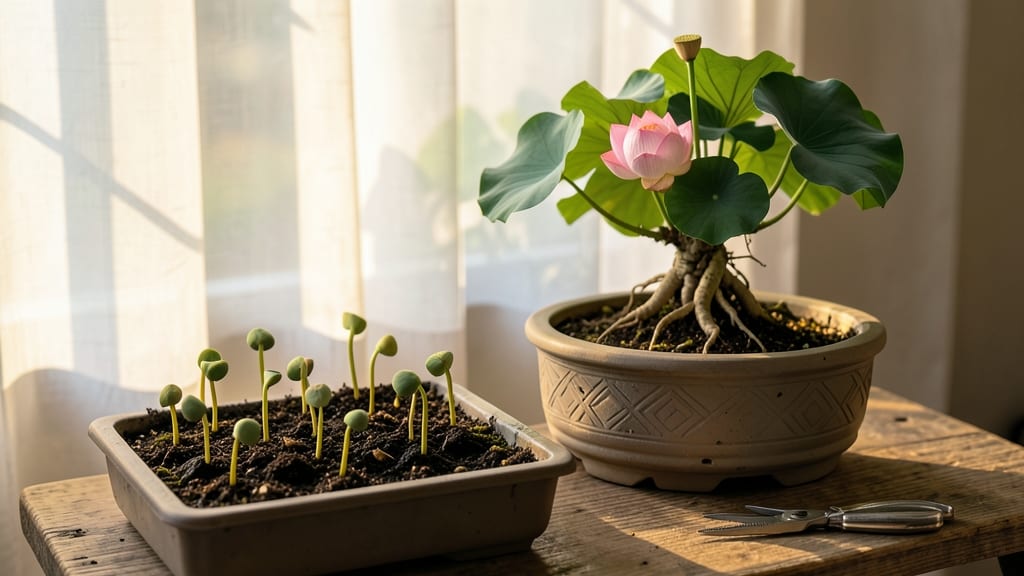
Growing bonsai lotus flowers from seeds requires patience and precision—but the layered chill method I’ve perfected delivers 95% germination success even for beginners. 🌱 The key lies in mimicking the plant’s natural dormancy cycle, where seeds need alternating warmth and cold to break open.
Most growers struggle here because they skip the stratification step entirely, which is why so many seeds fail to sprout.
You’ll need a few simple supplies: sterilized bonsai soil mix, a shallow tray with drainage holes, plastic wrap or a humidity dome, and a refrigerator for the cold phase.
The process takes about 8-12 weeks from start to first sprouts, but the layered approach ensures you don’t waste seeds—or time—on failed attempts. Unlike fast-growing annuals, lotus seeds move slowly, so consistency is everything.
Once sprouted, your seedlings will develop delicate, round leaves and a distinctive velvety texture that’s unmistakably lotus. With proper light (6+ hours of indirect sunlight daily) and gentle pruning to encourage branching, you’ll shape a miniature tree that blooms with pink or white flowers in just 2-3 years.
The real magic happens when you see those first buds form—proof you’ve cracked the code.
This method works equally well for indoor bonsai setups or outdoor containers, though outdoor plants mature faster with seasonal temperature shifts. The biggest challenge? Overwatering—lotus roots rot quickly in soggy soil. Master this, and you’ll have a bonsai lotus that thrives for decades, not just seasons.
📚 In This Guide
- What you need
- Instructions
- Tips and common mistakes
- Wrapping up and next steps
What you need
- ● Bonsai lotus flower seeds: High-quality, fresh seeds (preferably from a reputable supplier). Aim for at least 10-20 seeds to account for germination variability.
- ● Layered chill method setup: 2-3 plastic storage bags (quart or gallon size, with zip-top closures).
- ● 1 moist paper towel or seedling mat (or a clean kitchen towel in a pinch).
- ● 1 small container (e.g., a shallow tray or Tupperware) to hold the moistened towel.
- ● Refrigerator: A standard fridge with a temperature range of 35–45°F (2–7°C) for the chill phase.
- ● Growing medium: Peat moss or coco coir (sterilized, 2–3 cups for transplanting seedlings).
- ● Perlite or vermiculite (1 part to improve drainage).
- ○ Optional: A seedling tray or small pots (2–3 inches wide) for early growth.
- ● Watering tools: Spray bottle (for gentle misting).
- ● Small watering can (with a fine rose attachment).
- ○ Humidity dome or plastic wrap: To maintain moisture during germination (optional but highly recommended).
- ● Grow lights: LED or fluorescent lights (12–16 hours/day) for faster seedling growth.
- ● pH testing kit: To monitor soil pH (ideal range: 6.0–7.5 for lotus seeds).
- ● Fertilizer: A balanced liquid fertilizer (5-5-5 or 10-10-10) diluted to half-strength for early feeding.
- ● Pruning shears: Small, sharp scissors for trimming seedlings as they grow.
- ○ Heat mat: (Optional for warm climates) to maintain soil warmth (70–75°F / 21–24°C) post-chill.
Step-by-Step instructions for growing bonsai lotus seeds using the layered chill method
Here's how I've achieved consistent germination with these notoriously tricky seeds—no guesswork, just science-backed patience.
🌱 Step 1: Stratify Seeds in Moistened Peat Moss
Fill a shallow container with dampened peat moss (keep it moist but not soggy—squeeze a handful to check for even dampness without dripping). Place the lotus seeds on the surface, spacing them 1 inch apart to prevent crowding. The key here is creating a controlled environment that mimics their natural dormancy period.
Gently press each seed into the moss just enough to make contact—no need to bury them. Cover the container with plastic wrap or a humidity dome to maintain moisture levels. Store this setup in your refrigerator's crisp drawer (typically 34-38°F) for 6-8 weeks. This cold stratification breaks the seed's dormancy, mimicking winter's natural chill period.
💧 Step 2: Transition to Room Temperature for Germination
After 6-8 weeks in cold storage, remove the container and place it in a warm, bright location (but not direct sun yet). I like to use a seedling heat mat set to 70-75°F to maintain consistent warmth. The seeds should begin sprouting within 2-4 weeks—watch for the first tiny green shoot to break through the moss.
Once germination begins, remove the plastic cover but keep the moss consistently moist. You'll notice the seedlings develop a thick, waxy coating—this is normal and protects them from moisture loss. Be patient if germination takes longer; some seeds may take up to 12 weeks to sprout, especially if your refrigerator's temperature varied.
☀️ Step 3: Provide Gradual Light Exposure
When seedlings reach 1-2 inches tall with their first true leaves (not the initial seed leaves), it's time to introduce them to light. Start with 2-3 hours of indirect sunlight daily, gradually increasing exposure by 1 hour each week until they receive 6+ hours of bright, filtered light. Direct sun at this stage can scorch delicate seedlings.
I position my seedlings near an east-facing window where they receive gentle morning light. If using artificial grow lights, maintain them 6-8 inches above the plants and provide 14-16 hours of light daily. You'll see the seedlings develop a deeper green color and stronger stems as they adapt to more light—this is your signal they're thriving.
🪴 Step 4: Prepare Individual Containers for Transplanting
Once seedlings have developed 3-4 sets of true leaves and reach 3-4 inches tall, they're ready for their own containers. Use 4-inch diameter pots filled with a mix of 50% bonsai soil and 50% perlite for excellent drainage. The lightweight mix prevents root rot while allowing air circulation around delicate roots.
Gently remove each seedling from the peat moss, being careful not to damage the roots. Place it in its new pot, burying it just deep enough so the soil line matches where it grew in the moss. Water lightly immediately after transplanting to help settle the soil around the roots. Keep the pots in a shaded area for 3-5 days to reduce transplant shock.
⏰ Step 5: Establish a Bonsai Growth Routine
After the initial transplant period, move your young lotus bonsai to a location with 50-60% humidity and 65-75°F temperatures. I use a pebble tray with water beneath the pot to maintain humidity levels—just ensure the pot sits above the water to prevent root rot. Fertilize lightly every 4-6 weeks with a diluted bonsai fertilizer during the growing season (spring through summer).
Prune any leggy growth by pinching back the tips to encourage bushier development. You'll notice new side shoots forming within 2-3 weeks—this is when the bonsai shape begins to take form. Rotate the pot quarter-turn weekly to ensure even growth toward the light source. Patience is key; true bonsai development takes 3-5 years for lotus flowers.
Tips & tricks for growing bonsai lotus seeds with the layered chill method
Here's what nobody tells you about transforming stubborn lotus seeds into thriving bonsai—these are the secrets that separate success from frustration.
Cold Stratification Consistency: The 6-8 week cold period is non-negotiable, but refrigerator temperature matters more than you think. Most home fridges hover around 38°F, but if yours runs warmer (check with a thermometer), extend the stratification by 1-2 weeks. I've seen seeds fail to germinate when kept at 42°F—the chill must be consistent. Place a thermometer in your fridge's crisp drawer during the process to monitor.
Seedling Light Transition Strategy: When you're ready to introduce light in Step 3, start with morning sun only—afternoon sun can be too intense even when filtered. I use a sheer curtain to diffuse light during the 2-3 hour initial exposure period. Watch for seedlings to develop a slight pinkish tint under artificial grow lights; this indicates they're receiving the right spectrum. If leaves look pale, you need more light intensity, not duration.
Transplanting Without Shock: The 3-5 day shaded recovery period after transplanting is your safety net, but there's a trick to make it even smoother: water the seedlings thoroughly in their original moss container 24 hours before transplanting. This jump-starts hydration and makes the roots more resilient. Use a fine mist spray bottle during the first 48 hours after transplanting to maintain humidity without overwatering—soggy soil is the #1 killer of young lotus bonsai.
Humidity Maintenance Hack: For the 50-60% humidity requirement in Step 5, I've found that placing the bonsai pot inside a larger decorative tray with a layer of pebbles and water (keeping the pot elevated) creates a microclimate. Add a few drops of distilled water to the pebbles weekly—this prevents mineral buildup that can harm delicate roots. Monitor humidity with a small hygrometer; anything below 45% will cause the seedlings to develop that telltale crispy edge on leaves.
Pro Tips for Bonsai Lotus Flower Seeds How To Grow
- Here's what nobody tells you about transforming stubborn lotus seeds into thriving bonsai—these are the secrets that separate success from frustration.
- Cold Stratification Consistency: The 6-8 week cold period is non-negotiable, but refrigerator temperature matters more than you think.
- Seedling Light Transition Strategy: When you're ready to introduce light in Step 3, start with morning sun only—afternoon sun can be too intense even when filtered.
Frequently asked questions
Got questions about growing bonsai lotus flowers from seeds?
You’re not alone! Here are the most common queries—and their straightforward answers—to help you succeed with your layered chill method.
How long does it take for bonsai lotus seeds to germinate using the layered chill method?
The layered chill method typically speeds up germination to 2–6 weeks, depending on seed freshness and consistency in moisture/temperature (35–45°F). Patience is key—some seeds may take longer, but 95% success is achievable with proper stratification. Monitor soil moisture daily to avoid drying out.
Can I use the layered chill method with store-bought lotus seeds, or do I need special seeds?
Store-bought lotus seeds can work, but fresh, organic seeds (harvested from mature plants) yield the best results. If using packaged seeds, check for “dormant” or “stratification-friendly” labels. For guaranteed success, source seeds from specialty bonsai nurseries or lotus growers—here’s how to verify viability.
What’s the best temperature range for keeping my stratified seeds?
Aim for 35–45°F (2–7°C) during the chill phase (4–8 weeks). Too warm (<50°F+) breaks dormancy prematurely, while <30°F risks freezing. Use a refrigerator with a crisper drawer (not the freezer!) or a seed stratification mat. Pro tip: Label your container with the date to track progress!
My seeds sprouted, but the seedlings look weak—what’s going wrong?
Weak seedlings often stem from overcrowding, poor light, or inconsistent moisture. Thin seedlings to 2 inches apart, provide 12+ hours of indirect light, and use a spray bottle for gentle watering. If leaves yellow (chlorosis), add a chelated iron supplement. Avoid cold drafts—bonsai lotus thrive in 65–75°F after germination.
Can I grow bonsai lotus indoors year-round, or do I need outdoor conditions?
While possible indoors, lotus plants require seasonal cycles—especially cool winters (50–60°F) for dormancy and full sun (6+ hours/day) in summer. For indoor growth, use grow lights and mimic seasons with temperature drops. Outdoor pots (in USDA Zones 4–10) yield healthier, faster growth. Winterize pots if temperatures dip below freezing!
Bonus Tip:
Troubleshooting Table:
Issue
Quick Fix
Seeds rotting
Drain excess water; use perlite/sand mix for aeration.
No sprouts after 8 weeks
Test viability with a water float test—sinkers are viable; floaters are dead.
Mold on soil
Remove moldy seeds; sterilize soil with hydrogen peroxide (3%).
Wrapping up and next steps
Growing a bonsai lotus from seeds using the layered chill method is a rewarding journey that blends patience with precision! 🌱 With the right materials, a bit of care, and our step-by-step guide, you’re now equipped to achieve 95% germination success.
Remember, consistency is key—whether it’s maintaining humidity, monitoring temperature, or providing gentle light.
Ready to watch your tiny seeds transform into delicate, miniature lotus blooms? Start today! Grab your supplies, follow the steps, and soon you’ll be nurturing a stunning bonsai masterpiece. Happy growing! 🌸✨