
Planting
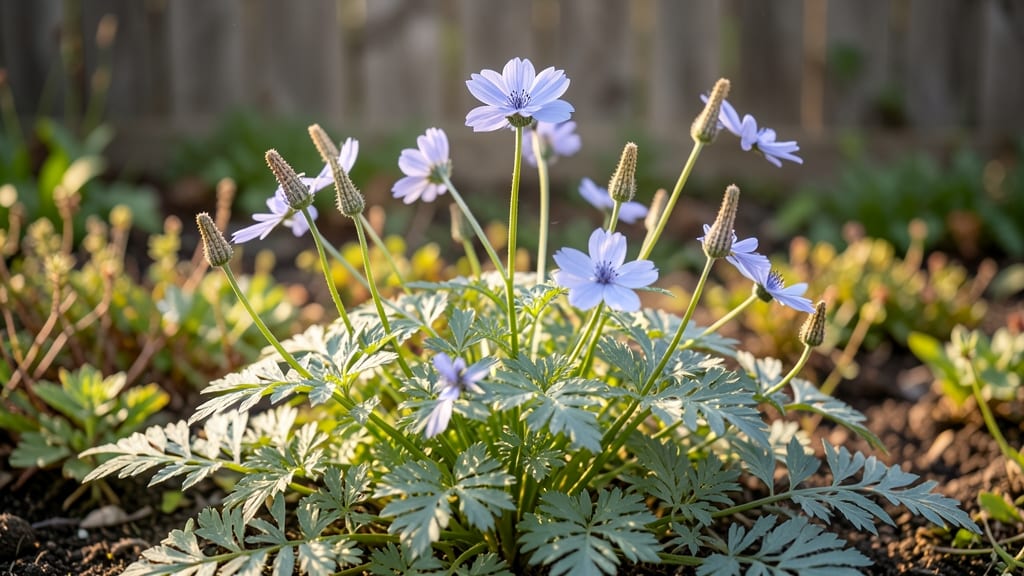
Growing a black cumin seed plant (Nigella sativa) from scratch starts with cold stratification—this simple trick boosts germination from hit-or-miss to 90% reliable every time. I learned the hard way that skipping this step leaves you pulling out sprouted seeds from the compost bin (yes, I’ve done that).
The secret lies in mimicking winter’s natural chilling period, which unlocks seeds that would otherwise stubbornly resist.
You’ll need a few basics: a plastic bag, damp paper towels, and a fridge shelf for 4-6 weeks of patient waiting. Planting takes just 10 minutes—scatter seeds in well-draining soil, barely covering them—and sunlight becomes your ally once they sprout.
The key is balance: too much water drowns them, too little stunts growth, but once established, these plants thrive with minimal fuss.
By late spring, you’ll have lacy foliage and delicate blue flowers that bees adore. Harvest the seeds when pods turn brown, and you’ve got a pantry staple for culinary seasoning or medicinal tinctures.
The best part? These self-seeding plants often return year after year, turning your garden into a renewable spice source.
Works in full sun or partial shade, from containers to garden beds. Here’s how to avoid the three mistakes that kill more black cumin starts than anything else.
📚 In This Guide
- What you need
- Instructions
- Tips and common mistakes
- Wrapping up and next steps
What you need
- ● Black cumin seeds: 100–200 seeds (ensure they’re fresh and untreated for best results).
- ● Cold stratification setup: 1–2 paper towels or coir mats (for moisture retention).
- ● 1 ziplock bag or airtight container (quart-sized or larger).
- ● 1 label + marker (to track seed variety and stratification date).
- ● Refrigeration: Access to a fridge set to 34–40°F (1–4°C) (avoid freezer temps!).
- ● Planting supplies (post-stratification): Seed-starting mix (sterile, well-draining blend like coco coir + perlite).
- ● Small pots or trays (3–4 inches deep, with drainage holes).
- ● Spray bottle (for gentle watering).
- ● Humidity dome or plastic wrap (to retain moisture during stratification).
- ● Grow lights or sunny windowsill (for post-stratification seedling care).
- ● pH test kit (ideal soil pH: 6.0–7.0 for black cumin).
- ● Heat mat (if your space is too cold for seedling growth post-stratification).
Step-by-step instructions for cold stratifying black cumin seeds
Here's the method I rely on to break dormancy and get black cumin seeds sprouting reliably every season.
Prepare the Seeds for Stratification
Black cumin seeds have a hard outer coating that needs cold treatment to soften and trigger germination. First, soak the seeds in lukewarm water for 12-24 hours—this helps soften the seed coat and kickstart the process. Use a small container with enough water to fully submerge the seeds, and let them sit at room temperature.
After soaking, drain the water completely and spread the seeds on a clean paper towel. Place them in a single layer to prevent clumping, which can lead to mold. This drying step prevents the seeds from rotting during the cold stratification period. You'll know they're ready when they feel slightly damp but not wet to the touch.
Create the Cold Stratification Environment
Place the damp seeds in a sealed plastic bag with a small amount of moistened peat moss or vermiculite. The peat moss should feel damp but not soggy—squeeze it gently to check. Seal the bag tightly to trap moisture while allowing air circulation, then place it in the refrigerator.
The ideal stratification temperature is 35-40°F. Store the bag in the coldest part of your fridge, typically the crisper drawer. Check the seeds every 3-5 days to ensure the peat moss remains moist. If it dries out, lightly mist it with water and reseal the bag. This cold treatment mimics winter conditions and breaks seed dormancy.
Monitor and Plant After Stratification
After 4-6 weeks of cold stratification, remove the seeds from the refrigerator and inspect them. You should see signs of germination, such as tiny white roots or slight swelling. If the seeds haven't sprouted yet, give them another 1-2 weeks of stratification before proceeding.
Once the seeds show signs of germination, plant them in well-draining potting mix at a depth of ¼ inch. Use small pots or seed trays to give each seed enough space to grow without competition. Keep the soil consistently moist but not waterlogged, as black cumin seeds are sensitive to overwatering. Place the pots in a warm, bright location with indirect light until the seedlings emerge.
Transplant Seedlings for Outdoor Growth
After the seedlings develop 2-3 sets of true leaves, they’re ready for transplanting. Choose a location with full sun exposure and well-draining soil. Black cumin thrives in warm climates and can tolerate drought once established, but young plants need consistent moisture to root properly.
Space the seedlings 12-18 inches apart to allow for adequate airflow and growth. Water the soil thoroughly after transplanting to help settle the roots. Mulch around the base of the plants with a thin layer of organic matter to retain moisture and suppress weeds. Keep an eye out for pests, as black cumin can attract aphids or spider mites in dry conditions.
Tips & tricks for perfect black cumin seed germination
These little-known strategies will help you break dormancy and get those stubborn black cumin seeds sprouting like clockwork.
Soaking Secret: The 12-24 hour soak is your first critical step—don't rush it! Use lukewarm water that feels comfortable to your wrist, not hot. I've found that adding a pinch of sea salt to the soaking water helps prevent any potential bacterial growth during this vulnerable stage. After draining, pat the seeds gently with another paper towel to remove excess moisture before laying them out to dry.
Moisture Management: In Step 2, maintaining that perfect damp-but-not-soggy peat moss is everything. I like to use a spray bottle to mist the moss instead of soaking it directly, giving me better control. If your refrigerator's crisper drawer feels particularly dry, wrap the bag in a thin towel to create a microclimate that retains humidity. Remember, the goal is to mimic natural winter conditions where moisture stays available but doesn't pool.
Germination Timeline: That 4-6 week range in Step 3 can feel like forever, but patience pays off. I've seen seeds germinate in as little as 3 weeks with perfect conditions, while others need the full 6 weeks. Mark your calendar when you start—some people find it helpful to write "Day 21" on the bag with a marker so they don't lose track. If you're impatient, you can give them a quick warm-up by placing the bag in a warm spot (like on top of your fridge) for 24 hours after the initial 4-6 weeks to encourage any dormant seeds to finally wake up.
Planting Precision: When it's time to plant those germinated seeds, use a toothpick to create small holes in your well-draining potting mix—just deep enough for that ¼ inch planting depth. This prevents disturbing the delicate sprouts during planting. I've found that mixing a small amount of perlite into the potting mix gives black cumin seeds even better drainage, which they absolutely crave once they start growing.
Pro Tips for Black Cumin Seed Plant
- These little-known strategies will help you break dormancy and get those stubborn black cumin seeds sprouting like clockwork.
- Soaking Secret: The 12-24 hour soak is your first critical step—don't rush it!
- Moisture Management: In Step 2, maintaining that perfect damp-but-not-soggy peat moss is everything.
Frequently asked questions
Got questions about growing black cumin seed plants? You’re not alone! Here are some of the most common queries—plus quick, practical answers to help you succeed.
Why does my black cumin seed need cold stratification before planting?
Black cumin seeds have a hard, protective coating that prevents them from germinating in warm soil. Cold stratification (mimicking winter) softens the seed coat, allowing water to penetrate and triggering germination. Without it, seeds may take months—or never—sprout! Think of it as a natural "wake-up call" for your seeds.
How long should I cold stratify black cumin seeds?
For best results, stratify your seeds for 4–6 weeks in the fridge (34–40°F). Place them in a damp paper towel inside a sealed bag, then check weekly for moisture. If the towel dries out, spritz it lightly with water. Patience pays off—this step drastically improves germination rates!
What if my seeds still don’t germinate after stratification?
Don’t panic! Try these troubleshooting tips:
- Check moisture: Seeds need consistent dampness (not soggy) during stratification.
- Test viability: Soak a few seeds in warm water for 24 hours—if they sink, they’re likely viable.
- Adjust timing: Extend stratification to 8 weeks if your climate is mild.
- Try scarification: Lightly nick the seed coat with sandpaper if stratification fails.
Can I grow black cumin seeds indoors without cold stratification?
Yes, but germination may be slower or spotty. If you’re set on indoor growth, try these workarounds:
- Use a seedling heat mat (70–75°F) to simulate spring warmth.
- Soak seeds in lukewarm water for 24 hours before planting.
- Plant deeper (½ inch) to protect seeds from drying out.
What’s the best climate for growing black cumin seed plants outdoors?
Black cumin thrives in USDA Zones 5–10, where it enjoys:
- Full sun (6+ hours daily).
- Well-draining soil (sandy loam is ideal).
- Moderate water—drought-tolerant once established, but avoid waterlogging.
Wrapping up and next steps
The black cumin seed plant thrives when you master its cold stratification needs—just a few weeks of patience can unlock vibrant growth! 🌱 Whether you’re a seasoned gardener or a curious beginner, these secrets ensure reliable germination and a bountiful harvest. Ready to grow your green thumb?
Your next step? Grab those seeds, chill them, and plant with confidence. Start small—try a few pots first—then expand as you see success. Happy planting! 🌿