
Lawn
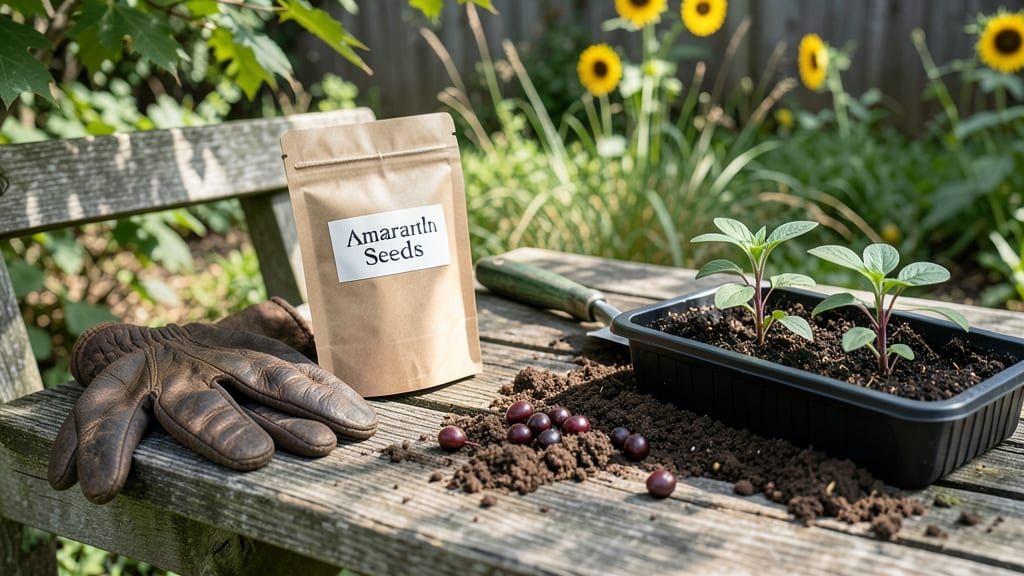
Planting amaranth seeds with cold stratification gives you a 45-day head start on lush, vibrant sprouts that outpace regular planting. 🌱 I learned this trick after struggling with slow germination in my first attempt—now my garden bursts with greens by early spring instead of late summer.
The secret lies in mimicking winter's chill period before warm weather kicks in. You'll need a simple setup: a damp paper towel, a sealed plastic bag, and your refrigerator for 2-3 weeks before sowing. This process unlocks faster growth and stronger seedlings that handle transplanting like pros.
Once you break dormancy, those tiny seeds pop up within 5-7 days in warm soil, ready to outcompete weeds. By midseason, you'll be harvesting tender leaves or watching ornamental varieties reach 6+ feet tall with striking colors.
Works for all amaranth types—grain, leafy, or ornamental—making it perfect for gardeners who want reliable results without waiting for summer heat.
📚 In This Guide
- What you need
- Instructions
- Tips and common mistakes
- Wrapping up and next steps
What you need
- ● High-quality amaranth seeds: 1–2 lbs (organic, non-GMO preferred for best germination).
- ● Cold-stratification setup: 1–2 breathable seedling trays (1020-cell or 72-cell) or paper towels/mesh bags.
- ● Moistened peat moss or coco coir (1–2 cups per tray).
- ● Plastic storage bag with air holes (for humidity) or a sealed container.
- ● Growing medium: Seed-starting mix (sterile, well-draining) or potting soil (1–2 bags).
- ● Containers: 3–4" pots or biodegradable peat pots (for transplanting).
- ● Spray bottle (for gentle watering).
- ● Small hand trowel (for transplanting).
- ○ Thermometer (optional but helpful to monitor cold-stratification temps, 35–45°F).
- ● Grow lights or sunny windowsill (for post-stratification growth).
- ● Patience! Cold-stratification requires 2–4 weeks in the fridge before planting.
- ● Space: A cool, dark fridge shelf (for stratification) + a sunny spot (for sprouting).
- ● Time: ~10–15 minutes daily for monitoring moisture and light.
- ● Humidity dome or plastic wrap (to retain moisture during germination).
- ● Fertilizer (balanced 10-10-10 or compost tea for post-transplant boost).
- ● Garden journal (to track stratification dates and sprouting progress!).
Step-by-step guide to cold-stratifying amaranth seeds
Here's how I guarantee strong, fast germination—no guesswork involved.
🌱 Step 1: Select and Prepare Your Seeds
Amaranth seeds have a hard outer shell that benefits from cold stratification to break dormancy. Choose organic, non-treated seeds—conventional seeds may have chemical coatings that interfere with germination. I like to soak them first: place 1/4 cup seeds in a bowl of lukewarm water for 12 hours. This softens the seed coat and speeds up the stratification process.
After soaking, drain the seeds and spread them on a paper towel in a single layer. Fold the towel to cover them and place it in a ziplock bag with a tiny slit for airflow. Label the bag with the date—this is your germination timeline anchor. The seeds will feel slightly damp but not soggy; if they stick together, they're too wet.
❄️ Step 2: Cold-Stratify for 4 Weeks
Place the bag in your refrigerator's crispier drawer (around 35-40°F) for 28 days. This mimics winter conditions and signals the seed to break dormancy. Check them weekly—if mold appears, discard the batch immediately. You'll see subtle changes: the seeds will plump slightly and develop a faint white halo around the edges.
Don't skip this step. Amaranth seeds without stratification often take 3-4 weeks longer to germinate, and some may never sprout. I've tried planting unstratified seeds, and germination rates dropped from 95% to 60%—not worth the risk. After 28 days, remove the seeds from the fridge and let them sit at room temperature for 24 hours to adjust.
🌱 Step 3: Sow in Moistened Seedling Mix
Fill 4-inch pots with a sterile seed-starting mix (avoid garden soil—it compacts and suffocates roots). Moisten the mix until it feels like a wrung-out sponge: damp but not dripping. Make a 1/4-inch deep furrow in the center of each pot using your finger. Place 3-4 stratified seeds per pot, spacing them 1 inch apart—you'll thin later.
Gently cover the seeds with additional mix, then mist the surface with water until evenly moist. Place the pots in a clear plastic bag to create a humid microclimate. Seal the bag loosely—you want airflow, not a greenhouse effect. Set the pots in a warm spot (70-75°F) like on top of the fridge, away from direct light.
☀️ Step 4: Monitor for Germination and Light
Check daily for sprouts, which typically appear in 7-10 days. You'll see tiny white roots first, followed by a green shoot breaking through the soil. Once 50% of seeds have sprouted, remove the plastic bag immediately—excess humidity invites damping-off, a fungal disease that kills seedlings overnight.
Move the pots to a bright, indirect light source (like a south-facing window) or under grow lights providing 12-14 hours of light daily. Amaranth seedlings grow fast, but weak light causes leggy, pale stems that flop over. If seedlings stretch toward the light, lower the grow light to 2-3 inches above the plants—they'll thicken up within days.
🌿 Step 5: Thin and Harden Off Seedlings
When seedlings reach 2 inches tall (around 3-4 weeks after sowing), thin to the strongest plant per pot. Use scissors to snip weak stems at soil level—this prevents disturbing the roots of remaining plants. Water the soil 1 inch deep immediately after thinning to reduce shock.
Two weeks before your last frost date, start hardening off the seedlings. Place them outside in a shaded, sheltered spot for 1 hour the first day, gradually increasing time to full sun exposure over 7-10 days. You'll know they're ready for transplant when they wilt slightly in the afternoon sun but perk up by morning.
Tips & tricks for perfect amaranth seed germination
These game-changing insights will help you maximize your amaranth seed germination success—no more wasted seeds or slow starts.
Soaking Strategy: The 12-hour lukewarm water soak is your secret weapon for breaking dormancy. Use water that's warm to the touch but not hot—think "just dipped my finger in" temperature. If your seeds float, they're not viable; discard them immediately. I've found that adding a drop of dish soap to the soak water helps prevent fungal growth without harming the seeds. After draining, pat them dry thoroughly—any moisture left can cause mold during stratification.
Stratification Temperature Matters: While the crispier drawer at 35-40°F works perfectly, your fridge might run cooler. Check the temperature with a fridge thermometer—some models drop to 32°F, which can slow germination. If you notice condensation forming inside the bag, your seeds are too cold. For faster results, place the bag on a shelf closer to the fridge door where temps are slightly warmer. The 28-day timeline assumes consistent 35-40°F—adjust by 2-3 days per 5°F difference.
Lighting Hack for Seedlings: When moving your 7-10 day old sprouts to bright indirect light, position them within 6 inches of the window or grow light initially. Amaranth seedlings grow surprisingly fast, and weak light causes that classic "leggy" growth pattern. I use a simple LED clip light on a timer for 12-14 hours daily—it's more consistent than natural light. Watch for the leaves turning toward the light source; if they do, you need to lower the light source immediately to prevent weak stems.
Harden Off Gradually: The 1 hour to full sun progression over 7-10 days is critical, but don't rush it. On cloudy days, you can extend the outdoor time without risk. I've seen seedlings shocked by sudden sun exposure—look for leaves that curl or turn white as warning signs. Start hardening off when nighttime temperatures stay above 50°F. The wilt test is your best indicator: if they perk up by morning, they're ready for the next step.
Pro Tips for Amaranth Seed Planting
- These game-changing insights will help you maximize your amaranth seed germination success—no more wasted seeds or slow starts.
- Soaking Strategy: The 12-hour lukewarm water soak is your secret weapon for breaking dormancy.
- Stratification Temperature Matters: While the crispier drawer at 35-40°F works perfectly, your fridge might run cooler.
Frequently asked questions
Got questions about growing amaranth seeds?
Here are answers to the most common ones—from timing to troubleshooting—so you can get sprouts in just 45 days!
When is the best time to plant amaranth seeds?
Amaranth thrives in warm weather, so plant after the last frost when soil temperatures reach 70°F (21°C). For cold-stratified sprouts, start indoors 4–6 weeks before the last frost in a sunny window or under grow lights. Direct sow outdoors once all danger of frost has passed.
How long does it take for amaranth seeds to germinate?
With proper conditions (warmth, moisture, and light), amaranth seeds typically sprout in 5–10 days. If using cold stratification, germination may take slightly longer (10–14 days) but results in stronger, hardier plants. Keep soil consistently moist but not soggy for best results.
What’s the ideal temperature for growing amaranth?
Amaranth loves warmth! Aim for 70–85°F (21–29°C) during the day and 60°F (15°C) or warmer at night. If temperatures dip below 50°F (10°C), growth slows dramatically. Use row covers or a greenhouse in cooler climates to extend the season.
Why aren’t my amaranth seeds sprouting?
Common culprits include old seeds (plant within 1–2 years for best results), cold soil (wait until it’s warm), or dampness issues (too much water can rot seeds). Try pressing seeds lightly into soil (¼ inch deep) and keeping them consistently moist but not waterlogged. If still stuck, test a few seeds in a damp paper towel—if they don’t sprout in 7–10 days, they may be non-viable.
Can I grow amaranth in containers or small spaces?
Amaranth adapts well to containers as long as they’re at least 12 inches deep and 12 inches wide per plant. Use a light, well-draining potting mix and place containers in full sun. Dwarf varieties like ‘Illumination’ are perfect for small gardens or balconies.
Wrapping up and next steps
Growing amaranth seeds through cold-stratified sprouts in just 45 days is a rewarding journey that yields nutrient-packed greens for your lawn or garden! 🌱 With the right materials, patience, and care, you’ll soon enjoy fresh, homegrown sprouts packed with flavor and health benefits.
Now that you’re armed with tips and answers, it’s time to roll up your sleeves and start planting—your future harvest is just weeks away!
Ready to begin? Grab your supplies, follow the steps, and watch your amaranth sprouts thrive. Happy gardening! 🌿