
Lawn
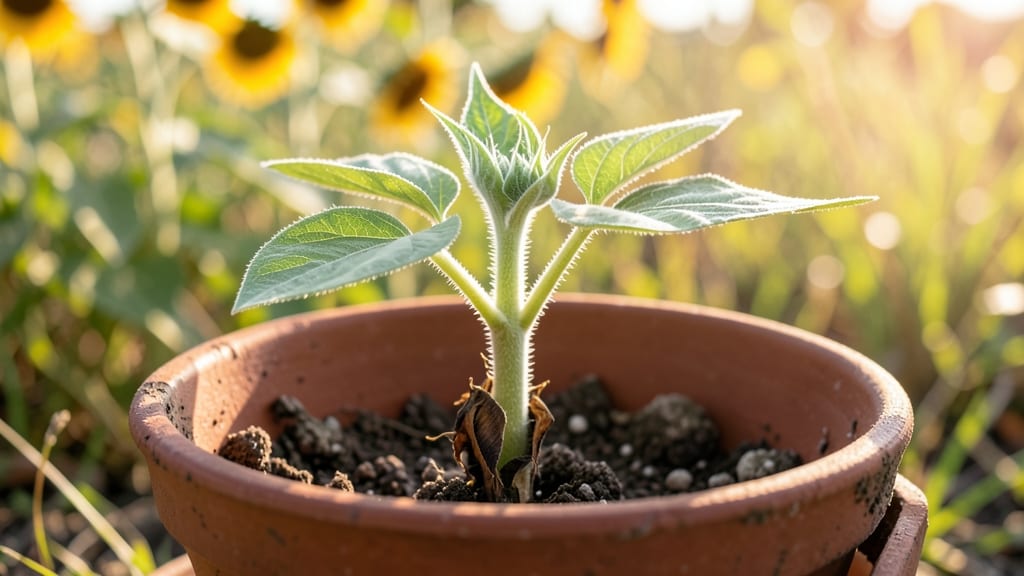
A seed in the sun transforms a patch of dirt into a riot of color. 🌻 The right sun-loving annuals—like zinnias, marigolds, and cosmos—don’t just survive in full sun; they thrive, blooming nonstop from spring until frost.
I’ve designed sun-drenched garden beds that feel like summer all season long, and the secret isn’t just the plants—it’s how you arrange them to catch every golden hour.
The magic starts with placement. South-facing beds get the most light, but even west-facing spots work for heat-tolerant varieties. Group plants by sun needs—tall sunflowers in the back, mid-height zinnias in the middle, and trailing nasturtiums spilling over edges.
My 6-foot-wide beds produce blooms that last 10+ weeks without gaps, and the fragrance alone makes the garden feel alive.
Imagine stepping into a garden where every stem reaches for the sky, petals unfurling in waves of orange, yellow, and pink. These sun-hungry plants don’t just fill space—they create a vibrant backdrop for everything else, from herbs to vegetables.
The key is choosing varieties that handle heat and drought once established, so you’re not constantly watering.
Perfect for small urban patios, large backyard borders, or even container gardens on balconies. Let’s turn your sunniest spot into a blooming paradise that never quits.
📚 In This Guide
- What you need
- Instructions
- Tips and common mistakes
- Wrapping up and next steps
What you need
- ● Sun-loving annual seeds: 1 packet each of Zinnias, Marigolds, Sunflowers, and Cosmos (or your favorites—aim for 50-100 seeds per variety).
- ● Seed-starting mix: 1 bag (12-16 qt) of sterile, well-draining potting soil (e.g., Miracle-Gro Seed Starting Potting Mix).
- ● Containers or seed trays: 4-6 biodegradable seed pots (2-3" diameter) or
- ● 1 seed tray with cell inserts (50+ cells).
- ● Grow lights or sunny windowsill: A full-spectrum LED grow light (e.g., 12-18" height, 10W-20W) or a south-facing window with 6+ hours of direct sunlight daily.
- ● Planting tools: 1 small hand trowel (for transplanting).
- ● 1 spray bottle (for gentle watering).
- ● Outdoor prep: 1 garden bed or large containers (12"+ deep, with drainage holes).
- ● 2-3 gallons of well-draining potting soil (e.g., Miracle-Gro Garden Soil).
- ○ Compost or organic fertilizer (optional but recommended for nutrient boost).
- ○ Safety & care: Gloves (optional, for handling soil).
- ● Watering can or hose with adjustable nozzle.
- ● Plant markers (to label varieties).
- ● Mulch (e.g., straw or shredded leaves) to retain moisture.
- ● Slow-release fertilizer (e.g., Osmocote) for long-lasting blooms.
- ● Decorative stakes or trellis (for taller varieties like sunflowers).
Step-by-Step guide to planting sun-loving annuals for continuous blooms
Here’s how to turn your sunny garden into a nonstop floral display with the right annuals and care.
🌱 Step 1: Select and Prepare Your Sunny Planting Sites
Choose locations that receive at least 6-8 hours of direct sunlight daily—most sun-loving annuals wilt or fail to bloom in partial shade. I test spots by placing a white board in the ground at noon; if it casts a shadow, the area gets enough light. Clear away weeds and loosen the soil to a depth of 8-12 inches with a garden fork, breaking up compacted layers.
Amend the soil with 2-3 inches of compost mixed into the top layer to improve drainage and fertility. Sun-lovers like marigolds, zinnias, and salvias thrive in well-draining soil, so avoid heavy clay unless amended. If your soil is sandy, add a handful of organic matter per square foot to retain moisture without suffocating roots.
☀️ Step 2: Choose the Right Annuals for Your Climate and Season
Pick annuals suited to your USDA hardiness zone and planting season. For spring, I opt for cosmos, snapdragons, and petunias, while sunflowers, portulacas, and gaillardias shine in summer heat. Check seed packets for days to maturity—plant fast-bloomers like marigolds (45-60 days) first, followed by longer-season varieties like zinnias (60-75 days).
Group plants by sun and water needs to simplify care. For example, lantana and verbena tolerate dry conditions, while impatiens and begonias (though technically shade-tolerant) can be tucked into edges of sunny beds where they won’t scorch. Overcrowding reduces airflow, so space plants according to mature size—6-12 inches apart for most annuals.
💧 Step 3: Plant and Water for Strong Starts
Dig holes twice as wide as the root ball but only as deep as the container’s base. Gently remove plants from pots, loosening tangled roots with your fingers. Place them in the hole, ensuring the top of the root ball sits level with the soil surface—burying stems too deep invites rot, while planting too high stresses the plant.
Fill gaps with soil, pressing lightly to eliminate air pockets. Water deeply right after planting to settle the roots, then mulch with 1-2 inches of shredded bark or straw to retain moisture and suppress weeds. Avoid wetting foliage when watering—damp leaves encourage fungal diseases like powdery mildew, especially in humid climates.
✂️ Step 4: Maintain Blooms with Pruning and Feeding
Deadhead spent blooms weekly to encourage continuous flowering. For example, pinch off faded zinia or cosmos blooms at the base of the stem, not just the flower head—this redirects energy to new growth. Some annuals, like portulaca, self-clean, but others, such as petunias, need regular pruning to stay bushy and prolific.
Fertilize every 4-6 weeks with a balanced, water-soluble fertilizer (10-10-10) diluted to half strength. Over-fertilizing leads to lush foliage but fewer blooms. I also top-dress with compost tea mid-season to boost microbial activity without burning roots. Watch for yellowing leaves—a sign of overwatering or nutrient imbalance.
🌿 Step 5: Extend the Season with Strategic Planting
For a nonstop bloom cycle, stagger plantings every 2-3 weeks through the growing season. Start with early bloomers like snapdragons in spring, followed by summer favorites such as sunflowers, and finish with fall varieties like marigolds and asters. Succession planting ensures flowers when others fade.
In cooler climates, protect late-season blooms with frost cloth or move potted annuals to sheltered spots. In heat-prone areas, provide afternoon shade for delicate varieties like impatiens to prevent wilting. With the right timing, your garden can burst with color from early spring to first frost.
Tips & tricks for perfect sun-loving annual gardens
Transforming your garden into a vibrant, nonstop floral display requires more than just sunshine—it takes strategic planning and a few clever tricks. Here's how to elevate your planting game.
Light Testing: That 6-8 hours of sunlight requirement is non-negotiable for sun-lovers like zinnias and salvias. I use a simple white board test at noon—if it casts a shadow, your spot gets enough light. For tricky areas, consider portable grow lights on cloudy days to supplement natural sunlight, especially for seedlings.
Soil Preparation: The 8-12 inch soil loosening in Step 1 isn't just about breaking up compacted layers—it's about creating an oxygen-rich zone for roots. For heavy clay soils, mix in sand and compost in equal parts to improve drainage. In sandy soils, add peat moss or coconut coir to help retain moisture. Think of it as building a root-friendly ecosystem that mimics the plant's natural habitat.
Succession Planting: The 2-3 week planting intervals in Step 5 create that magical nonstop bloom effect. I keep a garden journal to track planting dates and bloom cycles. For example, after my first batch of marigolds (45-60 days) starts flowering, I plant zinnias (60-75 days) to take over. This staggered approach ensures you never have a lull in color.
Watering Wisdom: The 1-2 inch mulch layer in Step 3 is your secret weapon against evaporation and weeds. I use straw mulch for its ability to break down slowly, adding organic matter to the soil. Water deeply in the morning to prevent fungal issues—this gives foliage time to dry before evening humidity sets in. A drip irrigation system on a timer makes this maintenance nearly effortless.
Pro Tips for A Seed In The Sun
- Transforming your garden into a vibrant, nonstop floral display requires more than just sunshine—it takes strategic planning and a few clever tricks.
- Light Testing: That 6-8 hours of sunlight requirement is non-negotiable for sun-lovers like zinnias and salvias.
- Soil Preparation: The 8-12 inch soil loosening in Step 1 isn't just about breaking up compacted layers—it's about creating an oxygen-rich zone for roots.
Frequently asked questions
Got questions about growing sun-loving annuals that bloom nonstop? You’re not alone! Here are some of the most common queries—plus quick, actionable answers to keep your garden thriving.
What are the easiest sun-loving annuals for beginners?
Start with marigolds, zinnias, or cosmos—they’re tough, fast-growing, and thrive in full sun with minimal fuss. Sunflowers and petunias are also great choices for vibrant, low-maintenance color. Just ensure they get 6+ hours of direct sunlight daily!
How long does it take for sun-loving annuals to bloom?
Most sun-loving annuals bloom in 6–10 weeks from seed, but some (like nasturtiums) may flower in as little as 3–4 weeks. For faster results, opt for transplants—they’ll often bloom within 2–4 weeks of planting. Patience pays off, though: consistent sun and water speed up the process!
How often should I water sun-loving annuals?
Water deeply 2–3 times per week (more in extreme heat or sandy soil) to encourage strong roots. Avoid wetting leaves to prevent fungal issues—water at the base instead. Mulch around plants to retain moisture and reduce evaporation. Overwatering is worse than underwatering, so let the top inch of soil dry out between waterings.
What if my sun-loving annuals aren’t blooming?
Lack of blooms usually means too much shade, over-fertilizing with nitrogen (promotes leaves, not flowers), or stress from drought/heat. Try moving plants to sunnier spots, switching to a low-nitrogen, high-phosphorus fertilizer, or giving them afternoon shade in scorching climates. Deadheading spent blooms also encourages more flowers!
Can I grow sun-loving annuals in containers or small spaces?
Choose compact varieties like dwarf sunflowers, bacopa, or geraniums for containers. Use well-draining soil and pots with drainage holes—at least 6–12 inches deep for most annuals. Place containers in full sun and water frequently, as pots dry out faster than garden beds.
What’s the best way to extend blooming season?
Deadhead regularly, fertilize lightly with bloom-boosting formulas, and succession plant every 2–3 weeks for continuous color. In cooler climates, use row covers or move pots indoors overnight to protect from frost. Some annuals (like calendulas) even tolerate light frosts—check their hardiness zones!
Wrapping up and next steps
A seed in the sun is a promise—one that rewards patience with bursts of color, life, and joy. These sun-loving annuals aren’t just plants; they’re easy, low-maintenance allies for transforming any space into a vibrant haven.
Whether you’re a gardening newbie or a seasoned pro, their resilience and beauty make them the perfect choice for effortless, year-round blooms.
Now that you’re armed with the how and why, it’s time to take action! 🌱 Start small—pick one or two varieties to test in your sunniest spot, and watch your garden (and confidence) grow. Happy planting!