
Propagation
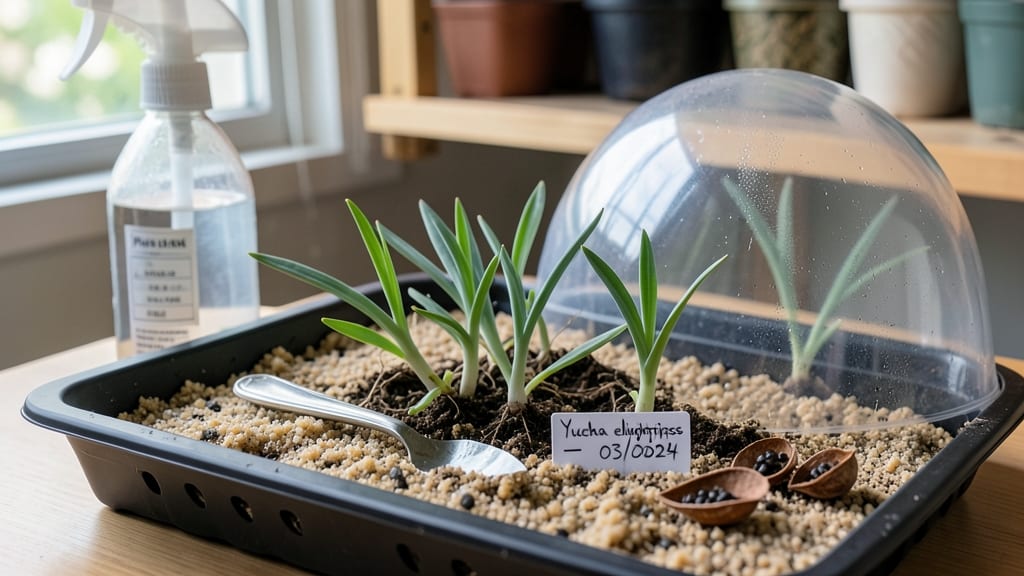
Growing a desert plant like yucca from yucca seed propagation means unlocking the potential of a striking garden addition—if you nail the germination process. 🌱 I’ve struggled with yucca seeds before, but now I’ve cracked the code for consistent sprouts, even for beginners who’ve never tried propagation.
The secret lies in mimicking the plant’s natural environment: warm soil, bright light, and patience. Most seeds need 4-8 weeks to sprout, but with the right setup, you’ll see those first green shoots breaking through the surface like tiny swords.
Once they germinate, keep them in a sunny spot with well-draining soil to prevent rot. Within 6-12 months, you’ll have a sturdy young yucca ready to transplant—no more waiting years for a mature plant from a nursery.
This method works for both indoor and outdoor setups, as long as you control moisture and light. Let’s get those seeds sprouting!
📚 In This Guide
- What you need
- Instructions
- Tips and common mistakes
- Wrapping up and next steps
What you need
- ● Yucca seeds: Fresh or stored (ensure viability—test germination if unsure). Quantity: 10–20 seeds (for better success rates).
- ● Seed-starting mix: Lightweight, well-draining blend (e.g., 50% peat moss, 30% perlite, 20% vermiculite). Quantity: 1–2 gallons (enough to fill seed trays).
- ● Seed trays or pots: Shallow containers with drainage holes (4–6" diameter or seed tray cells). Quantity: 1–2 trays/pots.
- ○ Clear plastic domes or plastic wrap: To create a humidity tent. Optional: Humidity tray with pebbles for bottom heat.
- ● Spray bottle: Fine-mist for gentle watering (avoid disturbing seeds).
- ● Grow lights or sunny windowsill: South-facing window or LED grow lights (12–16 hrs/day).
- ○ Heat mat (optional but helpful): 75–85°F range to speed germination.
- ● Small hand trowel or spoon: For gently pressing seeds into soil.
- ● Fertilizer (balanced, diluted): ½-strength 10-10-10 or fish emulsion after sprouts emerge.
- ● Labels & markers: To track seed varieties and planting dates.
- ● Pruners (sterilized): For future transplanting or thinning seedlings.
- ○ pH test kit (optional): Ideal soil pH: 6.0–7.0 for yucca seeds.
Step-by-step guide to germinating yucca seeds successfully
Yucca seeds are stubborn little things—here’s how to coax them into reliable sprouts without losing patience.
🌱 Step 1: Prepare the Seeds for Faster Germination
Yucca seeds have tough outer shells that slow down germination, so I like to soak them first. Fill a small bowl with lukewarm water and add the seeds, ensuring they’re fully submerged. Let them soak for 24-48 hours—this softens the seed coat and speeds up sprouting.
After soaking, drain the water and spread the seeds on a paper towel. Fold the towel loosely and place it in a sealed plastic bag. Store the bag in a warm, dark place (like on top of the fridge) for 3-5 days. Check daily for moisture—if the towel feels dry, mist it lightly with water. This pre-treatment mimics natural conditions and gives you a head start.
🪴 Step 2: Choose the Right Container and Soil Mix
Yucca seeds need excellent drainage, so skip regular potting soil—it’s too dense. Instead, mix 50% cactus/succulent mix with 50% perlite or coarse sand to create a gritty, well-aerated medium. Fill small pots or seed trays with this blend, leaving about ½ inch of space at the top.
Moisten the mix lightly with water until it’s barely damp—yucca seeds rot if overwatered. I use a spray bottle to avoid displacing the soil. Press it down gently to create a firm but not compacted surface. This ensures seeds stay in place when you plant them.
💧 Step 3: Plant the Seeds and Maintain Ideal Conditions
Sow the seeds ¼ inch deep—any deeper, and they’ll struggle to break through. Space them 1 inch apart in the container. Cover them lightly with a fine layer of the same soil mix, then mist the surface again until evenly moist. Don’t water from above after planting—it can wash seeds away.
Place the container in a warm, bright location with indirect light (like a south-facing window with sheer curtain). Yucca seeds germinate best at 75-85°F. If your home runs cooler, use a seedling heat mat to maintain warmth. Keep the soil consistently moist but never soggy—stick your finger in the mix. If the top inch feels dry, water gently.
☀️ Step 4: Provide Light and Monitor for Sprouts
Once the seeds sprout, move the container to a sunny spot with at least 6 hours of direct light daily. Yucca seedlings are delicate at first, so avoid harsh midday sun until they’ve developed their first true leaves. You’ll know they’re ready for more light when they stand upright and their leaves turn a deeper green.
Germination can take 2-6 weeks, depending on temperature and seed freshness. Don’t rush it—yucca seeds won’t sprout if the conditions aren’t just right. If you see mold or black spots on the soil, remove the seedlings immediately and repot them in fresh, dry mix. This prevents damping-off, a common killer of young sprouts.
✂️ Step 5: Transplant Seedlings When Ready
When seedlings reach 2-3 inches tall and have 3-4 true leaves, it’s time to transplant. Gently remove them from the seed tray, being careful not to damage the roots. Plant them in individual 4-inch pots filled with the same cactus mix you used for germination.
Water lightly after transplanting, then hold off for 5-7 days to let the roots establish. Yucca seedlings are drought-tolerant once established, but they need consistent moisture during their first few weeks. After that, reduce watering to every 2-3 weeks, allowing the soil to dry out completely between waterings. This teaches them to develop strong root systems early.
Tips & tricks for perfect yucca seed germination
Yucca seeds demand patience, but these refined techniques will dramatically increase your success rate.
Soaking Strategy: The 24-48 hour soak is non-negotiable for breaking down those tough seed coats, but here's the secret: use filtered water instead of tap water. Chlorine can inhibit germination, and even if you let the water sit overnight, trace chemicals remain. I also recommend adding a few drops of hydrogen peroxide (3%) to the soaking water to prevent fungal growth during this critical phase.
Temperature Precision: Maintaining that 75-85°F range is crucial, but most homes can't maintain consistent warmth. If your space runs cooler, place your seed tray on top of a refrigerator or appliance—the heat rising from the back creates a perfect microclimate. For extra insurance, wrap the container in a clear plastic wrap (not airtight) to trap warmth while still allowing airflow. This creates a greenhouse effect without risking condensation buildup.
Light Transition: When moving seedlings to direct light in Step 4, don't rush it—gradually increase exposure over 3-4 days. Start with 2 hours of morning sun and slowly extend the duration. Yucca seedlings are sensitive to sudden light changes, which can cause leaf scorch. I watch for color changes: healthy seedlings develop a glossy, deep green hue when ready for full sun exposure.
Transplanting Technique: The 5-7 day watering break after transplanting might seem counterintuitive, but it forces seedlings to develop deeper root systems. To make this easier, I recommend using small terracotta pots for the initial transplant—their porous nature encourages root growth through the sides. Water from the bottom by placing pots in a shallow tray of water for 10 minutes, then let them drain completely before returning to their growing location.
Pro Tips for Yucca Seed Propagation
- Yucca seeds demand patience, but these refined techniques will dramatically increase your success rate.
- Soaking Strategy: The 24-48 hour soak is non-negotiable for breaking down those tough seed coats, but here's the secr...
- Temperature Precision: Maintaining that 75-85°F range is crucial, but most homes can't maintain consistent warmth. If...
Frequently asked questions
Got questions about growing yucca from seeds? You’re not alone! Here are some of the most common queries—and their answers—to help you navigate the process with confidence.
How long does it take for yucca seeds to germinate?
Yucca seeds can take anywhere from 2 to 6 weeks to germinate, depending on temperature, moisture, and seed freshness. Warmth (around 70–80°F) and consistent moisture speed up the process. Patience is key—don’t disturb the soil while waiting!
Can I speed up germination with any tricks?
Yes! Try these shortcuts:
- Soak seeds in warm water for 24 hours before planting to soften the outer shell.
- Use a seedling heat mat to maintain steady warmth.
- Mist the soil daily to keep it moist but not soggy.
What if my yucca seeds won’t sprout at all?
Don’t panic! First, check for viability—test-float seeds in water (sinkers are good, floaters may be dead). If they’re fresh but still not sprouting, try:
- Adjusting light levels (yucca loves bright, indirect light).
- Repotting in fresh, sterile soil to prevent rot.
- Using a growth hormone like rooting powder for stubborn seeds.
Can I grow yucca from seeds outdoors directly?
Outdoor planting is possible in warm climates (Zones 7–11), but timing matters! Sow seeds in late spring or early summer after the last frost. Use well-draining soil and protect young seedlings from harsh sun or pests. For cooler areas, start indoors and transplant after the threat of frost passes.
Are there easier ways to propagate yucca besides seeds?
If seeds feel like too much work, try:
- Pupping: Many yucca plants produce offsets (pups) at the base—simply separate and replant.
- Stem cuttings: Snip healthy stems, let them callus for a day, then plant in moist soil.
- Division: Split mature clumps into smaller sections and replant.
Wrapping up and next steps
Yucca seed propagation is a rewarding journey that connects you to nature’s resilience—one tiny sprout at a time! 🌱 With patience, the right tools, and a little care, you’ve got everything you need to grow thriving yucca plants from seed. Your next step? Start small: pick a sunny spot, prep your soil, and watch those seeds transform into striking, drought-tolerant beauties for your garden.
Ready to dive in? Grab your gloves, and let’s get growing! 🌿