
Lawn
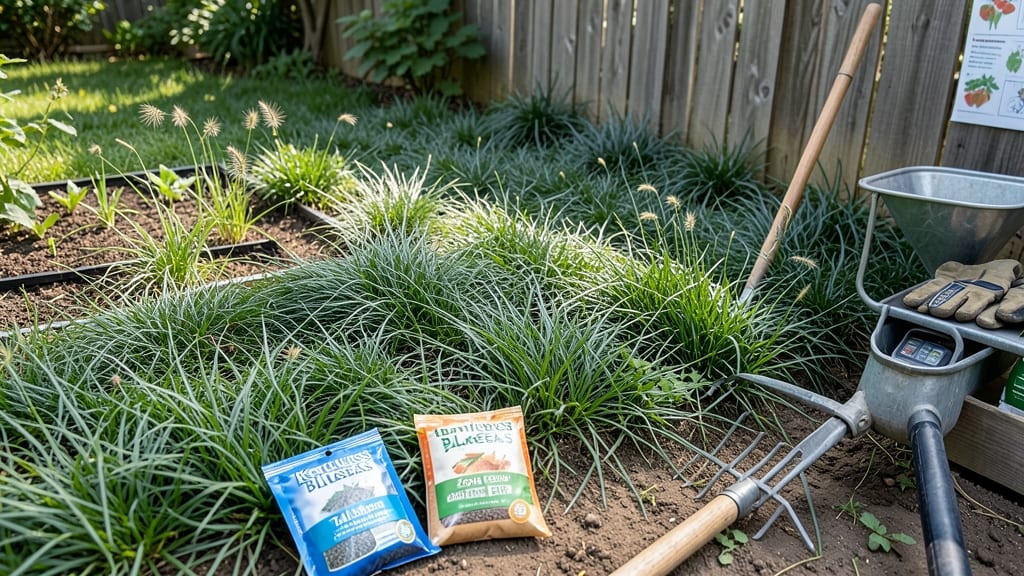
To seed and fertilize your lawn at the perfect time means choosing between spring and fall — and the wrong pick can leave you with a thin, patchy yard instead of the thick, green carpet you want.
Struggling to decide whether spring or fall is the best time to seed and fertilize your lawn? Timing makes all the difference between a patchy, weak lawn and a lush, green carpet that neighbors envy.
In USDA Zone 6, early spring (March–April) or early fall (August–September) are your golden windows for seeding 🌱 — when soil temperatures hit 60°F and weeds are still manageable. Fertilizing too early or too late can burn young grass or waste nutrients.
Below, I break down the exact seasonal schedule for seeding and fertilizing, regional tweaks, and the one mistake even experienced gardeners make (spoiler: it’s about watering).
Optimal lawn seeding and fertilizing timing by season: spring vs fall guide
Deciding when to seed and fertilize lawn can feel overwhelming, especially when faced with conflicting advice about spring vs fall timing. The truth? Both seasons offer benefits, but fall planting often wins for most regions due to cooler temperatures and fewer weeds.
Let me break down the science behind these timings and how your USDA hardiness zone impacts your lawn's success.
For spring seeding, aim for March through April in most zones, once soil temperatures hit 60°F (15°C). This gives grass 6-8 weeks of growing season before summer heat arrives.
However, spring brings weed competition and potential drought stress. Fall seeding, on the other hand, targets August through September, allowing seeds to germinate in mild weather while weeds go dormant.
Here's the key difference: fall fertilization strengthens roots before winter, while spring fertilization fuels rapid top growth. Your climate dictates which approach works best - northern regions favor fall, while southern areas may see better spring results due to milder winters. Let's compare these approaches in detail.
| Factor | Spring Seeding (Mar-Apr) | Fall Seeding (Aug-Sep) |
|---|---|---|
| Soil Temperature | 60-75°F (15-24°C) | 60-70°F (15-21°C) |
| Weed Competition | High (active growth) | Low (weeds dormant) |
| Water Needs | Moderate (spring rains help) | Lower (cooler temps reduce evaporation) |
| Fertilizer Strategy | High nitrogen for growth | Balanced NPK for root strength |
| Best For Regions | Southern zones (mild winters) | Northern zones (cooler summers) |
| Establishment Time | 6-8 weeks before summer | 8-10 weeks before frost |
Let's start with spring seeding, which works best in USDA zones 7-10 where winters are mild. The ideal window is March through early April, right after your last frost date. This timing gives your grass 6-8 weeks of growing season before summer heat arrives.
For fertilization, apply a high-nitrogen formula in early spring to encourage rapid top growth, then follow up with a balanced fertilizer in late spring.
In spring, your lawn faces weed competition and potential drought stress, so proper watering techniques become critical. Water deeply 2-3 times per week in the morning to reduce evaporation and fungal risks.
Remember, spring fertilization should happen 4-6 weeks before seeding - never apply fertilizer right before or after planting, as it can burn tender seedlings.
Now for fall seeding, which is often considered superior for northern climates (zones 3-6). The optimal window is August through early September, allowing seeds to germinate in 60-70°F (15-21°C) soil while weeds go dormant.
Fall fertilization focuses on root development rather than top growth, using a balanced NPK ratio like 10-10-10 or 12-12-12. Apply your first fall fertilizer in early August to prepare the soil, then seed in late August.
One of the biggest advantages of fall planting is the reduced weed competition. Many annual weeds go dormant in cooler temperatures, giving your grass seedlings a cleaner start. Additionally, fall-seeded lawns enter winter with stronger root systems, making them more drought-resistant in spring.
For fall fertilization, apply a light feeding in early fall (August), then a second application in late fall (October) to prepare for winter.
Regional climate plays a huge role in determining which season works best for your lawn. In northern states, fall is almost always superior due to cooler summers and milder winters.
Southern gardeners, however, may see better results from spring seeding because their winters are too cold for fall establishment. Always check your last frost date and aim to seed 4-6 weeks before that date in fall, or right after your last frost in spring.
Don't forget that soil temperature is more important than air temperature when determining seeding times. Use a soil thermometer to confirm your soil is at least 60°F (15°C) before planting. In spring, this typically means waiting until late April or May in cooler climates. In fall, you can
How to prepare your lawn for seeding and fertilizing: step-by-step process
Preparing your lawn for seeding and fertilizing is the foundation of a thick, vibrant yard. Skipping these steps often leads to poor seed germination and wasted fertilizer. I’ve learned that proper prep can make the difference between a patchy lawn and one that’s the envy of the neighborhood.
The key is timing—both seasonal and within your preparation process—to ensure seeds and nutrients work together effectively.
Before you even think about spreading seed or fertilizer, your lawn needs a thorough inspection and adjustment. This means checking soil conditions, adjusting mowing heights, and controlling weeds.
I’ll walk you through each critical step so you can set your lawn up for success, whether you’re seeding in spring or fall. Proper preparation isn’t just about what you do—it’s about when and how you do it.
Step-by-Step Lawn Prep for Seeding & Fertilizing
- 🌱 Test Soil pH & Nutrients: Use a soil test kit to check pH (ideal: 6.0-7.0). Amend with lime (for acidic soil) or sulfur (for alkaline soil) 4-6 weeks before seeding.
- ✂️ Mow Short & Remove Debris: Cut grass to 1.5 inches and rake away thatch and dead grass. This ensures seeds make direct contact with soil.
- 🌿 Control Weeds & Pests: Apply a pre-emergent herbicide (if seeding soon) or manually remove weeds. Treat for grubs or insects with an appropriate pesticide.
- 💧 Water Deeply 24 Hours Before: Soak the soil to a depth of 4-6 inches. This helps seeds germinate faster and reduces water stress on new grass.
- 🪴 Loosen Compacted Soil: Use a core aerator to create holes (3-4 inches deep) for better seed-to-soil contact and root penetration.
- 🌱 Spread Fertilizer (If Not Seeding Immediately): Apply a balanced fertilizer (10-10-10) 2-3 weeks before seeding to boost soil health without burning seeds.
- 🌿 Seed or Sod at Optimal Time: For best results, seed in early spring (March-April) or early fall (August-September) when soil temps are 60-75°F.
One of the most common mistakes I see is rushing the prep work. For example, many gardeners skip soil testing and end up with poor seed germination because the soil lacks essential nutrients. I recommend investing in a soil test kit ($20-$30) to avoid this pitfall.
The results will tell you exactly what amendments your lawn needs, whether it’s organic matter, phosphorus, or potassium.
Another critical step is adjusting your mower’s height. If you’re seeding, set the blade to its lowest setting to remove as much existing grass as possible. This reduces competition for nutrients and sunlight.
After seeding, raise the mower to 3 inches to protect new grass blades from damage. I’ve found that many homeowners overlook this adjustment, leading to uneven growth or scalped lawns.
Watering is often underestimated, but it’s one of the most important factors in successful seeding. After you’ve spread seed, keep the soil consistently moist (not soggy) for the first 2-3 weeks. This encourages strong root development.
I use a sprinkler timer to water early in the morning, which reduces evaporation and fungal risks. Avoid watering in the evening, as damp grass overnight can lead to disease.
Finally, don’t forget about post-seeding care. Once your new grass reaches 3-4 inches tall, you can gradually reintroduce fertilizer. Start with a light application of nitrogen-rich fertilizer to support growth without overwhelming the young plants.
This is where many gardeners go wrong—they over-fertilize too soon, which can burn delicate new grass.