
Plants
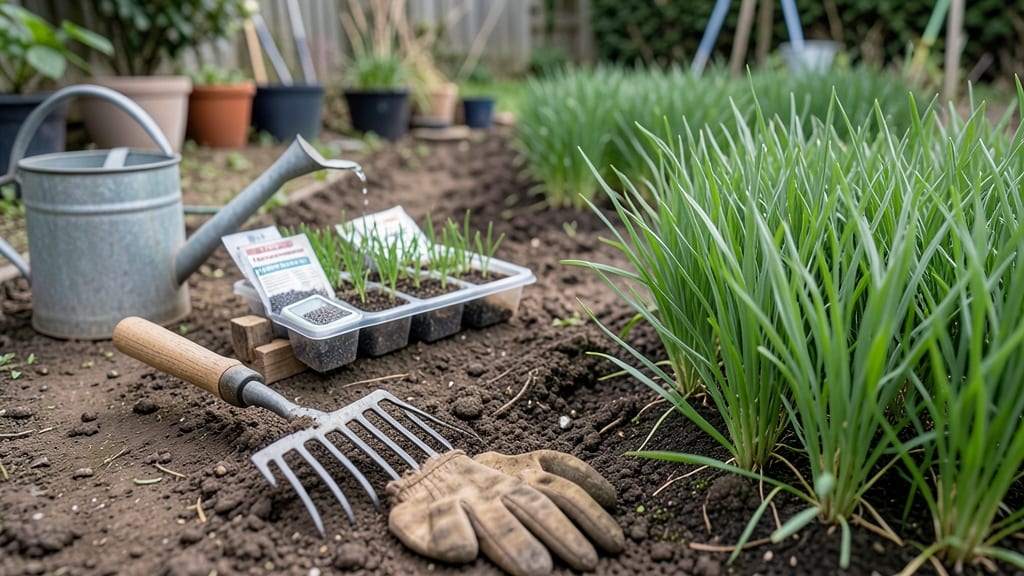
To plant grass seed in Virginia spring, aim for March through early April when soil temperatures hit 50°F-65°F—the sweet spot for cool-season turfgrass 🌱 to germinate strong.
Planting grass seed at the wrong time in Virginia can mean wasted effort—or worse, a patchy lawn that never reaches its full potential. Timing your spring planting by soil temperature and frost dates is the secret to lush, healthy grass that thrives from the start.
Virginia’s 7a-8a zones see last frosts as late as mid-April in the mountains, while Tidewater areas warm up by early March. That’s why checking soil temps (not just calendar dates) is your best bet for avoiding frost damage or missed germination windows.
Below, I break down the exact soil temp ranges, frost date maps, and step-by-step schedules to get your lawn off to a perfect start—no guesswork, just science-backed timing for Virginia’s climate.
Best soil temperature ranges for planting grass seed in Virginia springs
Timing your grass seed planting by soil temperature is critical in Virginia, where spring weather shifts rapidly. Cool-season grasses like Kentucky bluegrass and tall fescue thrive when soil temps hover between 50°F and 65°F, while warm-season grasses such as Bermuda and Zoysia prefer 65°F to 75°F for optimal germination.
Virginia’s diverse climate zones—from the cooler mountains to the warmer Tidewater region—mean you’ll need to adjust your planting window accordingly.
Most Virginia gardeners focus on cool-season grasses for spring planting, as they establish roots before summer heat sets in. Warm-season grasses, however, are better suited for late spring or early summer when soil warms up.
Skipping this step can lead to poor germination, weed competition, or even seed rot if planted too early or too late.
To test your soil temperature, use a soil thermometer inserted 2-3 inches deep into the ground. Morning readings between 9 AM and 11 AM are most accurate, as afternoon temps can spike. Aim for a consistent 5-day average within your target range before planting.
For example, if you’re in Northern Virginia’s Piedmont region, wait until mid-April when soil temps reliably hit 55°F to 60°F.
Regional variations in Virginia mean your planting window may differ by weeks. The Tidewater region (eastern Virginia) often sees soil warm up 2-3 weeks earlier than the Blue Ridge Mountains (western Virginia). Use local USDA Plant Hardiness Zone maps (Zones 7a-8a) as a starting point, but always prioritize soil temperature over calendar dates.
Here’s how Virginia’s three main climate zones align with ideal planting windows:
If your soil temps are too cold for planting, consider covering the seed with a thin layer of straw or using a seed blanket to insulate it until conditions improve.
Conversely, if temps are too warm (above 70°F), switch to warm-season grasses or wait until late spring when soil cools slightly in the afternoon.
For overseeding existing lawns, aim for early spring (March) when soil temps are still cool but weeds are less aggressive. New lawns, however, benefit from slightly warmer soil (55°F+) to encourage faster germination.
Always water deeply after planting to help seeds establish roots quickly in the optimal temperature range.
Pro tip: Check the Virginia Cooperative Extension’s weekly soil temperature reports for your county, as they provide real-time data tailored to local conditions. This small step can save you from wasted seed or patchy germination due to timing mistakes.
Adjusting your planting schedule based on soil temperature—rather than just the calendar—is the key to a thick, green lawn that stands up to Virginia’s unpredictable springs. Start testing your soil now, and you’ll be ready to plant just as conditions align perfectly.
Virginia frost dates and how they affect grass seed planting timing
Virginia's frost dates are the most critical factor in determining when to plant grass seed in spring. Planting too early risks frost damage to young seedlings, while waiting too long means weed competition and slower establishment.
Each region has its own last average frost date, creating a moving target for gardeners.
For Northern Virginia (including Arlington and Alexandria), the average last frost date is April 15. This means you should aim to plant 4-6 weeks before—typically mid-March to early April.
In Central Virginia (Richmond, Charlottesville), the last frost date is around April 1, shifting the ideal planting window to late February to March.
Southern Virginia (Norfolk, Roanoke) enjoys an earlier last frost date of March 15, allowing for late February planting. However, even these dates can vary ±7-10 days annually, so always check local weather forecasts and USDA frost maps before committing to a planting schedule.
- 📅 Southern VA (March 15 last frost): Plant late February for 6-8 weeks of growth before summer heat.
- 📅 Central VA (April 1 last frost): Plant late February to March to avoid late spring frosts that can kill seedlings.
- 📅 Northern VA (April 15 last frost): Plant mid-March to early April for optimal germination before summer stress.
- ⚠️ Risk of early planting: Frost damage to tender seedlings (32°F or below) can kill new grass in 24-48 hours.
- ⚠️ Risk of late planting: Weed competition (crabgrass, clover) and drought stress reduce grass establishment success.
- 💡 Pro tip: Use row covers or frost cloth if planting 2-3 weeks early in high-risk zones.
If you plant too early, a late frost can kill young seedlings before they establish roots. I’ve seen this happen in Northern Virginia when gardeners rush to plant in February—only to lose everything to a March frost.
Conversely, planting too late (after mid-April) gives weeds a head start, making it harder for grass to compete for space and nutrients.
For cool-season grasses (like Kentucky bluegrass and tall fescue, which dominate Virginia lawns), the 4-6 week window before the last frost ensures they have time to germinate and develop roots before summer heat arrives. Warm-season grasses (like Bermuda and Zoysia) are planted later, but they’re less common in Virginia’s climate.
Always double-check with Virginia Cooperative Extension or your local USDA Plant Hardiness Zone map—these resources provide hyper-local frost data that can shift planting windows by 1-2 weeks depending on microclimates. A little preparation now means lush, healthy grass all season long! 🌿