
Lawn
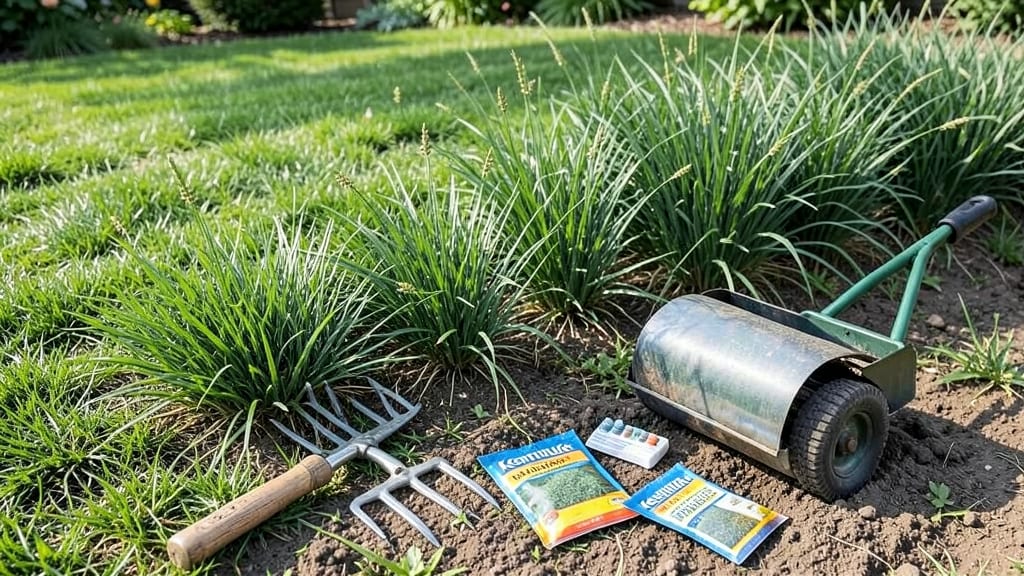
To plant grass seed in Kentucky, aim for early spring or early fall when soil temperatures hover between 55–65°F—this window gives your 🌱 turfgrass the best shot at deep roots before summer’s heat or winter’s chill.
Kentucky’s unpredictable spring and fall weather can make timing tricky—but getting it right means lush, weed-resistant lawns that outlast summer’s heat. Miss the window, and you risk shallow roots that brown by July or seedlings that rot in soggy spring soil.
Most Kentucky gardeners swear by late August to mid-September for fall planting, when soil stays warm enough for germination but cools before frost. Spring planting works too, but wait until after the average March 15 last-frost date—earlier and you’ll play a dangerous game of frost roulette.
Below, I’ll break down the exact soil temps to watch for, how to prep your Kentucky clay soil, and the 3 grass varieties that thrive here—plus when to overseed for that perfect green carpet year-round.
Best planting windows in Kentucky by hardiness Zone (4-7)
Kentucky’s diverse microclimates—from the humid Bluegrass Region to the warmer Pennyrile lowlands—create distinct planting windows for grass seed. Zone 4-7 gardeners must balance frost dates, soil temperatures, and rainfall patterns to avoid failed germination. Early fall often outperforms spring, but regional variations demand precision.
In Zone 6a (northern KY), where frost lingers until mid-April, cool-season grasses like Kentucky bluegrass thrive when planted in early September or late March. Meanwhile, Zone 7b (southern KY) can extend fall planting to early October, thanks to milder winters.
Microclimates—like Lexington’s urban heat islands—can shift ideal windows by 2-3 weeks.
Here’s your month-by-month guide, tailored to Kentucky’s two primary regions and their unique frost risks. Use this to align planting with soil warmth (ideal: 55–65°F) and rainfall trends, avoiding both spring droughts and fall freezes.
🌱 PRO TIP: Test soil moisture before planting—Kentucky’s clay-heavy soils can stay soggy in spring or dry out fast in summer. Aim for moist but not waterlogged conditions.
| Region & Zone | Best Planting Window | Soil Temp Requirement | Key Risks to Avoid | Grass Variety Fit |
|---|---|---|---|---|
| Bluegrass Region (Zone 6a) | Early Sep–Mid-October Late March–Early April |
55–65°F (fall) 60–70°F (spring) |
Spring droughts Late frost (after planting) |
Kentucky Bluegrass Tall Fescue |
| Pennyrile Lowlands (Zone 7b) | Early Sep–Early November Late March–Mid-April |
60–70°F (fall) 65–75°F (spring) |
Summer heat stress Early fall freezes |
Bermudagrass Zoysia |
| Louisville Metro (Zone 6b) | Mid-Aug–Late Oct Early April–Mid-May |
58–68°F (fall) 62–72°F (spring) |
Urban heat delays frost Compacted soils |
Fine Fescue Ryegrass Mix |
| Lexington Urban (Zone 7a) | Late Aug–Early Nov Late March–Early May |
60–70°F (fall) 65–75°F (spring) |
Shade from trees Pest pressure |
Tall Fescue Blend Perennial Ryegrass |
*Adjust dates 1–2 weeks based on local frost records. Check Almanac’s Kentucky frost calendar for yearly updates.
Fall planting (September–October) is my top recommendation for Kentucky lawns. Cool evenings and warm days create ideal 55–65°F soil temps, while fewer weeds and consistent rainfall reduce competition.
In Zone 6a, aim for 6 weeks before first frost—typically early September—to allow 6–8 weeks of growth before winter dormancy.
Spring planting (March–April) works but demands vigilance. Late frosts (common until mid-April) can damage tender seedlings, while spring droughts (like 2020’s 100°F heat waves) stress new grass.
If planting in spring, wait until soil stays above 55°F for 5+ days and cover seeds with straw for frost protection.
For warm-season grasses (like bermudagrass), late spring (May) is critical. These varieties won’t survive Kentucky winters but thrive in Zone 7b’s heat. Plant after last frost (mid-April) and before summer droughts (June+). Overseeding with ryegrass in fall bridges the winter gap.
🌡️ KEY INSIGHT: Use a soil thermometer ($10 at garden centers) to confirm readiness. Below 55°F = delayed germination; above 75°F = seed dormancy. Kentucky’s clay soils warm slower than sandy soils—plant 1–2 weeks later if your yard feels cooler.
Microclimates matter more than zones in Kentucky. A north-facing slope in Zone 6a may mimic Zone 5 frost risks, while a south-facing urban lot in Lexington (Zone 7a) can push planting 2 weeks later.
Observe your yard’s sun exposure and wind patterns: Windward sides dry faster and need extra watering.
If you miss the ideal window, overseeding in early fall (September) is your next best bet. Ryegrass germinates quickly (7–14 days
Soil temperature & moisture secrets for Kentucky grass seed success
Kentucky’s clay-heavy soils and humid climate create unique challenges for grass seed germination. Unlike sandy soils, clay retains moisture but can become waterlogged or compacted, stalling seed growth. The key to success lies in soil temperature and consistent moisture—both of which Kentucky’s spring and fall weather can make unpredictable.
For cool-season grasses like Kentucky bluegrass and tall fescue, your soil should reach 55–65°F at a depth of 2–4 inches. This typically happens in early spring (March–April) or early fall (September–October), but timing varies by microclimate.
Northern Kentucky (e.g., Lexington) may need to wait longer than southern regions like Bowling Green.
⚠️ callout warning ⚠️
⚠️ Don’t Plant Despite 'Perfect' Timing!
Drought or heavy rain can ruin your grass seed before it sprouts. If your forecast shows:
- No rain for 5+ days → Delay planting until moisture returns.
- 3+ inches of rain predicted → Wait 1–2 weeks to avoid seed erosion.
- Soil feels soggy or muddy → Avoid planting until it dries slightly.
Pro tip: Use a soil thermometer ($10 at garden centers) to confirm temps before planting. Clay soils cool slower—wait for consistent 60°F+ readings.
Testing your soil’s moisture is just as critical as temperature. Press your finger 2 inches deep—if it feels damp but not soggy, your soil is ready. Kentucky’s clay can hold too much water, leading to fungal diseases like Pythium.
To fix compaction, aerate 1–2 weeks before planting using a core aerator (rent for ~$60). This creates air pockets for roots and improves water drainage.
Once planted, water deeply twice daily (early morning and late afternoon) for the first 10–14 days. Aim for 1 inch of water per week, including rainfall. Use a rain gauge or tuna can to measure—Kentucky’s erratic showers make this a must.
After germination (usually 7–21 days), reduce to 1 inch per week and water early morning only to prevent fungal growth.
One common mistake Kentucky gardeners make is overwatering after germination. Once seedlings emerge, let the top ½ inch of soil dry slightly between waterings to encourage deep root growth.
Shallow roots = weak grass that struggles in summer heat. If your lawn feels spongy underfoot, you’re overwatering—reduce frequency and increase depth.
For clay-heavy soils, mix in 2–3 inches of compost before planting to improve drainage and nutrient availability. Organic matter also helps retain moisture without suffocating seeds.
After seeding, lightly cover with ¼ inch of soil or straw mulch to protect seeds from drying out while allowing sunlight to reach them.