
Plants
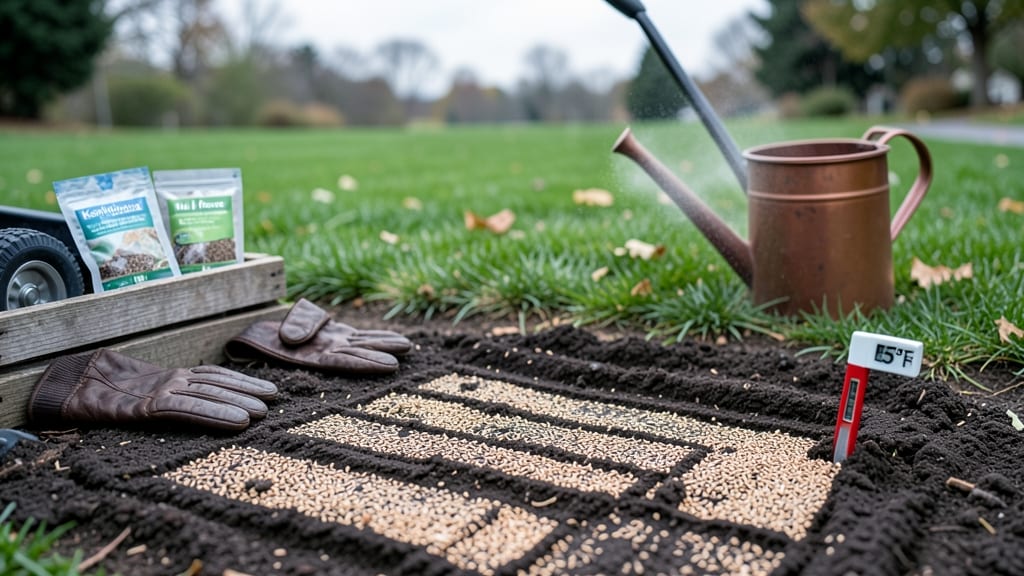
A good time to plant grass seed in the spring is 4-6 weeks before your last frost date — a window that balances soil warmth and frost risk for the best germination rates.
Spring is the perfect time to transform your lawn, but planting grass seed too early or too late can mean wasted effort—and money. Timing matters more than you think, especially when it comes to avoiding frost, heat stress, and poor germination rates.
In Zone 6a, that means aiming for early March to mid-April, when soil temperatures hover around 55-65°F and the threat of frost has passed. Too soon, and the seeds may freeze; too late, and summer heat can dry them out before they take root.
Below, I’ll break down the best weeks before last frost by region, how to check if your soil is ready, and the three biggest mistakes that kill grass seed in spring—so you can get it right the first time.
Best weeks before last frost to plant grass seed by region
Timing your grass seed planting is everything—plant too early and frost will kill your tender sprouts, too late and summer heat will stress young grass. The optimal window depends on your USDA hardiness zone and whether you're growing cool-season or warm-season grass.
Northern climates favor early spring planting, while southern regions often wait until late spring or early fall.
For cool-season grasses (like Kentucky bluegrass, fescue, and ryegrass), aim to plant 4-6 weeks before your last frost date. This gives seedlings time to establish roots before summer heat arrives.
In USDA zones 3-5, this typically means March to early April, while zones 6-7 shift to late March to mid-April.
Warm-season grasses (Bermuda, Zoysia, St. Augustine) thrive when soil temperatures hit 65°F or warmer. In southern zones (8-11), plant 2-4 weeks before summer heat peaks, usually late April to early June. Northern warm-season grasses (like Buffalo grass) may wait until late May to June.
Microclimates can shift your ideal window by 1-2 weeks. Shady areas stay cooler longer, while south-facing slopes warm up faster. Use a soil thermometer to confirm temps match your grass type's needs before planting.
Overseeding established lawns follows similar rules, but reduce planting depth to ¼ inch and use half the seed rate. For new lawns, aim for 6-8 weeks before last frost in cool climates to ensure full establishment before summer stress.
In USDA zone 6a (like much of the Midwest), my go-to window is late March to early April for cool-season grasses. I always check the Almanac's frost predictor and adjust if an early frost is forecasted.
A light frost (28°F) can kill seedlings, while a hard frost (below 25°F) will stop germination entirely.
For warm-season grasses in zone 8, I wait until mid-May when soil temps consistently stay above 65°F. Planting too early risks fungal diseases from cool, damp soil. Always water deeply after planting to help seeds establish before summer heat arrives.
Pro tip: If your region has unpredictable spring weather, consider fall planting for cool-season grasses. Many gardeners in zones 5-7 achieve better germination rates by planting in September, avoiding summer heat entirely.
Remember, local weather patterns matter more than zones alone. Check your last frost date from the National Weather Service and adjust your window by 1-2 weeks if your area tends toward early or late frosts.
Signs your soil and weather are ready for grass seed
Before rushing to plant your grass seed, check if your soil temperature and weather conditions are truly ready. Cool-season grasses like Kentucky bluegrass and fescue need soil temps between 50°F and 65°F, while warm-season types like Bermuda or Zoysia thrive when soil is 65°F to 75°F.
Waiting for the right conditions prevents wasted seed and poor germination.
Use a simple soil thermometer—insert it 2 inches deep in the ground on a sunny morning. If the needle hovers in your grass type’s ideal range, it’s time to prep.
For moisture, perform the paper towel test: grab a handful of soil, wrap it in a damp paper towel, and check for dampness after 10 minutes. If it’s dry, water deeply before planting.
✅ Your Lawn Is Ready When...
- 🌡️ Soil temp: 50°F–65°F (cool-season) or 65°F–75°F (warm-season)
- 🌱 Frost risk: No more hard frosts forecasted in the next 2 weeks
- 💧 Moisture: Soil stays damp but not soggy (test with paper towel)
- ☀️ Sunlight: 6+ hours of direct sun daily for your lawn area
- 🌬️ Wind: Light breezes (10 mph)—avoid high winds that dry seed too fast
Watch for consistent rainfall or plan to water daily for 2 weeks after planting. Grass seed needs steady moisture to sprout—if your area is drought-prone, use a lightweight mulch (like straw) to retain humidity. Avoid planting if heavy rain is forecasted, as it can wash seed away or cause erosion.
Check your local frost dates—planting 4–6 weeks before the last frost gives seeds time to germinate before summer heat arrives. For example, in Zone 5, aim for mid-April, while Zone 8 gardeners can start as early as February.
Use a frost calendar for your region to avoid surprises.
Finally, inspect your soil for compacted areas or weeds. Loosen the top 2 inches with a rake or aerator, and remove debris to give seeds direct contact with soil. A quick pH test (ideal range: 6.0–7.5) ensures nutrients are available for new growth.
When all these signs align, your lawn is primed for a lush, healthy start. Grab your seeds and tools—spring planting season is here! 🌱