
Plants
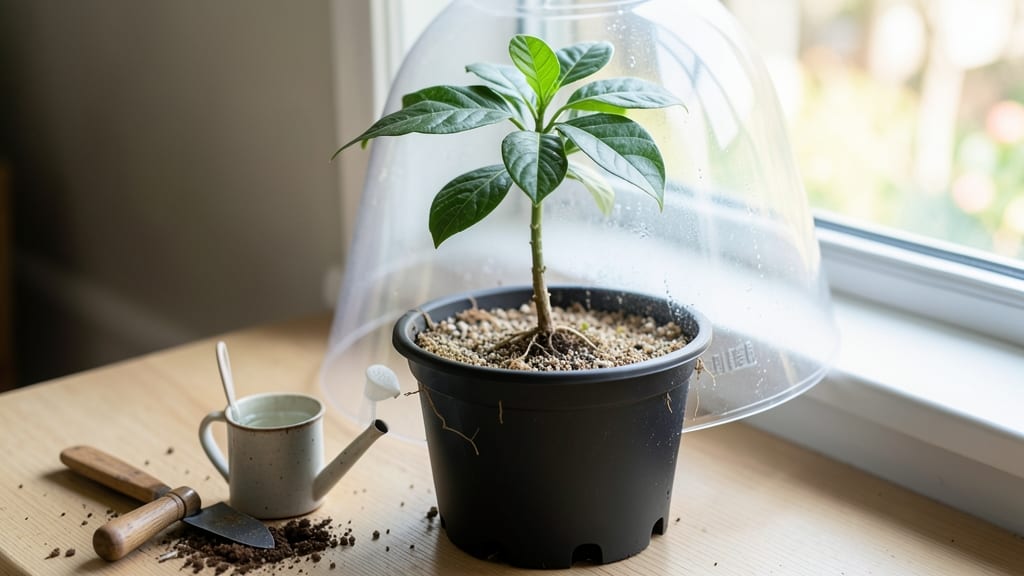
Planting an avocado seed in soil when it’s ready to thrive means waiting for roots to reach 2-3 inches and soil temperatures to hit at least 70°F—timing that wrong can stall growth or even kill your young 🥑.
You’ve watched that seed sprout in water, but now comes the tricky part: moving it to soil too soon risks cold-sensitive roots, while waiting too long can suffocate them. The key is catching it at the right stage—when roots are sturdy but leaves are still vibrant.
In cooler climates like USDA Zone 6, aim for spring after the last frost (typically mid-April), while warmer zones can plant as early as February. The goal? A balance of warmth, moisture, and light to give your seedling the best shot at survival.
Below, I’ll walk you through how to check if your avocado seed is ready, the ideal soil conditions, and step-by-step transplanting tips to avoid common mistakes—so your young tree grows strong from day one.
The perfect time to plant avocado seeds in soil (temperature & season guide)
Timing is everything when moving your avocado seed from water to soil. The ideal soil temperature for planting is 70°F or warmer, as cooler temps slow root growth and increase rot risk.
In USDA zones 8-11, this typically aligns with late spring through summer, while cooler regions (zones 6-7) may need to wait until early summer when nighttime temps stay above 60°F.
Planting too early risks stunted growth or even death, while waiting too long can cause root suffocation as the seedling outgrows its water environment.
Your avocado seed must show key readiness signs before transplanting. Look for 2-3 inch roots and a pencil-thick stem—these indicate strong enough roots to support soil growth. The seedling should also have 2-3 mature leaves and a tapered root system (not circling).
If your seedling lacks these traits, it’s not ready yet, even if the season seems perfect. Patience here prevents transplant shock and ensures a healthy start.
| Factor | Spring Planting (March-May) | Summer Planting (June-August) |
|---|---|---|
| Soil Temperature | 60-75°F (varies by region) | 75-90°F (optimal for growth) |
| Growth Risk | Cold snaps can stall roots | Heat stress if not watered properly |
| Seedling Readiness | 2-3" roots, pencil-thick stem | Same as spring + faster growth |
| Best For | Zones 8-11 (warmer climates) | All zones (if soil stays warm) |
| Watering Needs | Consistent moisture (watch for frost) | Deep watering 2-3x/week |
In USDA zones 8-11, spring planting (March-May) works well if your soil warms quickly, but summer (June-August) is often safer. The 70°F+ soil temperature in summer provides ideal conditions for root establishment, reducing the risk of transplant shock.
However, summer heat demands daily watering to prevent soil from drying out too fast. For cooler zones (6-7), aim for late May to early June when nighttime temps consistently stay above 60°F.
If you’re unsure about soil temperature, use a soil thermometer to check 2-3 inches deep—this is where roots will first establish. Alternatively, press your finger into the soil: if it feels warm (like a hot bath), it’s ready.
Cold soil (below 65°F) will shock delicate roots and halt growth. Pro tip: Mulch heavily after planting to retain heat and moisture, especially in spring or fall when temps fluctuate.
Common mistakes include planting overgrown seedlings (roots >4 inches) or ignoring leaf color—yellowing leaves signal stress from improper timing. Always harden off seedlings for 3-5 days before planting by placing them in partial shade outdoors.
This gradual transition mimics natural conditions and reduces shock. For container-growing, use a well-draining mix (60% potting soil, 30% perlite, 10% compost) to prevent root rot.
Avocado seedlings thrive in full sun (6+ hours daily), but newly planted seeds need light shade for the first week to reduce stress. After that, move them to a sunny spot—even partial shade can stunt growth.
In hot climates, afternoon shade helps prevent heat stress. Remember, patience is key: it takes 5-13 years for avocado trees to bear fruit, but proper planting timing sets the foundation for a healthy, productive tree.
For indoor starters, keep seedlings near a south-facing window until soil temps warm enough for outdoor planting. If you’re in a cold climate, consider starting seeds indoors in February and transplanting after the last frost.
Always use a potting mix with good drainage—avocado roots hate soggy soil. With the right timing and care, your seedling will grow into a vibrant young tree ready for long-term cultivation.
🌱
Step-by-step avocado seed transplanting process (with common mistakes to avoid)
Transitioning your avocado seed from water to soil requires patience and precision. I’ve learned that rushing this step often leads to root shock or mold—two enemies of young avocado seedlings. The key is to prepare both the seedling and its new home before making the move.
Start by ensuring your seedling has 2-3 inches of healthy roots and a pencil-thick stem, signs it’s ready for soil. This process mimics nature’s gradual transition from aquatic to terrestrial growth.
First, choose a well-draining potting mix combined with perlite or sand (a 60/40 ratio works well). Avocado roots despise soggy conditions, so aeration is non-negotiable. I use a 5-7 inch diameter pot for my seedlings, which gives roots room to establish without overwhelming the plant.
Larger pots may seem tempting, but they can trap excess moisture, creating the perfect conditions for root rot.
⚠️ callout warning
Never transplant when soil temps drop below 70°F. In cooler climates (USDA zones 6-7), wait until after the last frost (typically mid-spring). Late summer planting risks heat stress—avoid transplanting when temps exceed 90°F. I once planted mine in early May and saw stunted growth until June when temps stabilized.
Pro Tip: Acclimate seedlings to outdoor conditions over 7-10 days by placing them in partial shade before full sun exposure.
Before planting, soak the pot in water for 10 minutes to pre-moisten the soil. This step prevents transplant shock from sudden hydration changes. Gently remove the seedling from its water jar, being careful not to damage the delicate roots.
If roots are circling, use your fingers to loosen them slightly—this encourages outward growth. Place the seedling in the pot, burying it up to the stem’s base (where roots meet stem) but leaving the top leaves exposed.
After planting, water thoroughly until water drains from the pot’s bottom. Then, place the pot in a location with bright, indirect light for the first week. Gradually increase sunlight exposure over 10 days to avoid leaf scorch.
I’ve found that a south-facing window or a shaded outdoor spot works best for this acclimation period. Avoid direct midday sun initially—it’s a common mistake that causes irreversible damage.
Monitor soil moisture closely. Avocado seedlings need consistent moisture but hate soggy conditions. Stick your finger 1 inch into the soil—if it’s dry, water until it’s moist but not waterlogged. Overwatering is the #1 killer of young avocado trees, so I use a moisture meter to avoid guesswork.
Fertilize lightly with a balanced 6-6-6 fertilizer after 4 weeks to support new growth.
Within 2-3 weeks, you’ll see new leaves forming—a sign your seedling is thriving. Keep an eye out for yellowing leaves or wilting, which often indicate overwatering or poor drainage. If this happens, adjust your watering schedule and ensure the pot has drainage holes.
Patience is key: it takes 1-2 years for a seedling to mature enough for outdoor planting, but the effort pays off with a robust tree. 🌱