
Planting
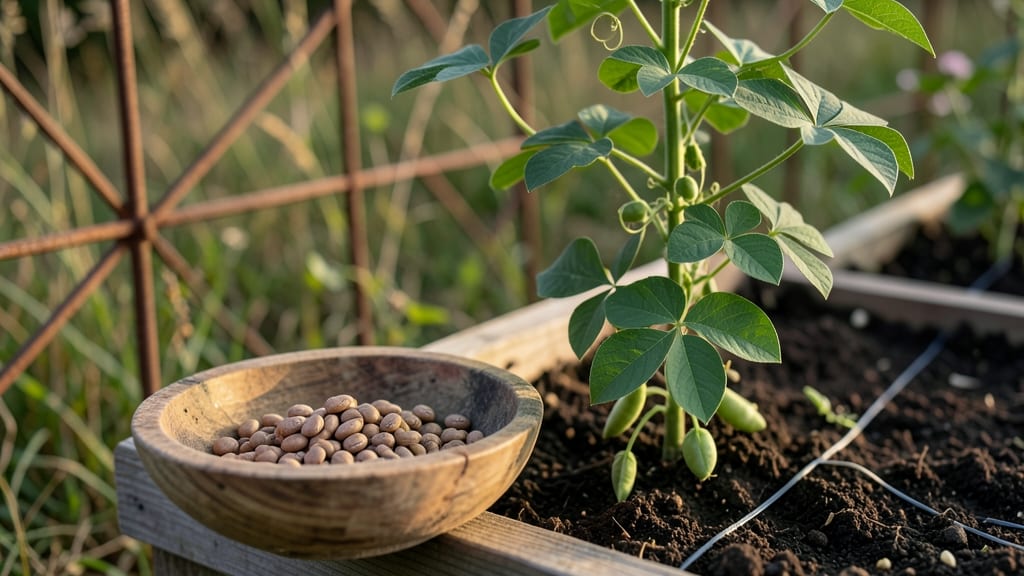
Seeds that should not be soaked before planting include hard-coated varieties like peas, beans, and some wildflower seeds, as well as delicate seeds such as poppies, foxgloves, and lettuce, which can rot or lose viability when overhydrated. Always check seed packaging for specific instructions.
Some seeds have protective layers that prevent water absorption, like the tough outer shells of peas and beans.
When you soak these, you risk breaking down their natural defenses, which can lead to mold or premature sprouting before they're even in the soil. 🌱 Delicate seeds like lettuce and poppies are especially vulnerable—their thin membranes can't handle prolonged moisture, causing them to swell and split.
I've learned the hard way that even a few extra hours of soaking can turn a healthy seed batch into a mushy mess.
Instead of soaking, try gentle methods like scratching the seed coat with sandpaper or nicking it with a knife for hard-coated varieties. For delicate seeds, direct sowing at the right depth and moisture level often works best.
Always follow the seed packet's guidelines—those tiny details make all the difference between a thriving garden and wasted effort.
💡 In This Article
- Why Soaking Damages Certain Seed Types
- Safe Alternatives for Pre-Treating Problematic Seeds
Why soaking damages certain seed types
The problem with soaking seeds like peas, beans, or wildflowers starts with their hard seed coats. These protective layers, often called testas, are designed to resist water absorption until conditions are perfect for germination.
When you soak them, you force water through these barriers, which can cause the seed to imbibe too quickly—leading to uneven or failed sprouting. For example, a pea seed's coat is so tough that it can take 24-48 hours of moist stratification (not soaking) to soften naturally. 🔥
Delicate seeds like poppies and lettuce face an opposite but equally dangerous issue: their thin, porous shells can't handle prolonged moisture. When submerged, these seeds swell rapidly, often bursting their membranes. The embryo inside becomes waterlogged, leading to anaerobic conditions (lack of oxygen) that trigger fungal growth.
I've seen lettuce seeds turn from crisp white to slimy gray in just 6 hours of soaking—completely unusable. The risk escalates in warm environments where bacterial activity accelerates.
Another hidden danger is premature germination. Seeds like foxgloves may sprout while still in your soaking container, leaving them vulnerable to root rot or desiccation when transplanted. Their energy reserves are designed for gradual soil absorption, not forced hydration.
Even worse, some seeds develop chemical imbalances when soaked, where enzymes meant for soil-based breakdown activate too early, creating toxic byproducts that kill the embryo.
Consider the science: A seed's osmotic pressure regulates water intake. Hard-coated seeds have evolved to maintain this balance—soaking disrupts their natural timing.
For instance, a bean seed might need 3-5 days of controlled moisture to soften its coat, while soaking for 12 hours can trigger 40% viability loss due to oxygen deprivation. The key is patience—nature's timing is precise, and we often rush it.
Visual clues can help identify risky seeds: Look for glossy, thick shells (like peas) or paper-thin membranes (like poppies). These traits signal whether a seed needs protection from water or is already vulnerable to it. Always cross-reference with seed packets—many specify "no pre-soaking" warnings for these exact reasons.
What most gardeners miss is how temperature compounds the problem. Warm water (70°F+) accelerates damage in delicate seeds by 2-3x compared to cool water (60°F).
That's why some seed companies recommend room-temperature soaking for only 4-6 hours max—even then, it's often safer to skip it entirely for these varieties. 💫