
Lawn
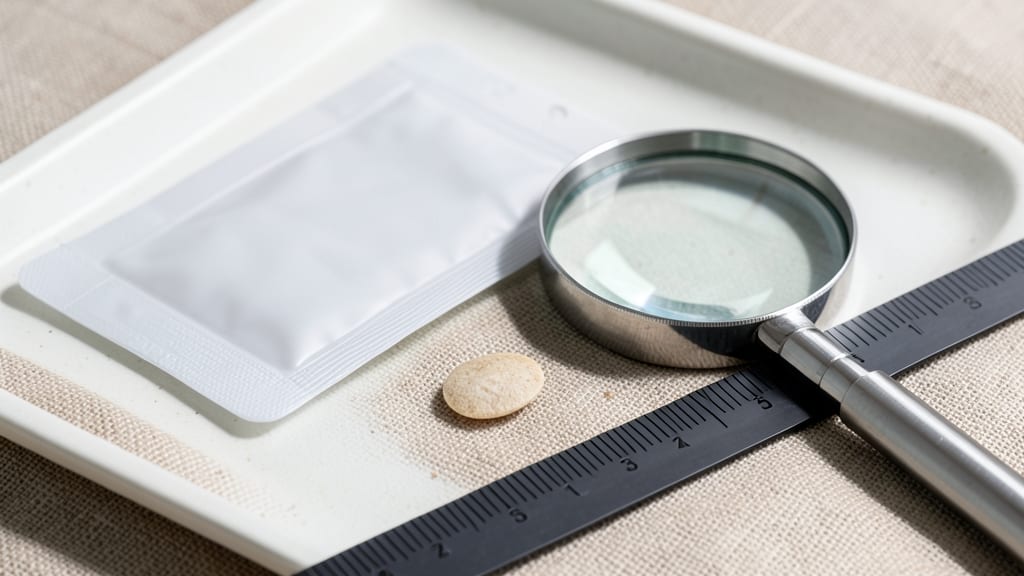
Tomato seeds look like tiny, oval-shaped specks with a pale yellow, cream, or white color and a small white "eye" that marks where the sprout will emerge 🍅.
If you’ve ever wondered what’s hidden inside that juicy tomato you just bit into—or why some seeds look different from others—you’re about to discover the fascinating world of tomato seeds, starting with their tiny, unassuming appearance.
Most tomato seeds measure about 1/8 inch long (roughly the size of a grain of rice), but their subtle differences—like the shape of the hilum (the "eye")—can reveal whether they’re heirloom or hybrid varieties.
Below, I’ll break down how to spot healthy seeds, whether they need preparation before planting, and how to compare them to common objects for size reference.


Identifying tomato seeds: shape, size, and color variations
Tomato seeds are tiny but fascinating—each one holds the potential for a thriving plant. When you crack open a tomato, you’ll find flat, oval seeds embedded in a gelatinous pulp.
These seeds are usually 1/8 to 1/4 inch long, about the size of a grain of rice or slightly smaller than a sesame seed.
Their dimensions can vary slightly depending on the tomato variety and growing conditions, but they’re consistently small enough to fit comfortably on a dime.
Most tomato seeds are creamy white or pale yellow when fresh, though heirloom varieties may have slight color variations. The seed coat is smooth but slightly wrinkled or textured, giving them a delicate, almost translucent appearance.
One of the most striking features is the dark hilum (or "eye")—a tiny spot that marks where the seed was attached to the plant. This hilum is crucial because it indicates germination potential; healthy seeds have a well-defined, dark spot.
The hilum’s color can range from deep brown to black, depending on the tomato type. Hybrid seeds often have a darker, more pronounced hilum compared to heirloom seeds, which may appear lighter. This difference isn’t just cosmetic—it’s a clue about the seed’s viability and genetic stability.
For example, heirloom seeds might have a softer, less defined hilum, while hybrid seeds are bred for consistency, so their hilums are more uniform.
If you’ve ever compared seeds from a store-bought tomato to those from a homegrown heirloom, you might notice a difference in seed coat thickness. Hybrid seeds often have a thinner, more delicate coat, while heirloom seeds can feel slightly thicker and more robust.
This isn’t just about appearance—it affects how easily the seed absorbs water during germination. Thicker-coated seeds may take a little longer to sprout, but they’re often more resilient once they do.
Another key detail is the gelatinous coating that surrounds fresh tomato seeds. This pulp is a natural fungicide and moisture retainer, protecting the seeds from drying out or rotting.
When you’re preparing seeds for planting, you’ll want to rinse off this pulp to avoid mold, but don’t discard it—it’s a sign your seeds are fresh and healthy. If the pulp is dried or crumbly, the seeds may have been stored improperly or are older.
For gardeners who love experimenting, seed color can hint at the tomato’s flavor profile. Lighter-colored seeds often come from tomatoes with sweeter, more complex flavors, while darker seeds might indicate a tart or acidic variety. Of course, this isn’t a rule—always taste-test your tomatoes!
But it’s a fun way to predict characteristics before planting. For example, seeds from a Brandywine tomato (a popular heirloom) are usually creamier and larger than those from a Cherry Roma, reflecting their different growth habits.
One common question is whether tomato seeds need any pre-treatment before planting. Unlike some seeds, tomatoes don’t require scarification or stratification, but they do need to be fully dried and cleaned.
After extracting seeds from the pulp, lay them on a paper towel in a warm, dry place for 3–5 days. This drying process ensures they won’t mold in the soil and gives you a chance to inspect their color and hilum for signs of viability.
Pro tip: If you’re saving seeds from your garden, focus on fully ripe tomatoes for the best results. Green or partially ripe tomatoes may produce seeds that don’t germinate well because their development wasn’t complete.
Once dried, store your seeds in a cool, dark place in an airtight container—they can last 2–4 years under ideal conditions,
How to extract and inspect tomato seeds for germination success
Extracting and inspecting tomato seeds is the first step to growing your own plants from scratch. Whether you're saving seeds from heirloom tomatoes or preparing store-bought varieties, proper handling ensures strong germination rates. The process involves removing seeds from the fruit, cleaning them thoroughly, and testing their viability before storage.
Start by selecting ripe but not overripe tomatoes—they should yield slightly when gently squeezed. Cut the tomato in half lengthwise and use a spoon to scoop out the gel-like pulp containing the seeds.
This pulp is packed with seeds embedded in a sticky, jelly-like substance that needs to be removed before drying.
What Does a Tomato Seed Look Like?
- Shape: Tiny, oval or oblong (about 1/8 inch long or 3mm).
- Color: Creamy white to light yellow when fresh; may darken if overripe.
- Surface: Smooth with a hard, glossy seed coat and a small dark "eye" (hilum) on one end.
- Size Comparison: About the size of a pinhead or sesame seed.
- Healthy Seeds: Plump, firm, and sink in water (viable); hollow or floating seeds are infertile.
After scooping the seeds into a bowl, add water and stir gently to separate the seeds from the pulp. Let the mixture sit for 1-2 days—this fermentation process helps remove the gel and reduces the risk of mold. Stir occasionally to keep seeds submerged.
Once the gel dissolves, pour the mixture through a fine-mesh strainer or cheesecloth to capture the seeds. Rinse them under cool water to remove any remaining pulp. Spread the seeds on a paper towel or seed tray in a single layer, ensuring they don’t touch.
Place them in a warm, dry spot for 3-5 days to dry completely.
To test seed viability, fill a glass with room-temperature water and drop the dried seeds inside. Healthy seeds sink to the bottom within 15-30 minutes, while infertile seeds float.
Discard the floaters and store the viable seeds in a cool, dry place (like an airtight container with silica gel) for up to 4 years.
Properly dried and inspected seeds are ready for planting. Store them in a dark, cool location until spring, when you’ll be ready to sow them in warm soil. With this method, you’ll maximize your chances of growing robust tomato plants from seeds you’ve carefully prepared yourself.