
Lawn
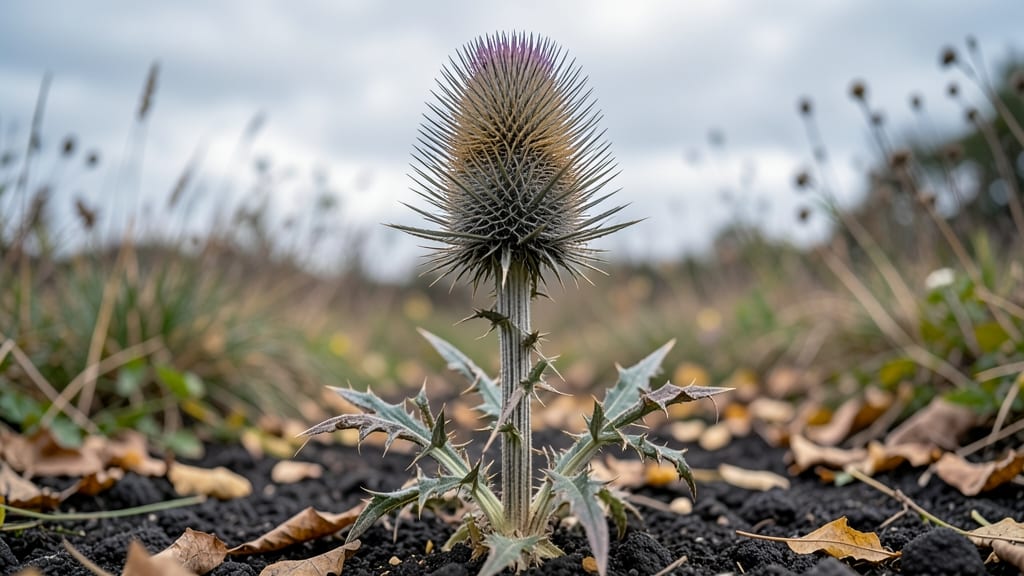
Thistle seed heads transform xeric gardens into pollinator magnets with their striking, drought-tolerant beauty. 🌿 I first fell for them when their spiky silhouettes caught the late afternoon light, drawing hummingbirds and bees like a magnet.
These aren't just survivors—they're showstoppers that thrive where other plants wilt, adding texture and movement to dry landscapes.
Their ecological superpowers don't end with drought resistance. A single thistle can support dozens of pollinators, from fuzzy bumblebees to delicate butterflies, while their seed heads provide winter interest when most gardens go dormant. The best part? They're low-maintenance—just plant, water occasionally, and watch them become the garden's star attraction.
You'll love how effortlessly they elevate arrangements, whether dried in bouquets or left standing in the garden. Their rustic charm works in everything from wildflower meadows to modern containers, and they pair beautifully with succulents and ornamental grasses.
The secret to their lasting appeal? Their ability to look stunning in every season.
Perfect for native plant gardens, pollinator-friendly landscapes, or even as cut flowers that last for months. Here's how to make the most of their natural beauty without the fuss—because sometimes the best gardens require the least effort to look their best.
📚 In This Guide
- What you need
- Instructions
- Tips and common mistakes
- Wrapping up and next steps
What you need
- ● Thistle seed heads: Collect from native species like Cirsium or Carduus (ensure they’re non-invasive in your region). Aim for 10–20 seed heads per 100 sq. ft. for optimal pollinator appeal.
- ● Well-draining soil: Mix 50% native soil with 30% coarse sand and 20% compost (for moisture retention without sogginess).
- ● Mulch: Use 1–2 inches of gravel or decomposed granite to suppress weeds and retain heat.
- ● Garden gloves (heavy-duty, for prickly seed heads!)
- ● Hand trowel or small shovel (for planting)
- ● Watering can with a fine rose nozzle (or drip irrigation kit for efficiency)
- ● Pruners or shears (for harvesting or trimming spent blooms)
- ● Pollinator-friendly companions: Pair with yarrow, blanket flower, or lupine for a thriving ecosystem.
- ● Egg cartons or seed-starting trays (if propagating from seed).
- ● Bird netting (to protect seed heads from early foraging).
Step-by-Step guide to cultivating thistle seed heads for pollinator gardens
Here’s how to harness thistles’ natural resilience for a stunning, low-maintenance pollinator haven.
🌱 Step 1: Select and Prepare the Planting Site
Thistles thrive in full sun (6+ hours daily) and well-draining soil—the drier, the better. I always choose areas with poor, rocky, or sandy soil where other plants struggle, as thistles’ deep taproots make them drought-proof once established. Clear any competing vegetation within a 3-foot radius to give roots room to spread.
Test drainage by digging a 6-inch hole and filling it with water. If it drains in under an hour, the site is perfect. Amend heavy clay with coarse sand or gravel if water pools. Thistles despise soggy roots, so elevation is key—plant on slopes or raised beds if your yard floods easily.
🌿 Step 2: Plant Seed Heads or Transplants at the Right Time
For direct sowing, scatter seed heads in early spring (after last frost) or late summer (6-8 weeks before first frost). Press them ½ inch deep into the soil—no need to cover heavily, as thistle seeds need light to germinate. Space clusters 18-24 inches apart to allow mature plants to reach their full 3-5 foot height without crowding.
If using transplants, dig holes twice as wide as the root ball to encourage root spread. Water deeply before planting to settle the soil, then backfill with native soil (no amendments needed). Thistles resent disturbance, so handle roots gently—rough treatment stresses them and delays flowering.
☀️ Step 3: Water Sparingly and Let Nature Take Over
Water only once after planting (unless rainfall is scarce for 2+ weeks). Thistles store moisture in their deep roots and will not survive overwatering. After establishment, let them fend for themselves—they’re built for drought. You’ll know they’re thriving when new rosettes appear in spring without supplemental water.
Mulch lightly with straw or gravel to suppress weeds, but avoid organic mulch that retains moisture. Weeds compete for resources, so pull them by hand when young. Thistles grow fast—first flower stalks emerge in 60-90 days—so stay vigilant in their early months.
✂️ Step 4: Prune Strategically to Encourage Pollinator Visits
Deadhead spent seed heads in late fall to tidy the garden, but leave at least 20% standing for overwintering insects. Cut back ⅓ of the plant in early spring to stimulate new growth. Avoid heavy pruning—thistles regenerate slowly, and aggressive cuts weaken the taproot.
Watch for butterflies and bees clinging to the fuzzy seed heads in late summer. These plants are a magnet for monarchs, bumblebees, and native wasps. If you notice fewer visitors, your plants may need more sun—thistles wilt in shade and produce fewer flowers.
🪴 Step 5: Propagate and Expand Your Thistle Colony
Dig up root cuttings in early spring by severing a 4-inch section of the taproot with a knife. Plant these 2 inches deep in prepared soil. They’ll establish in 1-2 years, but patience pays off—each cutting produces a full-sized plant with minimal care.
Let some seed heads self-sow for a naturalized look. Thistles spread aggressively but stay contained in dry soils. If they encroach, dig up unwanted shoots in early spring before they take root. With time, your garden will become a self-sustaining pollinator oasis requiring almost no intervention.
Tips & tricks for cultivating thriving thistle seed heads
These game-changing insights will help you transform your garden into a buzzing pollinator paradise with minimal effort.
Site Selection Wisdom: The key to successful thistle cultivation lies in embracing their native habitat preferences. In Step 1, when choosing your planting site, prioritize areas with full sun exposure—these hardy plants need at least 6 hours of direct sunlight daily to reach their full pollinator-attracting potential. I've found that south-facing slopes or raised beds provide the perfect combination of sunlight and natural drainage that thistles crave. The deep taproots they develop in well-draining soil make them incredibly drought-resistant once established, but proper site selection from the start prevents future struggles with waterlogged conditions.
Planting Precision: When following Step 2's planting instructions, pay special attention to the ½-inch depth for seed heads—this shallow placement is crucial because thistle seeds require light to germinate. I've learned the hard way that burying them too deeply results in poor germination rates. For transplants, the technique of digging holes twice as wide as the root ball creates the ideal environment for root spread, which is essential for establishing strong, resilient plants that can support those iconic fuzzy seed heads pollinators adore. Handle those taproots with care—they're delicate and resent disturbance.
Pollinator Magnet Strategy: In Step 4, when pruning strategically, remember that 20% of your seed heads should remain standing year-round to provide overwintering habitat for beneficial insects. I've noticed that leaving these seed heads creates a vital food source during winter months when other plants have died back. The fuzzy seed heads aren't just beautiful—they're packed with seeds that provide nourishment for insects emerging from dormancy. This simple practice transforms your garden from a seasonal pollinator stop into a year-round ecosystem.
Pro Tips for Thistle Seed Heads
- These game-changing insights will help you transform your garden into a buzzing pollinator paradise with minimal effort.
- Site Selection Wisdom: The key to successful thistle cultivation lies in embracing their native habitat preferences.
- Planting Precision: When following Step 2's planting instructions, pay special attention to the ½-inch depth for seed heads—this shallow placement is crucial because thistle seeds require light to germinate.
Frequently asked questions
Got questions about working with thistle seed heads in your xeric garden? You’re not alone! Here are some of the most common queries—plus straightforward answers to help you grow like a pro.
How do I collect thistle seed heads for propagation?
Harvest seed heads when they’re fully brown and dry (usually late summer to fall). Use clean pruners to snip the heads, then place them in a paper bag to dry for 1–2 weeks. Shake gently to release seeds—wear gloves to avoid prickles! Store seeds in a cool, dark place until spring planting.
When is the best time to plant thistle seeds?
Sow seeds in early spring (after the last frost) or late fall for overwintering. Thistles thrive in poor soil and need minimal water—just ensure the ground isn’t frozen. Direct-sow seeds ¼ inch deep; they germinate best in full sun with well-draining soil.
Are thistle seed heads harmful to pollinators?
Not at all! Thistles are pollinator magnets—bees, butterflies, and birds adore their nectar and seeds. The prickly heads protect seeds from pests, making them a low-maintenance food source. Just avoid spraying pesticides near them!
What are good alternatives if thistles are too prickly?
If handling seed heads is tricky, try these drought-tolerant pollinator favorites:
- Blanket flower (Gaillardia) – Bright blooms, easy to deadhead
- Russian sage (Perovskia) – Silvery foliage, no prickles
- Yarrow (Achillea) – Fern-like leaves, long bloom time
Why aren’t my thistle seed heads producing seeds?
Check these common issues:
- Lack of pollinators – Hand-pollinate with a brush if bees are scarce.
- Overcrowding – Thin plants to 12–18 inches apart for better airflow.
- Poor soil – Thistles tolerate dry conditions but need some nutrients. Amend with compost if growth is stunted.
Wrapping up and next steps
Thistle seed heads are a game-changer for drought-resistant gardens, offering stunning beauty and critical support for pollinators while thriving in dry conditions. Their low-maintenance nature and bold, architectural appeal make them a must-have for any xeric landscape—whether you're a seasoned gardener or just starting out. 🌵✨
Ready to transform your garden? Start small—plant a few seed heads this season and watch your space bloom with life and color. Need inspiration? Sketch a layout or consult local nurseries for drought-tolerant companions to pair with your thistles!