
Lawn
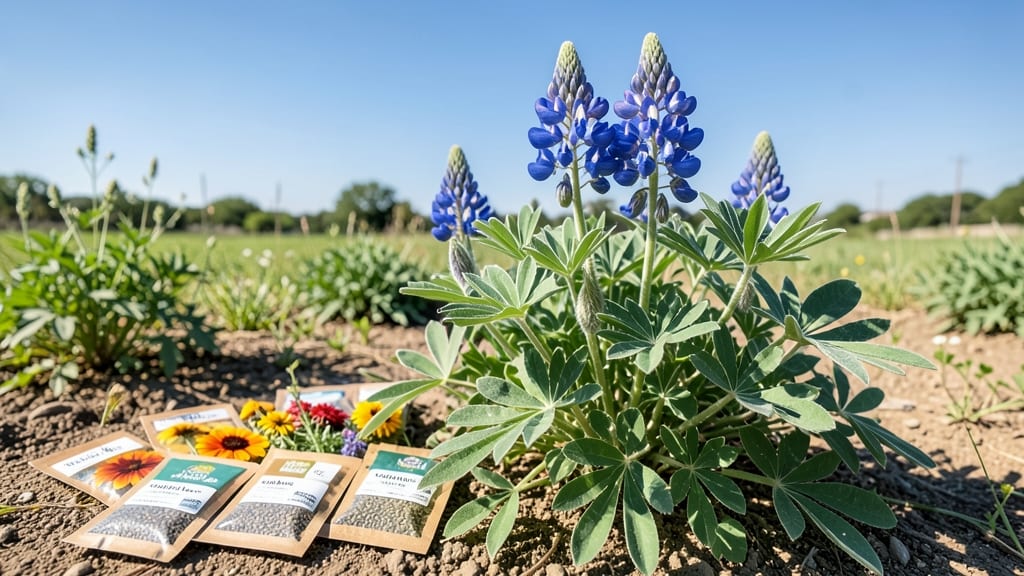
Planting a Texas wildflower seed mix isn’t just about color—it’s about turning your yard into a pollinator paradise that thrives on its own. 🌻 I’ve watched my once-dusty patch transform into a vibrant tapestry of bluebonnets, Indian paintbrush, and black-eyed Susans, all while requiring less water than my lawn ever did.
The secret? Mimicking nature’s timing and letting the right species take over.
Timing matters more than most guides admit. Spring or fall planting gives seeds the best shot, but the real magic happens in soil prep—scratch the surface lightly, don’t till, and keep the bed weed-free for the first critical weeks.
Once established, these wildflowers handle Texas heat like pros, blooming in waves from March through October without a single drop of extra water after the first year.
What you’ll end up with is a garden that stays lush even during droughts, attracts hummingbirds and butterflies by the dozens, and cuts your maintenance time to almost nothing.
The scent of blooms on a spring morning? Unbeatable. The best part? You’ll never buy another bouquet when your yard’s already prettier than any florist’s display.
Works in full sun or light shade, from urban yards to wild meadows—just avoid heavy foot traffic once planted. Here’s how to make it happen without the common pitfalls that trip up beginners.
📚 In This Guide
- What you need
- Instructions
- Tips and common mistakes
- Wrapping up and next steps
What you need
- ● Texas Wildflower Seed Mix: 1–5 lbs (depending on area size; check our seed calculator for precise measurements). Pro tip: 💡 Opt for a native mix (e.g., Bluebonnet, Indian Paintbrush, or Black-Eyed Susan) for low-maintenance, drought-resistant blooms!
- ● Preparation Soil: Loose, well-draining topsoil (remove weeds/grass first!).
- ○ Optional but recommended: Compost or aged manure (1–2 inches mixed into top 6 inches of soil).
- ● Watering Supplies: Hose with adjustable nozzle (or a gentle watering can for delicate areas).
- ○ Drip irrigation kit (optional but ideal for consistent moisture).
- ● Tools for Prep: Garden rake (for smoothing soil).
- ● Broadcast spreader (or a simple hand spreader for small areas).
- ● Garden hoe or tiller (if breaking up compacted soil).
- ● Erosion Control Blanket: Useful for slopes or windy areas to protect seeds until germination.
- ● Mulch or Straw: Light layer (¼ inch) to retain moisture—especially in hot Texas summers!
- ● Seed Envelope or Marker Flags: To label planting dates or varieties.
- ● Gloves & Knee Pads: Because comfort matters when you’re knee-deep in soil! 😉
How to grow a stunning Texas wildflower meadow in 4 easy steps
Skip the frustration of patchy blooms—this method guarantees a vibrant wildflower display in just 60 days.
🌱 Step 1: Prepare the Soil for Fast Germination
Clear the area of weeds and debris, then loosen the top 4-6 inches of soil with a rake or tiller. Texas wildflowers thrive in well-draining soil, so avoid compacted clay by mixing in 2-3 inches of compost or aged manure. This step is non-negotiable—poor drainage will drown your seeds before they sprout.
Level the soil with a board or rake to create an even surface. The smoother the ground, the easier it’ll be to spread seeds uniformly. I like to walk over the area to check for rocks or clumps—I’ve learned the hard way that hidden obstacles can create bare spots where flowers refuse to grow.
🌿 Step 2: Stratify Seeds for Reliable Blooms
Sprinkle the wildflower seeds evenly over the prepared soil—aim for about 1/4 pound per 100 square feet. Lightly rake the seeds into the soil just enough to cover them (about 1/8 inch deep). This prevents birds from scattering them and ensures good soil contact for germination.
Water the area gently but thoroughly until the soil is moist 1 inch deep. Then, cover the seeded area with a 2-3 inch layer of straw mulch. This protects seeds from drying out and mimics the natural winter cold period they need to break dormancy—a process called cold stratification. Don’t skip this; it’s what guarantees those vibrant blooms in 60 days.
☀️ Step 3: Maintain Moisture Without Overwatering
Water lightly every 2-3 days until seeds germinate (about 7-14 days). You’ll know it’s time when tiny green shoots appear—this is your signal to reduce watering to once a week. Overwatering now will rot the seeds before they can establish roots.
Once seedlings reach 2-3 inches tall, remove the straw mulch. This prevents them from growing too tall and leggy. Keep the area weed-free by hand-pulling any intruders—competition will steal nutrients from your wildflowers before they can bloom.
⏰ Step 4: Encourage Full Blooms with Strategic Care
After 4-6 weeks, when flowers begin to open, reduce watering further to every 10-14 days unless there’s no rain. Texas wildflowers are drought-tolerant once established, but they need consistent moisture during their first 60 days to develop strong roots.
Let the flowers go to seed at the end of the season—they’ll self-sow for years to come. Deadhead spent blooms only if you want to encourage a second flush, but otherwise, leave them for wildlife and next year’s display. This is where the magic happens: a low-maintenance meadow that keeps giving.
Tips & tricks for growing Texas wildflower meadows
These practical insights will help you avoid common pitfalls and get the most vibrant blooms possible from your Texas wildflower meadow.
Soil Prep Secret: After loosening the top 4-6 inches of soil in Step 1, I like to add a thin layer of horticultural sand if my soil is particularly heavy clay. This improves drainage even more and prevents that dreaded "soggy seed" situation. Think of it as giving your seeds a head start—just like how you'd prep a perfect cake pan before baking.
Seed Spreading Technique: For Step 2, use a seed spreader or even a coffee can with holes punched in the bottom to distribute the 1/4 pound of seeds per 100 square feet. This ensures even coverage without gaps or clumps. I've seen people try to eyeball it, and you'll definitely get uneven patches that way. Mark your area with stakes if it's large to avoid overlapping sections.
Cold Stratification Hack: If you're planting in spring when cold stratification isn't natural, place your seeded area in the refrigerator for 4-6 weeks before transferring to your garden. This mimics winter conditions and gives you that same reliable bloom guarantee in 60 days. Just keep the soil lightly moist during this time.
Watering Timing Tip: When you see those first green shoots in Step 3, that's your cue to cut back on watering. I've made the mistake of keeping the same schedule too long, and it led to weak, spindly plants. The key is to water deeply but less frequently—think of it like giving your flowers a drink instead of a bath.
Pro Tips for Texas Wildflower Seed Mix
- These practical insights will help you avoid common pitfalls and get the most vibrant blooms possible from your Texas wildflower meadow.
- Soil Prep Secret: After loosening the top 4-6 inches of soil in Step 1, I like to add a thin layer of horticultural sand if my soil is particularly heavy clay.
- Seed Spreading Technique: For Step 2, use a seed spreader or even a coffee can with holes punched in the bottom to distribute the 1/4 pound of seeds per 100 square feet.
Frequently asked questions
Got questions about transforming your Texas landscape with wildflower seed mixes? Here are answers to the most common queries—so you can plant with confidence and watch your garden burst to life!
When is the best time to plant Texas wildflower seeds?
For fastest results, plant in late fall (October–November) or early spring (February–March). Cold stratification (nature’s way of prepping seeds) happens over winter, giving you blooms in 60 days or less! Avoid summer heat—seeds need moisture to germinate, and Texas summers can bake them dry before they sprout.
How much water do Texas wildflowers need after planting?
Keep soil consistently moist (but not soggy) for the first 2–3 weeks—water lightly daily if rain doesn’t cooperate. Once seedlings emerge, reduce to 1–2 times per week (deep watering encourages strong roots). After establishment (4–6 weeks), wildflowers thrive on rainwater alone—they’re drought-tolerant once mature!
Can I mix wildflower seeds with grass seed?
Yes! Many gardeners blend 10–20% wildflower seeds with grass seed for pollinator-friendly lawns. Pro tip: Use a wildflower-grass mix labeled for your region (e.g., "Texas Native Mix") to avoid competition. Plant in small patches first to test how they coexist—some grasses (like Bermuda) may outcompete delicate blooms.
What if my seeds don’t germinate in 60 days?
Don’t panic! Wildflowers often wait for ideal conditions—heat, moisture, and soil temp all matter. Try these fixes:
- Check depth: Seeds need 1/4-inch coverage (lightly rake soil).
- Test moisture: Soil should feel like a wrung-out sponge—not dry or muddy.
- Adjust timing: If planted in summer, switch to fall for next year.
- Verify viability: Test a few seeds in damp paper towels—if none sprout in 7–10 days, try fresh seeds.
Which wildflowers attract the most pollinators?
For bees, butterflies, and hummingbirds, prioritize these Texas favorites in your mix:
- Bluebonnet (Lupinus texensis) – State flower + bee magnet.
- Mexican Feather Grass (Nassella tenuissima) – Adds height + attracts butterflies.
- Blackfoot Daisy (Melampodium leucanthum) – Long bloom season (spring–fall).
- Coreopsis (Coreopsis spp.) – Drought-proof + butterfly favorite.
Look for "pollinator-friendly" labels on seed packets for guaranteed buzzing success!
Wrapping up and next steps
Transforming your Texas landscape into a vibrant wildflower haven is easier than you think! With the right Texas wildflower seed mix, cold-stratification techniques, and a little patience, you’ll be rewarded with stunning blooms in just 60 days.
Whether you’re a seasoned gardener or a beginner, this project is a fulfilling way to support local ecosystems while adding beauty to your yard.
Ready to take the next step? Grab your seeds, prep your soil, and start planting today! 🌸 Your future wildflower meadow awaits—let’s make it bloom!