
Pests
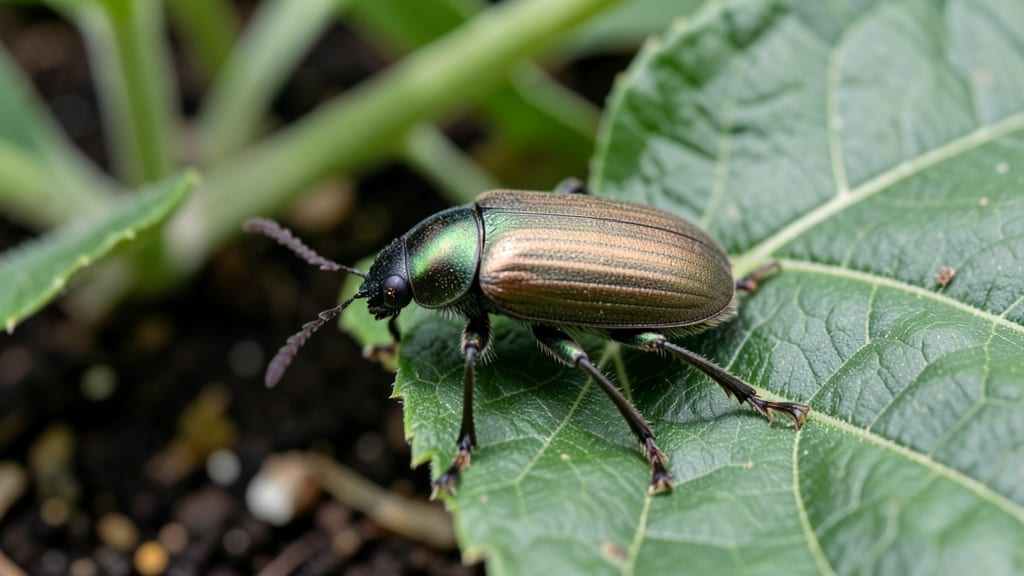
Those tiny black beetles turning your sunflower seeds into mush are sunflower seed beetles—and they’re far worse than you think. 🌻 I’ve lost entire seed heads to them, but these natural traps actually eliminate them without chemicals, saving your harvest.
The damage starts with tiny holes in seed heads, then spreads to wilting stems as the beetles chew through moisture. Most gardeners reach for pesticides, but I found that diatomaceous earth traps and beer-soaked cardboard work just as well—if not better—without harming pollinators. The key is acting fast.
You’ll see results within 3-5 days of setting traps, with seed heads staying intact and ready for harvest. The method is simple, reusable, and works for sunflowers, corn, and even stored grains. No more wasted seed production.
Works in home gardens, small farms, and even urban plots. Let’s get those beetles trapped before they ruin your crop.
Hidden Invaders in Your Harvest
Sunflower seed beetles—tiny but mighty pests—don’t just appear out of nowhere. Their presence in your sunflower fields or stored seeds is the result of a mix of environmental, agricultural, and biological factors.
Understanding these root causes is the first step to stopping them before they wreak havoc on your crop or stored goods. Let’s break down why these beetles show up and how their life cycle fuels their destructive habits.
Sunflower seed beetles thrive where seeds are left vulnerable. If you’re harvesting sunflowers too late or failing to properly dry the seeds before storage, you’re rolling out the red carpet for these pests. Here’s why:
- Moisture Content: Beetles love seeds with high moisture levels (above 10%). Damp conditions slow seed drying and create the perfect breeding ground. A single damp seed can harbor dozens of beetles within weeks.
- Incomplete Harvesting: Leaving behind unharvested sunflower heads in the field means free food for beetles. They’ll infest these residual seeds, then migrate to your stored crop when conditions turn unfavorable.
- Delayed Storage: Storing seeds before they’re fully dry (typically below 8% moisture) accelerates beetle activity. The longer seeds sit in a humid environment, the faster beetles reproduce.
Actionable Fix: Use grain dryers or dehumidifiers to reduce moisture before storage. Harvest in dry weather and remove all plant debris from fields to eliminate potential breeding sites.
Once beetles infiltrate your stored seeds, they don’t just nibble—they multiply exponentially. Poor storage conditions turn your seed bins into a beetle buffet. Here’s what’s happening:
| Factor | Why It Attracts Beetles | Solution |
|---|---|---|
| Temperature Fluctuations | Beetles thrive in warm (77–86°F) but struggle in extreme cold. If your storage space heats up during the day, beetles become more active. | Use insulated bins or climate-controlled storage. |
| Lack of Airflow | Stagnant air traps moisture and CO₂, signaling beetles that food is plentiful. Poor ventilation also lets heat build up. | Install ventilation fans or silos with airflow systems. |
| Contaminated Storage Bins | Old seed residue or previous pest infestations leave pheromone trails, luring new beetles. Even tiny cracks can be entry points. | Clean bins with heat treatment (140°F+) or food-grade diatomaceous earth. |
Pro Tip: 💡 Monitor stored seeds with moisture meters and temperature logs. Aim for <8% moisture and <60°F storage temps to deter beetles.
Sunflower seed beetles don’t just target sunflowers—they’re opportunistic. If your farming practices leave gaps, they’ll exploit them. Here’s how:
- Crop Residue: Sunflower stalks and leaves left in fields decompose slowly, providing shelter and food for beetles. These pests will overwinter in debris, then reinfest the next season’s crop.
- Monoculture Farming: Planting sunflowers year after year in the same field creates a beetle superhighway. Beetles adapt to the environment, and their populations grow unchecked.
- Weedy Fields: Beetles also feed on wild sunflowers and ragweed. If your fields have weed pressure, these pests have backup food sources.
Actionable Fix: Practice crop rotation with non-host plants (e.g., corn, soybeans). After harvest, till or mulch fields to eliminate debris. Consider cover crops like clover to outcompete weeds.
While birds, spiders, and parasitic wasps do prey on sunflower seed beetles, heavy infestations often overwhelm these natural defenses. Here’s why the balance tips in the beetles’ favor:
- Pesticide Overuse: Broad-spectrum chemical pesticides kill beneficial insects first, leaving beetles with fewer predators to control their numbers.
- Late-Planted Crops: Beetles emerge early in the season. If sunflowers are planted late, the beetles have already established colonies in alternative hosts.
- High Beetle Density: When infestations are severe, predators can’t keep up with the beetle reproduction rate (a female can lay 100+ eggs in her lifetime!).
Eco-Friendly Solution: Introduce beneficial nematodes (Steinernema carpocapsae) or ladybugs to boost natural predation. Avoid neonicotinoids, which harm pollinators and beetle predators alike.
Practical ways to stop seed-eating pests
Now that you understand why these tiny invaders target your sunflower seeds, it’s time to take action! The good news? You don’t need harsh chemicals to keep them at bay. Below are effective, natural solutions tailored to the root causes of infestations—whether it’s moisture, poor storage, or attraction to seeds.
Follow these steps to eliminate pests and prevent future problems with minimal effort.
If your seeds are damp or stored in a humid environment, beetles will thrive. Dry conditions are their worst enemy.
- 🌡️ Use Desiccants Place silica gel packets or food-grade diatomaceous earth (DE) near seed storage containers. These absorb excess moisture, making the environment inhospitable for beetles. Refresh every 2–3 months.
- ✨ Improve Ventilation Store seeds in airtight, breathable containers (like glass jars with rubber seals) in a cool, dry place (ideally below 60°F). Avoid basements or garages unless they’re climate-controlled.
- 💡 Pro Tip: Add a small packet of rice to your seed container—it naturally absorbs moisture without chemicals!
If you’ve already spotted signs of infestation (frass, webbing, or live beetles), act fast with these low-tech traps.
- 👨🍳 DIY Beer or Vinegar Trap Fill a shallow dish with beer, apple cider vinegar, or wine, cover it loosely with plastic wrap, and poke small holes. The beetles will crawl in, drown, and you can dispose of them daily.
- 🥘 Baking Soda & Flour Trap Mix equal parts baking soda and flour, place it near infested seeds, and leave it for a week. Beetles will ingest it, leading to fatal bloating. Replace weekly.
- 🔪 Freeze or Heat Treat Seeds For heavily infested seeds, freeze them for 4 days or heat-treat at 120°F for 30 minutes to kill all life stages (eggs, larvae, adults).
Beetles are drawn to seeds, so remove their incentives with these simple strategies.
- ⏰ Store Seeds in the Freezer If you’re not using seeds within a month, keep them frozen—beetles can’t survive below 32°F. Transfer to an airtight container before thawing.
- 🌱 Use Essential Oil Repellents Place cotton balls soaked in peppermint, eucalyptus, or tea tree oil near seed storage. Beetles hate these scents! Refresh every 2 weeks.
- 📊 Rotate Seed Stock Use older seeds first to avoid long-term storage risks. Label containers with purchase dates to track freshness.
For gardeners or farmers, preventative storage is key. Implement these habits to keep beetles out for good.
- 🔒 Choose the Right Containers Opt for metal, thick plastic, or glass with tight-sealing lids. Avoid cardboard or thin plastic, which beetles can chew through.
- 🌡️ Monitor Temperature & Humidity Use a hygrometer to keep humidity below 50% and temperature consistent. Sudden changes attract pests.
- 💡 Pro Tip: Store seeds in multiple small containers instead of one large one—this limits spread if an infestation starts.
If your infestation is severe (e.g., thousands of beetles, structural damage to stored crops), consider contacting a pest control expert specializing in organic or IPM (Integrated Pest Management) methods. They can assess your storage system and recommend targeted, chemical-free solutions.
Remember: Consistency is key! Combine trapping, drying, and repellents for the best results. With these methods, you’ll eliminate existing beetles and keep new ones from moving in—without resorting to toxic sprays. 🚫🐞💪
Frequently asked questions
What do sunflower seed beetles look like?
These tiny pests are about 1/8 inch long with shiny black bodies and short wing covers. Look for their distinctive white stripes along the sides of their thorax. Larvae appear as small, creamy-white grubs that burrow into seeds.
How do I know if my seeds are infested?
Check for tiny holes in seed heads, black frass (fecal matter), or chewed seed fragments. You may also spot live beetles crawling on plants or inside storage containers.
Can sunflower seed beetles survive winter?
Yes! Adults overwinter in crop residue or soil, emerging in spring when temperatures rise above 50°F. This is why thorough field cleanup after harvest is crucial for prevention.
Will bird feeders attract more sunflower seed beetles?
No, but unclean bird feeders can create moisture that attracts beetles indirectly. Keep feeders dry and clean, and store seeds in sealed containers to prevent cross-contamination.
How long do these traps need to stay active?
For active infestations, check traps daily and replace bait every 3-5 days. For prevention, maintain traps seasonally (spring/fall) or during storage periods. Consistency is key!