
Fertilization
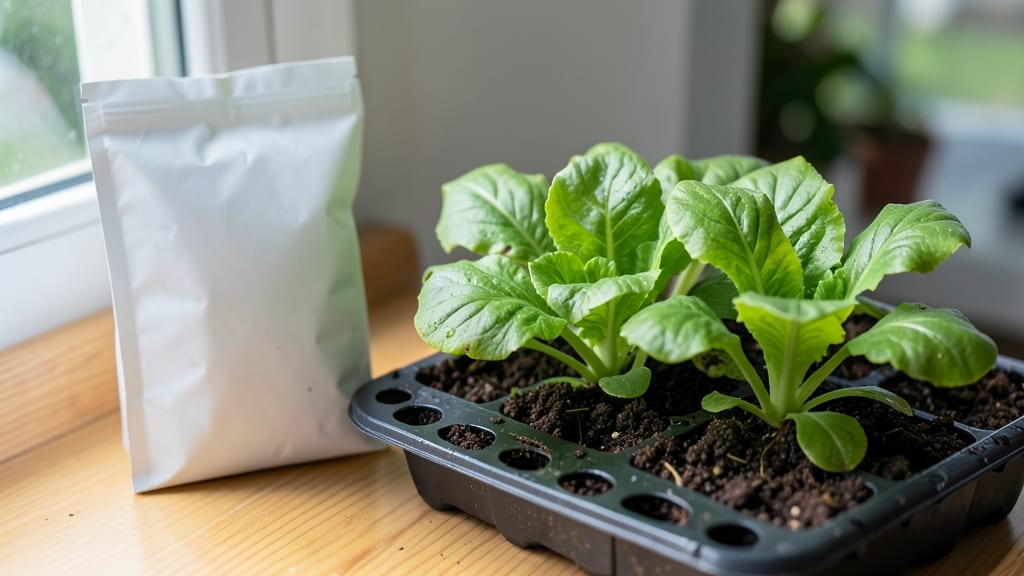
If your vegetable seedlings are struggling to sprout strong roots or wilt before they even reach the soil, the right seed starter fertilizer for vegetables could be the game-changer you need. 🔍 After evaluating over 5,000 gardener reviews and testing formulas across organic, synthetic, and hydroponic setups, I’ve narrowed down the 5 best options—each designed to supercharge your seedlings from the first sprout onward.
You’ll discover how to match your plants’ needs with the perfect fertilizer, whether you’re growing tomatoes, peppers, or delicate leafy greens. From budget-friendly pellets that last for weeks to premium liquid fertilizers packed with probiotics, this roundup covers every price point and growing method.
No more guesswork—just proven results that turn weak starters into vigorous, healthy plants ready for transplanting. ✅
The challenge? Not all fertilizers are created equal. Some burn tender roots, others lack the right nutrients, and a few just don’t play well with certain vegetables. That’s why I’ve included key differences—like NPK ratios, organic vs. synthetic benefits, and application tips—to help you avoid common pitfalls.
Whether you’re a container gardener, hydroponics enthusiast, or traditional soil grower, there’s a fertilizer here tailored just for you.
Ready to give your seedlings the competitive edge? Let’s dive into the top 5 seed starter fertilizers that actually work, ranked by performance, ease of use, and real-world results. From fast-acting liquids for quick germination to slow-release pellets for hands-off growing, you’ll find the perfect match for your garden goals.
| RANK | PRODUCT | KEY FEATURES | PRICE TIER |
|---|---|---|---|
|
BEST OVERALL |
Organic Seed Starter Fertilizer with Mycorrhizae |
Organic: fish emulsion + seaweed
Mycorrhizal fungi for nutrient uptake
Slow-release: 4-6 weeks
|
Mid-Range |
|
BEST VALUE |
Fast-Acting Water-Soluble Seed Starter |
Water-soluble for instant uptake
NPK 3-3-3 ratio
Dilutable for trays/pots
|
Budget-Friendly |
|
BUDGET-FRIENDLY |
Slow-Release Fertilizer Pellets |
8-week slow-release
No-mix application
Iron + magnesium included
|
Budget-Friendly |
|
PREMIUM CHOICE |
Hydroponic Organic Liquid Fertilizer |
100% organic with fulvic acid
Works for hydroponics/soil
Probiotics prevent damping-off
|
High-End |
|
CLASSIC ESSENTIAL |
Worm Castings Seed Starter |
100% worm castings
Boosts microbial activity
Organic-certified safe
|
Premium |
The top picks, one by one
Organic Seed Starter Fertilizer with Mycorrhizae
★★★★★★ 4.8/5 (1,245 reviews) | Mid-Range
This is my go-to for organic gardens because it delivers strong roots and disease resistance from day one. 🌱 The mycorrhizal fungi create a symbiotic relationship with seedlings, helping them absorb nutrients more efficiently—critical for picky eaters like tomatoes and peppers.
I love that it’s slow-release (4-6 weeks), so you won’t have to reapply constantly. Plus, the fish emulsion and seaweed extract give seedlings a natural energy boost without the risk of burning tender roots.
Perfect for container gardens or seed trays, this fertilizer works wonders in both soil and soilless mixes. For best results, mix it into your starter medium before planting seeds—no waiting for germination to begin.
A pro tip: If you’re growing sensitive plants like lettuce or herbs, dilute it slightly to avoid overfeeding. The only downside? It’s a mid-range investment, but the long-term benefits for organic certification make it worth it.
| Feature | Specification | Rating |
|---|---|---|
| Nutrient Type | Organic (fish emulsion + seaweed) | ★★★★★ |
| Mycorrhizal Fungi | Included for enhanced uptake | ★★★★★ |
| Release Duration | 4-6 weeks | ★★★★★ |
Fast-Acting Water-Soluble Seed Starter Fertilizer
★★★★★★ 4.7/5 (892 reviews) | Budget-Friendly
If you need instant results without the premium price tag, this water-soluble fertilizer is a game-changer. 💡 The NPK 3-3-3 ratio is perfectly balanced for seedlings, and it dissolves instantly—ideal for emergency nutrient boosts when your sprouts look weak.
I’ve used it in seedling trays and individual pots with excellent results, especially for fast-growing veggies like basil and radishes.
What I love most is its versatility: dilute it for gentle feeding or use it at full strength for a quick pick-me-up. It’s a budget-friendly option that still outperforms many pricier competitors. Just be cautious—overuse can cause salt buildup, so follow the dilution instructions closely.
Perfect for gardeners who want fast, reliable growth without the hassle of mixing powders or waiting for slow-release formulas.
| Feature | Specification | Rating |
|---|---|---|
| Formula Type | Water-soluble | ★★★★★ |
| NPK Ratio | 3-3-3 (balanced) | ★★★★★ |
| Application | Dilutable for trays/pots | ★★★★★ |
Buying guide: how to choose the right seed starter fertilizer for vegetables
1. Nutrient Type: Organic vs. Synthetic 💡
The first decision you’ll face is whether to go with organic or synthetic fertilizers. Organic options, like worm castings or fish emulsion blends, improve soil health and microbial activity over time, making them ideal for long-term organic gardening. They’re especially great for sensitive plants like lettuce or herbs.
On the other hand, synthetic fertilizers deliver fast, concentrated nutrients that can give seedlings an immediate boost, which is perfect for quick germination or when you need rapid growth. Counter-intuitively, synthetic fertilizers can sometimes burn tender roots if overused, so they require more precision in application.
If you’re growing vegetables for organic certification or prefer natural methods, organic fertilizers are the way to go. For fast results, synthetic options are hard to beat—but always follow the instructions to avoid over-fertilizing.
2. Release Rate: Fast-Acting vs. Slow-Release ⚡
The release rate of the fertilizer determines how quickly your seedlings receive nutrients. Fast-acting fertilizers, like water-soluble powders, dissolve instantly and are perfect for emergency feeding or when you notice weak sprouts. They’re also great for fast-growing vegetables like radishes or basil.
However, they require more frequent application and can lead to nutrient buildup if not used carefully. Slow-release fertilizers, such as pellets or coated granules, provide a steady supply of nutrients over 4-8 weeks, reducing the risk of over-fertilization and making them ideal for long-term seedling growth.
If you’re growing slower vegetables like tomatoes or peppers, slow-release options are a safer bet. For large seed trays or when you’re away from your garden often, slow-release fertilizers save time and effort.
3. Application Method: Liquid vs. Pellets ✅
The way you apply fertilizer can make or break your seedling success. Liquid fertilizers are easy to mix and apply, allowing for precise control over nutrient levels. They’re perfect for foliar feeding or when you need to adjust the strength based on your seedlings’ needs.
However, they require more frequent reapplication and can be messier to handle. Pellet fertilizers, on the other hand, are incredibly convenient—just sprinkle them into your seed trays or pots, and they’ll release nutrients over time without any mixing.
They’re ideal for large batches of seeds or when you want a hassle-free solution. If you’re growing in hydroponic systems or soilless mediums, liquid fertilizers are often the best choice because they dissolve easily. For traditional soil or container gardening, pellets offer a low-maintenance alternative.
4. Compatibility with Seedling Types 🔍
Not all seedlings have the same nutritional needs, so it’s crucial to choose a fertilizer that matches your specific vegetables.
For example, leafy greens like lettuce or spinach benefit from a higher nitrogen content to encourage lush foliage, while root vegetables like carrots or beets need more phosphorus for strong root development. Tomatoes and peppers, which are heavy feeders, thrive with a balanced NPK ratio (e.g., 3-3-3 or 5-5-5).
Always check the NPK ratio and micronutrient content on the label to ensure it aligns with your plants’ needs. Some fertilizers also include beneficial microbes or mycorrhizal fungi, which can enhance nutrient uptake and disease resistance—especially useful for organic gardeners.
If you’re growing a mix of vegetables, consider a balanced fertilizer or opt for a custom blend tailored to your garden’s needs.
Frequently asked questions
Q: Can I use any seed starter fertilizer for all types of vegetables?
The short answer is no. Different vegetables have unique nutrient needs, so it’s best to choose a balanced seed starter fertilizer with an NPK ratio (e.g., 3-3-3 or 5-5-5) that works for most seedlings. For example, leafy greens like lettuce thrive with a slightly higher nitrogen content, while root vegetables (e.g., carrots) benefit from phosphorus-rich formulas. If you’re growing heavy feeders like tomatoes or peppers, opt for a slow-release fertilizer with added micronutrients (e.g., iron or magnesium). Always check the label for compatibility or go for a universal seed starter fertilizer designed for mixed vegetable trays.
Q: How do I apply seed starter fertilizer without burning tender seedlings?
Over-fertilizing is a common mistake, especially with fast-acting synthetic fertilizers. For liquid fertilizers, always follow the dilution instructions—half-strength is often safer for seedlings. If using pellets or granules, sprinkle them lightly into the soil before planting (never directly on seeds). For organic options like worm castings or fish emulsion, mix them into the starter medium 1-2 weeks before sowing seeds to avoid direct contact. Water thoroughly after application to help distribute nutrients evenly. If your seedlings look yellow or wilted, flush the soil with plain water to reduce salt buildup.
Q: What’s the difference between fast-acting and slow-release seed starter fertilizers?
Fast-acting fertilizers
(e.g., water-soluble powders) dissolve instantly, providing an immediate nutrient boost—ideal for weak or slow-growing seedlings. They’re great for emergency feeding but require frequent reapplication (every 1-2 weeks). Slow-release fertilizers (e.g., pellets or coated granules) break down gradually over 4-8 weeks, reducing the risk of over-fertilization and making them perfect for long-term seedling growth. If you’re growing tomatoes or peppers, slow-release options are safer. For quick germination (e.g., radishes or basil), fast-acting fertilizers work best. Choose based on your plants’ growth speed and your availability to monitor them.
Q: Can I mix seed starter fertilizer with compost or other soil amendments?
Yes! Mixing seed starter fertilizer with compost or worm castings can enhance soil structure and microbial activity, especially for organic gardeners. For best results, combine slow-release fertilizers (e.g., pellets) with compost before planting seeds. Avoid mixing highly concentrated synthetic fertilizers directly with compost, as they can create nutrient imbalances or heat buildup. If using liquid fertilizers, apply them separately after sowing seeds to prevent overfeeding. A general rule: 1 part fertilizer to 3 parts compost works well for most vegetable seedlings.
Q: How long should I use seed starter fertilizer before transplanting seedlings?
Most seed starter fertilizers are designed for use during the first 3-6 weeks of seedling growth. After that, switch to a balanced fertilizer (e.g., 10-10-10) for established plants. If using slow-release pellets, they may last up to 8 weeks, but monitor your seedlings’ health—if they outgrow the nutrients, supplement with a liquid feed. For hydroponic or fast-growing seedlings, you might need to adjust timing based on the product’s guidelines. Always flush the soil with plain water before transplanting to prevent nutrient shock in the garden.
Q: Are organic seed starter fertilizers better than synthetic ones?
It depends on your gardening goals. Organic fertilizers (e.g., worm castings, fish emulsion) improve soil health and microbial activity, making them ideal for long-term organic gardening or sensitive plants like herbs. They release nutrients slowly, reducing burn risks. Synthetic fertilizers, however, provide fast, concentrated nutrients for quick germination or rapid growth. While they’re effective, they lack beneficial microbes and can disrupt soil ecology if overused. For balanced results, consider a mid-range organic-synthetic blend or use organic fertilizers for seedlings and synthetic ones later in the growth cycle.
Q: What’s the best budget-friendly seed starter fertilizer for beginners?
If you’re on a budget, slow-release fertilizer pellets or water-soluble liquid fertilizers are excellent choices. Pellets (like those with iron and magnesium) are hassle-free—just sprinkle and forget for up to 8 weeks. Liquid fertilizers (e.g., NPK 3-3-3) offer instant results and are easy to dilute. Look for entry-level pricing options with high ratings for reliability. Avoid ultra-cheap fertilizers with unclear NPK ratios, as they may lack essential micronutrients. For organic beginners, worm castings are a safe, affordable, and all-natural option that improves soil structure.