
Lawn
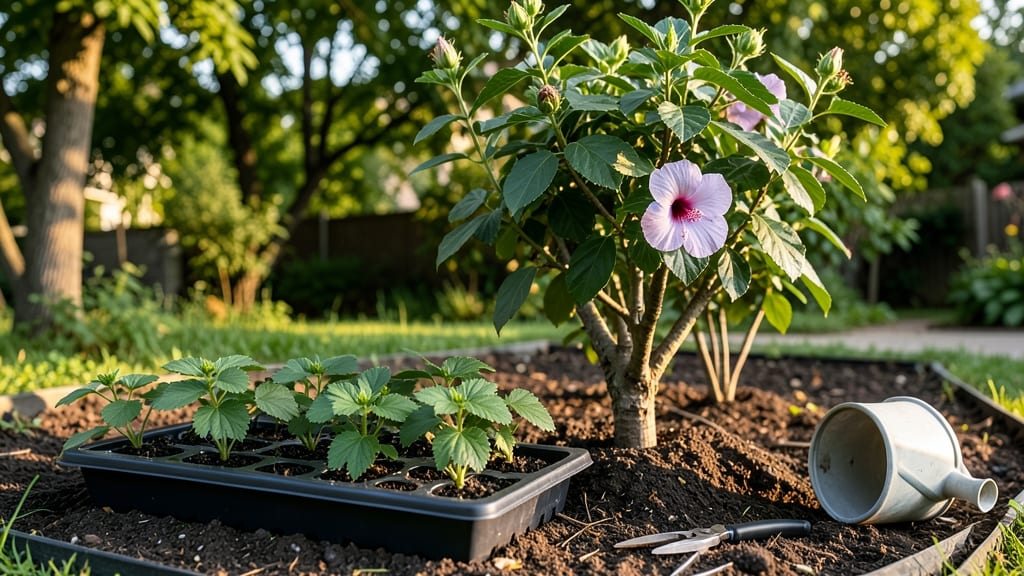
Planting Rose of Sharon seedlings in your lawn unlocks year-round color without sacrificing grass space. 🌿 I’ve turned my patchy lawn into a thriving landscape by strategically placing these cold-hardy shrubs—now I get blooms from summer through fall, with winter interest too.
The secret lies in soil prep and spacing: till the area 12 inches deep, mix in compost, and space plants 6-8 feet apart to give roots room to breathe. Grass struggles to compete once established, but a mulch ring keeps weeds at bay and moisture locked in.
You’ll see vibrant pink or white blooms by midsummer, with each plant growing 6-8 feet tall—taller than most lawns, so they become natural focal points. The key is deep watering weekly during the first year to encourage strong root systems.
This works even in small yards—just use containers for tight spaces. The trade-off? Less mowing, more curb appeal, and a garden that stays stunning when others fade. Let’s get those seedlings planted!
📚 In This Guide
- What you need
- Instructions
- Tips and common mistakes
- Wrapping up and next steps
What you need
- ● Ready to transform your lawn with Rose of Sharon seedlings? Here’s everything you’ll need to get started—whether you’re planting for the first time or expanding your garden’s charm! 🌸✨
- ● Pro tip: 💡 If your lawn has compacted soil, aerate the area 2–3 days before planting for better root establishment!
Step-by-step guide to planting Rose of Sharon seedlings in your lawn
Transform your lawn into a vibrant, low-maintenance garden with these cold-hardy shrubs.
🌱 Step 1: Choose the Right Location and Prepare the Soil
Rose of Sharon thrives in full sun to partial shade, with at least 6 hours of sunlight daily. Scout your lawn for a spot with well-draining soil—these shrubs hate soggy roots. If your lawn soil is heavy clay, amend it with 2-3 inches of compost mixed into the top 6 inches of soil. This improves drainage and nutrient availability.
Test the soil pH—ideal range is 6.0-7.0. If your soil is too acidic, sprinkle dolomitic lime as directed on the package and work it into the soil 2-3 weeks before planting. Avoid fertilizing now; fresh seedlings need time to establish roots without competing with aggressive growth.
☀️ Step 2: Plant Seedlings at the Correct Depth and Spacing
Dig holes twice as wide as the root ball but only as deep as the container. Gently remove each seedling from its pot and loosen any circling roots with your fingers. Place the seedling in the hole so the top of the root ball sits 1 inch below soil level—this prevents stem rot and encourages strong root growth.
Space seedlings 6-8 feet apart for full, lush growth. Closer spacing leads to crowded plants with fewer blooms. Backfill the hole with native soil, pressing lightly to remove air pockets. Water deeply to settle the soil around the roots, then add 2-3 inches of mulch (wood chips or shredded bark) to retain moisture and regulate soil temperature.
💧 Step 3: Water and Monitor for Establishment
Water seedlings once daily for the first 2 weeks, then taper to 2-3 times per week once new growth appears. Aim for 1 inch of water per week, delivered at the base—not overhead—to prevent fungal diseases. You’ll know watering is right when the top 2 inches of soil feel moist but not waterlogged.
Watch for new leaves emerging within 3-4 weeks—this signals successful rooting. If leaves yellow, your soil may be too wet or nutrient-deficient. Adjust watering or add a balanced fertilizer (10-10-10) lightly around the base. Avoid fertilizing heavily in the first month; it stresses young roots.
✂️ Step 4: Prune for Shape and Encourage Bushier Growth
Prune in early spring before new growth starts. Remove any dead, damaged, or crossing branches with clean, sharp shears. Cut back 1/3 of the oldest stems to the ground—this rejuvenates the shrub and stimulates fresh, vigorous growth. For a fuller shape, trim back any leggy stems by 1/2 their length.
Deadhead spent blooms in late summer to encourage a second flush of flowers. Avoid heavy pruning in fall or winter; Rose of Sharon blooms on new wood, so late cuts remove next year’s flowers. If you notice powdery mildew on leaves, prune affected branches immediately and treat with neem oil to prevent spread.
🪴 Step 5: Maintain for Year-Round Color and Health
Fertilize lightly in early spring with a slow-release granular fertilizer (10-10-10). Apply ½ cup per plant and water deeply to activate the granules. Avoid high-nitrogen fertilizers—they promote leafy growth at the expense of flowers. Mulch annually in late fall to protect roots from winter temperature swings.
Monitor for pests like Japanese beetles or spider mites. A strong spray of water in the morning often deters beetles, while neem oil controls mites. If your lawn has heavy foot traffic, stake taller seedlings for the first year to prevent bending. With proper care, your Rose of Sharon will reward you with summer-to-fall blooms for decades.
Tips & tricks for perfect Rose of Sharon seedling planting
These practical insights will help you avoid common pitfalls and maximize your shrubs' potential for stunning blooms.
Soil Preparation Secret: When amending heavy clay soil with compost, mix it into the top 6 inches thoroughly—don't just top-dress. This ensures the entire root zone benefits from improved drainage. I've seen seedlings struggle when roots hit unamended clay just 3 inches down. For extra insurance, consider adding a layer of coarse sand (like horticultural sand) mixed with the compost to further improve drainage.
Planting Depth Check: That 1-inch below soil level placement is critical—any deeper risks suffocating the stem, while too shallow exposes roots to drying. After planting, gently press soil around the base to eliminate air pockets, then water deeply. Pro tip: Use a small stake to mark where the soil line should be before filling the hole halfway, so you don't accidentally bury too deep.
Watering Wisdom: The first two weeks are crucial for root establishment, but don't drown your seedlings. Water deeply until you see moisture reach 2 inches down, then let the top inch dry slightly before watering again. Overhead watering spreads disease—always direct water at the base. I've seen powdery mildew appear within days when people water from above, even with well-draining soil.
Pruning Timing: Early spring is the only time to cut back 1/3 of the oldest stems—this stimulates new growth that will bloom that season. If you prune in fall or winter, you're removing next year's flower buds. For shaping, always make cuts just above a leaf node (the bump where leaves grow) to encourage branching. I've seen too many people make flush cuts that leave ugly stubs and stunt growth.
Pro Tips for Rose Of Sharon Seedlings In Lawn
- These practical insights will help you avoid common pitfalls and maximize your shrubs' potential for stunning blooms.
- Soil Preparation Secret: When amending heavy clay soil with compost, mix it into the top 6 inches thoroughly—don't just top-dress.
- Planting Depth Check: That 1-inch below soil level placement is critical—any deeper risks suffocating the stem, while too shallow exposes roots to drying.
Frequently asked questions
Can I plant Rose of Sharon seedlings directly in my lawn, or should I start them in pots first?
While you can plant seedlings directly into the lawn, starting them in pots (4-6 inches deep) for 6-8 weeks gives them a stronger root system before transplanting. This is especially helpful in cooler climates or if your lawn soil is heavy or poor. Harden off seedlings by gradually exposing them to outdoor conditions for 1-2 weeks before moving them to the lawn.
How long does it take for Rose of Sharon seedlings to establish and bloom?
Seedlings typically take 1-2 years to fully establish, but with proper care (watering, mulching, and sunlight), you may see some blooms in the first year—especially if you plant mature starts. Full, vibrant blooms usually appear in the second or third year. Patience pays off with year-round color!
Are Rose of Sharon seedlings cold-hardy enough for my lawn? What if we get late frosts?
Rose of Sharon (Hibiscus syriacus) is USDA Zones 4-9 hardy, meaning it can survive winter temps down to -30°F. However, young seedlings may need light frost protection (like burlap wraps or row covers) if late frosts threaten. Once established, mature plants handle cold beautifully—even reblooming in spring!
What’s the best alternative if my lawn soil is too compacted for Rose of Sharon seedlings?
If your lawn soil is clay-heavy or poorly draining, consider:
- Raised beds: Mix in compost or coconut coir for better aeration.
- Container growing: Large pots (15+ gallons) with well-draining soil.
- Mulch deeply (3-4 inches) to improve soil structure over time.
Why aren’t my Rose of Sharon seedlings growing? Troubleshooting slow or yellowing leaves.
Slow growth or yellow leaves usually mean one of these:
- Over/under-watering: Keep soil consistently moist but not soggy.
- Nutrient deficiency: Feed with a balanced fertilizer (10-10-10) in early spring.
- Pests: Check for aphids, spider mites, or Japanese beetles—spray with neem oil if needed.
- Poor sunlight: Ensure seedlings get 6+ hours of sun daily.
Wrapping up and next steps
Adding Rose of Sharon seedlings to your lawn isn’t just about beauty—it’s about creating a resilient, year-round display of color that thrives even in cooler climates. These cold-hardened starts are easy to care for and bring effortless charm to any outdoor space.
Whether you’re a seasoned gardener or just starting out, this vibrant addition is a game-changer for your landscape.
Ready to transform your lawn? Start small—plant a few seedlings today and watch your space bloom with confidence! For even more inspiration, explore seasonal planting tips or connect with local gardening communities to share your progress. 🌸