
Lawn
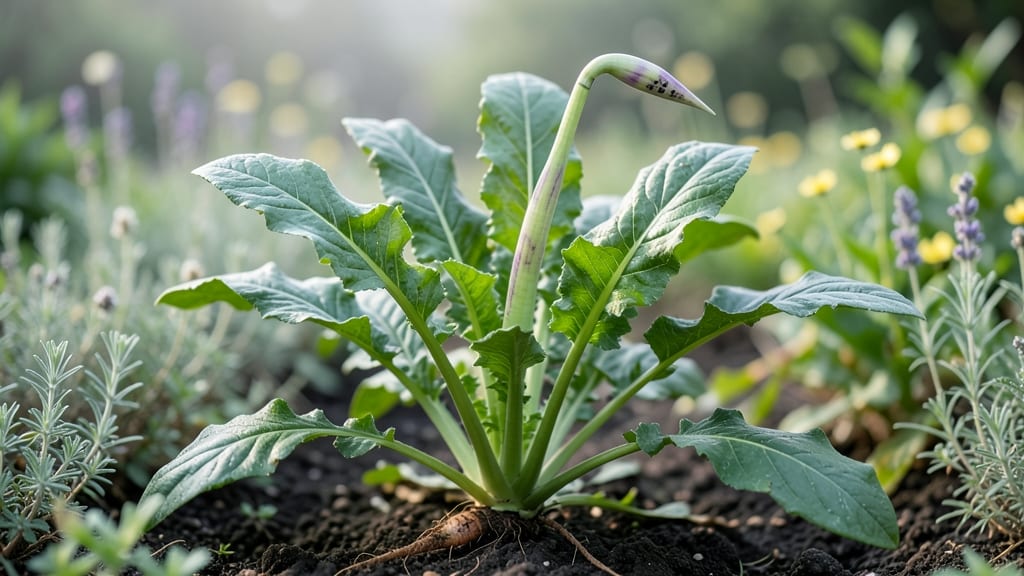
Saving radish seed pods means never paying for seeds again. 🌱 The key is knowing when those pods turn from green to brown—right before they split open—and acting fast to preserve the seeds inside. You’ll need just a few supplies: sharp scissors, paper bags, and a warm, dry spot.
Once you harvest the pods, let them dry completely before cracking them open to reveal the tiny black seeds waiting for next year’s garden. With proper storage in airtight containers, these seeds stay viable for up to five years.
Imagine starting your garden from seeds you grew yourself—no more guessing which varieties will thrive. This method works for all radish types, from quick-growing cherry bells to heirloom varieties. Let’s get those seeds saved!
📚 In This Guide
- What you need
- Instructions
- Tips and common mistakes
- Wrapping up and next steps
What you need
- ● Mature radish plants: Choose open-pollinated varieties (e.g., 'Cherry Belle,' 'French Breakfast,' or 'Daikon')—hybrids won’t produce true seeds. Aim for 3–5 healthy plants with fully developed seed pods.
- ● Seed pods: Harvest when pods turn brown, dry, and papery (typically 60–90 days post-planting). Expect 100–200 pods per plant, depending on variety.
- ● Pruning shears or sharp scissors: For cleanly snipping pods without damaging stems.
- ● Paper bags or breathable mesh sacks: 2–3 medium-sized bags (10–12" wide) to collect and dry pods. Avoid plastic—it traps moisture!
- ● Labeling tags or masking tape + marker: To note the variety, harvest date, and year (e.g., "Cherry Belle 2024").
- ● Drying tray or screen: A wire cooling rack or unlined baking sheet for airflow. Elevate pods to prevent mold.
- ● Envelope or airtight container: 1–2 small envelopes (e.g., seed-saving envelopes) or a glass jar with a tight lid for long-term storage.
- ○ Desiccant packets (optional but recommended): 1–2 packets (like silica gel) to absorb excess moisture in storage containers.
- ● Magnifying glass: Helps inspect pods for pests or damage before drying.
- ● Food dehydrator: Speeds up drying if you’re short on time (set to 95°F–105°F for 2–3 hours).
- ● Humidity monitor: Ideal for tracking drying conditions (aim for 30–50% humidity).
- ○ Vacuum sealer: Extends seed viability by removing oxygen (optional for ultra-long-term storage).
- ● Notebook: To log germination rates or notes on pod quality year-over-year.
How to harvest, dry, and store radish seed pods
Here's the straightforward process I use to save radish seeds—no fancy equipment, just patience and a little know-how.
🌱 Step 1: Identify and Harvest Mature Seed Pods
Wait until radish plants produce dry, brown seed pods that rattle when shaken—this means seeds are fully mature. Harvest on a dry day when pods are crisp, not soft or shriveled. Use clean pruners or your fingers to snap off the entire pod from the stem, leaving the roots in the soil to nourish other plants.
I always harvest in the morning when pods are firm and dew has evaporated. This prevents mold from forming on freshly cut pods. Collect pods in a paper bag to allow airflow—plastic traps moisture and encourages rot.
🌿 Step 2: Dry Seed Pods Properly
Spread the harvested pods in a single layer on a clean, dry surface in a warm, well-ventilated area. I use a mesh screen or paper towels over a baking rack to ensure air circulates on all sides. Keep pods out of direct sunlight—they'll dry too quickly and crack open, spilling seeds.
Drying takes 1-2 weeks depending on humidity. You'll know they're ready when pods turn completely brown and seeds rattle inside. If pods feel damp or mold appears, spread them out again for another day or two.
⏰ Step 3: Extract and Clean Seeds
Once pods are fully dry, crush them gently between your fingers or roll them on a clean surface to release the seeds. I use a small bowl to catch the seeds, then sift through any remaining pod fragments with my fingers. Discard any seeds that look shriveled or discolored—they won't germinate well.
Store seeds in a paper envelope or breathable bag (never airtight containers). Label with the radish variety and harvest date. Seeds stay viable for 3-5 years if stored in a cool, dry place away from direct light.
💧 Step 4: Store Seeds for Next Year
Place the labeled envelope in a dark, cool cabinet or seed storage box. I keep mine in the back of my pantry where the temperature stays around 50-60°F. Avoid refrigeration unless your home gets very humid—condensation ruins seeds faster than heat.
Check seeds annually for signs of moisture or pests. If you notice any mustiness or tiny insects, transfer them to a fresh envelope immediately. Properly stored radish seeds maintain 80% germination rates even after 3 years.
Tips & tricks for perfect radish seed pod preservation
Saving radish seeds for next year's garden is all about timing and conditions—here's how to avoid the most common pitfalls.
Harvest Timing: The 1-2 week drying period in Step 2 is crucial—don't rush it! If you harvest pods that aren't completely dry, they'll mold before you can extract seeds. I've learned this the hard way after losing entire batches to black spots. Test readiness by gently squeezing a pod; if it crumbles easily, it's ready.
Drying Environment: Humidity is your enemy during drying. If your kitchen feels damp, consider using a small fan on low setting to circulate air around the pods. I place mine near an open window (but out of direct sunlight) for consistent airflow. The goal is to mimic natural drying conditions without speeding up the process too much.
Seed Viability: When storing seeds in Step 4, the 50-60°F temperature range is ideal, but don't stress if your pantry fluctuates slightly. What matters most is keeping them completely dry. I've had seeds last 4 years in a slightly warmer pantry (around 65°F) with no germination issues—just make sure the envelope stays sealed against moisture.
Pest Prevention: The annual check for pests in Step 4 is non-negotiable. I keep a small jar of rice in my pantry—it naturally absorbs moisture and repels insects. Place it near your seed storage to create a protective barrier. If you notice any webbing or tiny holes in your envelope, transfer seeds immediately to a fresh container.
Pro Tips for Radish Seed Pod
- Saving radish seeds for next year's garden is all about timing and conditions—here's how to avoid the most common pitfalls.
- Harvest Timing: The 1-2 week drying period in Step 2 is crucial—don't rush it!
- Drying Environment: Humidity is your enemy during drying.
Frequently asked questions
Got questions about saving radish seed pods for next season? You’re not alone! Here are answers to the most common concerns—from timing to troubleshooting—so you can confidently store those pods for future planting.
When is the best time to harvest radish seed pods?
Harvest radish seed pods when they turn brown and papery, typically 60–90 days after planting, depending on the variety. Wait until the pods split open slightly—this signals seeds are mature. Avoid harvesting too early, or seeds won’t be viable. Pro tip: Pick pods on a dry day to prevent mold.
How long do radish seed pods last if stored properly?
When stored in a cool, dry place (35–40°F) in airtight containers (like paper envelopes or glass jars), radish seeds stay viable for 2–3 years. Test germination annually by planting a few seeds—if they sprout, your stash is still good! Pro tip: Label pods with the variety and harvest year.
Can I save seeds from store-bought radishes?
No—store-bought radishes are often hybrids (crossbred for specific traits) and won’t produce true-to-type seeds. For reliable seeds, save pods from heirloom or open-pollinated varieties grown in your garden. Check seed packets for “save-your-own” labels!
What should I do if my seed pods get bugs or mold?
Bugs (like aphids) or mold can ruin seeds. If pods are chewed or slimy, discard them immediately. To prevent issues:
- Harvest pods early before pests spread.
- Store pods in mesh bags or breathable paper to reduce moisture.
- Freeze pods for 48 hours before storage to kill pests. Pro tip: Add a silica gel packet to containers to absorb excess humidity.
Are there alternatives if I can’t save radish seed pods?
Yes! If seed-saving isn’t an option, try:
- Buying fresh seeds annually from reputable suppliers (like Baker Creek or Johnny’s Selected Seeds).
- Growing radish greens (like ‘Mizuna’ or ‘Daikon’) from store-bought radishes—just plant the tops!
- Swapping seeds with local gardeners via community groups or seed libraries.
Wrapping up and next steps
Harvesting, drying, and storing radish seed pods is a rewarding way to ensure a fresh supply for next year’s garden—while saving money and supporting sustainable gardening! 🌱 With the right timing, tools, and techniques, you’ll have healthy seeds ready to plant when spring rolls around.
Whether you’re a seasoned gardener or just starting out, this process is simpler than you think.
Now that you’re armed with the knowledge, take the next step and put it into action! Start by harvesting a few pods from your garden today, and experiment with drying methods to find what works best for your space.
Happy growing—and may your future radish crop be as vibrant as your efforts! 🌟