
Watering
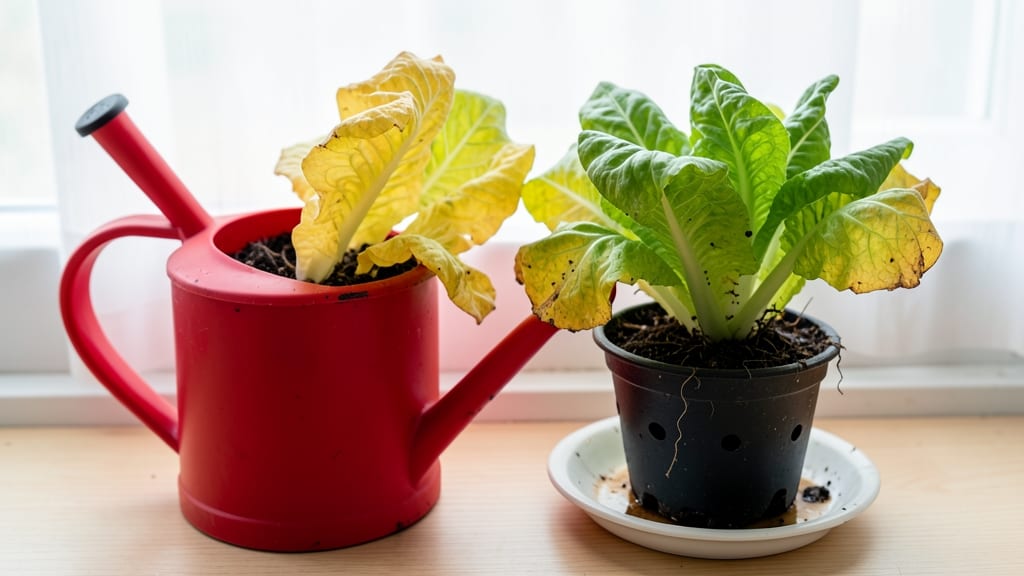
A plant overwatered seedling with wilting leaves isn’t beyond saving—root rot is often the sneaky saboteur, but quick action can bring it back to life. 🌱 I’ve revived soggy seedlings before, and the secret lies in drying out the soil before it’s too late.
The signs are subtle at first: yellowing leaves, slow growth, or a mushy stem when you gently squeeze it.
First, stop watering immediately and move the seedling to a well-drained spot. If you're growing in containers, check the drainage holes—if they're clogged, that's your first fix. For soil-bound seedlings, gently loosen the roots and let excess moisture evaporate before replanting in fresh, dry soil mix.
Most seedlings bounce back within 3-5 days if you catch it early.
Once the roots recover, adjust your watering habit: stick your finger an inch into the soil before watering—if it's damp, wait another day. A 50/50 mix of potting soil and perlite prevents future soggy soil, and a humidity dome (or plastic bag) keeps moisture balanced without drowning roots.
Your seedling will perk up faster than you think!
This works for vegetable starts, herbs, and flowers alike, whether you're growing in trays, pots, or the ground. The secret? Patience and paying attention to what the plant tells you through its leaves. Trust me, your seedlings will thank you with strong, healthy growth.
The Hidden Triggers Behind Drowning Seedlings
Overwatering seedlings might seem like a harmless mistake, but it’s actually a silent killer—often disguised as "extra love" for your tiny green friends. 🌱💦 The truth? Too much water disrupts the very science of growth, turning your seedling’s roots into soggy, oxygen-starved messes.
Let’s break down the real culprits behind this common blunder, so you can steer clear of them next time.
Seedlings drown when their roots can’t escape excess moisture. Here’s why:
- Clay-heavy or compacted soil acts like a sponge, trapping water and blocking air pockets. Without oxygen, roots suffocate and rot—even if the topsoil looks dry. Test it: Squeeze a handful of damp soil. If it holds its shape like Play-Doh, it’s too dense.
- Lack of organic matter (like compost or perlite) reduces porosity. Organic materials create tiny air channels, letting roots "breathe." Without them, water pools around roots, triggering anaerobic conditions—a fancy term for "no oxygen."
- Containers without drainage holes turn watering into a death sentence. Even "breathable" pots can trap moisture if they’re sealed. Pro tip: If your pot has no holes, poke a few with a nail or switch to a terracotta pot (which wicks moisture naturally).
Seedlings have tiny root systems—think of them like straws. Too much water at once forces roots to "drink" faster than they can absorb, leading to:
- Fungal infections (like Pythium or Phytophthora) thrive in waterlogged soil. These fungi clog root cells, cutting off nutrient flow and causing wilting. Sign: Black, mushy roots or a foul smell.
- Nutrient leaching. Water washes away essential minerals (like nitrogen and phosphorus) before roots can soak them up. It’s like flushing your seedling’s food supply down the drain.
- Root suffocation. Healthy roots need a 1:1 ratio of air to water in the soil. Overwatering drowns this balance, causing roots to turn brown and slimy—a sure sign of hypoxia (oxygen deprivation).
💡 Actionable fix: Water seedlings only when the top 1 inch of soil feels dry. Use a spray bottle or watering can with a gentle stream to avoid compacting soil.
Not all overwatering is your fault—sometimes, the weather teams up against your seedlings. Here’s how:
| Factor | Why It’s Dangerous | How to Counter It |
|---|---|---|
| High humidity | Moist air slows evaporation, keeping soil damp longer. Combined with poor airflow, it creates a greenhouse effect, trapping heat and moisture around roots. | Use a fan on low (2–3 hours/day) to improve airflow. Space seedlings 2–3 inches apart for better circulation. |
| Low temperatures | Cold soil absorbs water slower, leaving seedlings sitting in soggy conditions. Roots can’t warm up to "wake up" and process moisture. | Keep seedlings in a warm spot (65–75°F). Use a heat mat for germinating seeds or move pots to a sunny windowsill. |
| Rain or misting | External water adds to your watering routine, doubling the moisture. Seedlings in trays or without covers get double-dosed. | Move seedlings under cover during rain. Use a clear plastic dome (remove daily for 10 minutes to prevent mold). |
Seedlings are not miniature adults. Their root systems are microscopic and grow at a snail’s pace compared to the shoot (the green part above soil). Here’s the mismatch:
- Shoot vs. root growth rate: A seedling’s shoot can grow 1–2 inches per week, while roots might only add 0.5 inches. This imbalance means the plant "outgrows" its ability to absorb water efficiently.
- Limited root surface area: Tiny roots have fewer hairs (the fine, hair-like extensions that absorb water). Overwatering forces them to work overtime, leading to osmotic stress—when roots can’t absorb water fast enough, causing wilting.
- Transpiration overload: If the shoot grows too fast, it transpires (releases water vapor) at a higher rate than the roots can replace. Without enough roots, the plant wilts—even if you’re watering "just right."
🌡️ Science-backed solution: Use bottom-watering for seedlings. Place the tray in a shallow dish of water for 10–15 minutes, letting roots pull water up naturally. This mimics how plants drink in the wild and reduces stress on delicate roots.
Revive Your Seedling in 3 Steps
If your seedling is looking sad and soggy, don’t panic—it’s often just a case of too much love (and water!). The good news? With the right steps, you can nurse it back to health.
Below, we’ll break down the most common causes of overwatering and how to fix them—plus tips to keep your seedlings thriving long-term.
When soil stays too wet, roots suffocate and rot. If your seedling’s leaves are yellowing or the soil smells musty, it’s time to act.
🔧 How to Fix It:
- 🌱 Stop Watering Immediately
- Let the soil dry out completely before watering again. Stick your finger 1 inch into the soil—if it’s damp, wait another day.
- 🏗️ Improve Drainage
- Move your seedling to a pot with drainage holes (if it’s not already in one).
- Mix in perlite, sand, or coconut coir (20-30%) to help excess water escape.
- 🌿 Trim Damaged Roots (If Needed)
- Gently remove the seedling from its pot and inspect the roots. If they’re mushy or black, snip them with clean scissors, leaving only firm, white roots.
- 🌞 Repot in Fresh Soil
- Use a well-draining potting mix (avoid heavy garden soil). Repot your seedling and water lightly only when the top inch feels dry.
💡 Prevention Tips:
- Water only when the topsoil is dry—stick your finger in to check!
- Use a moisture meter for precision (especially for fussy plants like succulents).
- Avoid saucers under pots unless you empty them after watering.
Stagnant air traps moisture, creating the perfect storm for fungal diseases like damping-off. If your seedling’s stem is soft or moldy at the base, airflow is likely the culprit.
🔥 How to Fix It:
- 🌬️ Increase Air Circulation
- Place a small fan (on low) near the seedlings for 10-15 minutes daily. This mimics natural wind and speeds up evaporation.
- 📏 Space Seedlings Properly
- Thin out crowded seedlings so they’re 2-3 inches apart to allow air to flow between them.
- 🧼 Clean Up Debris
- Remove fallen leaves or dead plant material, which can harbor mold.
- 🌿 Use Sterile Tools
- Disinfect scissors or pruners with rubbing alcohol before trimming to prevent spreading disease.
💡 Prevention Tips:
- Water in the morning so foliage dries quickly.
- Avoid misting seedlings—water at the base instead.
- Rotate pots weekly to ensure even airflow.
Clay-heavy or compacted soil holds water like a sponge, choking roots. If your seedling’s growth has stalled or leaves are drooping despite dry soil, the mix might be too dense.
🍳 How to Fix It:
- 🔄 Repot with Lighter Soil
- Mix your current soil with compost or worm castings (20%) to improve aeration.
- For extreme cases, replace 50% of the soil with a fresh, well-draining blend.
- 🪴 Choose the Right Pot
- Terracotta pots wick away moisture better than plastic. If using plastic, ensure it has drainage holes.
- 💧 Adjust Watering Habits
- Water slowly and deeply—let it soak in for 10 minutes, then drain excess. Never let seedlings sit in water.
💡 Prevention Tips:
- Test your soil—if it’s clay-heavy, amend it before planting.
- Use raised beds or grow bags for better drainage in outdoor setups.
- Avoid over-fertilizing—too many nutrients can attract pests that worsen root stress.
If your seedling is completely limp with black stems or no signs of life, try this last-ditch effort:
- 🧴 Apply Hydrogen Peroxide (3%)
- Mix 1 part 3% hydrogen peroxide with 4 parts water and soak the roots for 10 minutes. This can kill fungi and stimulate regrowth.
- 🌱 Propagate Healthy Cuttings
- If the roots are beyond saving, snip healthy leaves or stems and propagate them in fresh, dry soil.
Remember: Seedlings are resilient! With the right care, most can bounce back in 3-7 days. Keep an eye on their progress, and soon you’ll have a lush, happy plant ready for transplanting. 🌱✨
Frequently asked questions
How can I tell if my seedling is overwatered vs. underwatered?
Check the soil and leaves: overwatered seedlings have yellow, mushy leaves that wilt even when soil is damp, while underwatered ones have crispy brown edges and dry soil. The key difference? Overwatered roots smell foul and feel slimy when pulled gently—underwatered roots stay firm and dry.
Can I save a seedling with black, mushy stems?
It depends on how far the damage has spread. If only the base is affected, trim the blackened part with clean scissors and repot in fresh, dry soil. For severe cases, try propagating healthy leaves or stems in hydrogen peroxide solution (1 part 3% H₂O₂ to 4 parts water) for 10 minutes to kill fungi before replanting.
Why does my seedling wilt after watering even when the soil looks dry?
This usually means compacted soil or poor drainage is trapping water at root level. Try the "finger test": if soil feels damp an inch down, roots are drowning. Improve airflow by spacing seedlings 2-3 inches apart and using a fan for 10-15 minutes daily—this mimics natural wind and prevents soggy conditions.
How often should I water seedlings in different climates?
In humid climates, water every 3-4 days (soil should dry between waterings). In dry climates, water daily but lightly—aim for 10-15 minutes per watering to avoid runoff. Always check soil moisture: if it's damp an inch down, wait another day. Terracotta pots dry faster than plastic, so adjust accordingly.
What’s the best soil mix to prevent overwatering?
A 50/50 blend of potting soil and perlite works best for most seedlings. For heavy clay soil, add 20% coconut coir or vermiculite to improve drainage. Avoid garden soil—it compacts easily and holds too much moisture. Pro tip: Add a thin layer of sand at the bottom of pots for extra drainage.