
Size
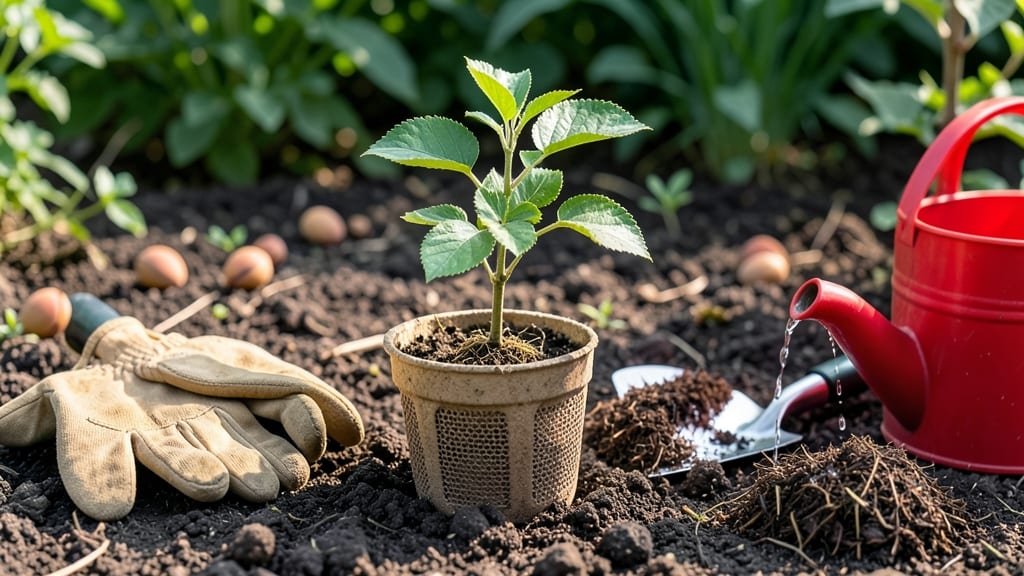
Growing a peach seed in a garden is the ultimate patience test—one that rewards you with a living piece of summer in your own backyard. 🌱 The journey from that small pit to a sturdy sapling takes just six weeks, but the real magic unfolds years later when you finally taste the fruit (if it's true to type).
I've tried this three times, and each time, I'm amazed by how a single seed can hold so much potential.
The process starts with a simple kitchen experiment: cold-stratifying the seed to mimic winter, then planting it in a cozy pot with well-draining soil. You'll need a sunny windowsill or a grow light, a spray bottle for gentle watering, and a lot of curiosity.
Most people quit here—it's slow, and the first sprouts are delicate—but sticking with it for those six weeks sets the foundation for everything that comes next.
By the end of that time, you'll have a seedling with its first true leaves, ready to be transplanted into a larger pot or the ground. It won't bear fruit for years (if ever), but the joy of watching it grow—especially when it finally blooms—makes every step worth it.
The real payoff comes in the form of a tree that's uniquely yours, with roots (literally) in your own hands.
Now, here's the thing—this isn't a shortcut to a fruit-bearing tree. It's a long game, and the fruit might not taste like the peaches you buy at the store. But the experience? That's pure gardening gold.
Whether you're doing this for the thrill of the experiment or the dream of one day harvesting your own peaches, the journey starts with a single pit and a whole lot of hope.
📚 In This Guide
- What you need
- Instructions
- Tips and common mistakes
- Wrapping up and next steps
What you need
- ● Peach pit: 1–2 fresh, organic peach pits (avoid store-bought pits treated with fungicides). Pro tip: 💡 Save pits from ripe, locally grown peaches for the best results!
- ● Containers: 1 small pot (3–4 inches deep) for germination (yogurt cup or seed starter tray works!).
- ● 1 gallon pot (12+ inches deep) for transplanting (drainage holes required!).
- ● Potting mix: 1 bag of well-draining seed-starting mix (avoid garden soil—it’s too dense!).
- ● Plastic wrap or humidity dome: 1 sheet (to keep moisture in during germination).
- ● Spray bottle: 1 (for gentle watering).
- ● Scissors or knife: 1 (for cutting pits if needed).
- ● Grow lights or sunny windowsill (south-facing preferred).
- ● Fertilizer: Balanced 10-10-10 (diluted to half-strength) for transplanting.
- ● Pebbles or sand (to improve drainage in pots).
- ● Label markers (to track your seedling’s progress!).
- ○ Heat mat (optional for faster germination in cool climates).
- ● Time: 6–8 weeks (or longer!) for germination and early growth.
- ● Patience: Peach trees from seed are not guaranteed to grow true to the parent tree—be open to surprises!
- ● Space: A sunny spot (6+ hours of light daily) for transplanting outdoors (if moving outside).
Step-by-step instructions for growing peach trees from seed
Turn that grocery store pit into a thriving tree with these simple, proven steps.
🌱 Step 1: Extract and Stratify the Seed for Cold Treatment
Crack open the peach pit carefully with a nutcracker or hammer—you want to expose the seed inside without damaging it. The seed needs a 60-day cold stratification to break dormancy. Place the seed between two damp paper towels in a sealed plastic bag, then refrigerate it. Check weekly to ensure the towels stay moist but not soggy.
This cold period mimics winter conditions and triggers germination. I like to label the bag with the date so I don’t forget when the 60 days are up. If the towels dry out, the seed won’t sprout—so keep an eye on it. Once you see a tiny root emerging, it’s time to move to soil.
💧 Step 2: Plant the Stratified Seed in a Small Pot
Fill a 4-inch pot with sterile seed-starting mix (not garden soil) and moisten it until damp but not dripping. Plant the seed about ½ inch deep—just enough to cover it lightly. Press the soil gently around it so it stays in place. Place the pot in a warm spot, like on top of the fridge, where the soil stays around 70-75°F.
Peach seeds germinate slowly, often taking 3-6 weeks to sprout. Keep the soil consistently moist—never let it dry out completely, but don’t drown it either. A clear plastic dome or plastic wrap over the pot helps retain humidity while the seedling gets established.
☀️ Step 3: Provide Light and Gradually Acclimate the Seedling
Once the seedling emerges, remove the plastic immediately to prevent fungal issues. Move it to a bright, indirect light spot—like a south-facing window—where it gets 6-8 hours of sunlight daily. If the leaves look pale or the stem stretches too tall, it needs more light. A grow light on a 14-hour cycle works well if natural light is weak.
After 4-6 weeks of growth (when the seedling has 3-4 true leaves), it’s ready for its first transplant. Harden it off by placing it outside in a shaded spot for 1-2 hours the first day, then gradually increase exposure over 10 days. This prepares it for outdoor life without shock.
🪴 Step 4: Transplant to a Larger Container or Garden Bed
Choose a 6-inch pot or a garden spot with well-draining soil and full sun (at least 6 hours daily). Dig a hole twice as wide as the seedling’s root ball but no deeper. Gently remove the seedling, loosen the roots if they’re circling, and place it in the hole. Backfill with soil, pressing lightly to remove air pockets.
Water deeply right after planting to settle the soil. Peach trees need 1-2 inches of water per week, but avoid soggy soil—root rot is a common killer. Mulch around the base with 2-3 inches of organic mulch to retain moisture and regulate soil temperature. In colder climates, wait until spring to plant outdoors.
⏰ Step 5: Care for the Young Tree Through Its First Year
Fertilize lightly in early spring with a balanced, slow-release fertilizer (like 10-10-10) to encourage steady growth. Prune any dead or crossing branches with clean, sharp shears to keep the tree healthy. By year one, your peach tree will be about 2-3 feet tall—small but full of potential.
Remember, peach trees grown from seed take 5-7 years to bear fruit, but the journey is worth it. Patience is key—watch for pests like aphids and treat them early with neem oil if needed. With consistent care, you’ll have a sturdy, productive tree in no time.
Tips & tricks for growing peach trees from seed
Here's how to avoid common pitfalls and maximize your peach seedling's success.
Stratification Success: The 60-day cold treatment is non-negotiable for peach seeds—it mimics winter conditions that trigger germination. I recommend placing your labeled bag in the crisper drawer of your fridge where temperatures stay consistently around 35-40°F. This cooler spot helps maintain the perfect dormancy-breaking environment. If your fridge runs warmer, consider a second refrigerator or a dedicated seed stratification setup.
Lighting Strategy: Once your seedling emerges in Step 3, position it within 6-12 inches of your light source. I've seen seedlings stretch toward weak light, becoming leggy and weak. For natural light, south-facing windows work best. If using grow lights, maintain the 14-hour cycle mentioned—this mimics summer daylight and prevents that "reaching" growth pattern. Rotate your pot daily so all sides get even light exposure.
Transplanting Technique: When moving your seedling to its 6-inch pot in Step 4, focus on the root ball. Gently squeeze the sides of the 4-inch pot to encourage the roots to loosen slightly before transferring. This prevents root circling, which can strangle your young tree as it grows. Water thoroughly after transplanting to help settle the soil around those delicate roots.
Patience Pays Off: Remember those 5-7 years until fruiting? That's why early pruning matters. In Step 5, when your tree reaches 2-3 feet, remove any branches growing toward the center—they'll compete for sunlight and nutrients. Prune just above a leaf bud where two branches meet to encourage outward growth. This creates a stronger structure that will support fruit later.
Pro Tips for Peach Seed Grow A Garden
- Here's how to avoid common pitfalls and maximize your peach seedling's success.
- Stratification Success: The 60-day cold treatment is non-negotiable for peach seeds—it mimics winter conditions that ...
- Lighting Strategy: Once your seedling emerges in Step 3, position it within 6-12 inches of your light source. I've se...
Frequently asked questions
Got questions about growing a peach tree from seed? You're not alone! Here are some of the most common queries—and their answers—to help you succeed in your peach seed adventure.
Can I grow a peach tree from any store-bought peach pit?
Most store-bought peaches are hybrids, so their seeds may not grow true to the parent fruit. For better results, use seeds from heirloom or non-hybridized peaches. If you’re unsure, ask your local nursery or gardening group for recommendations!
How long does it take for a peach seed to sprout?
Peach seeds can take anywhere from 2 weeks to 3 months to sprout, depending on moisture, temperature, and seed viability. Patience is key—keep the soil moist and warm (around 70°F) to encourage germination. A heat mat can speed things up!
Do I need to stratify peach seeds before planting?
Yes! Stratification mimics winter conditions and breaks seed dormancy. Soak the seed in water for 24 hours, then place it in a damp paper towel in the fridge for 4–6 weeks. This step dramatically improves germination rates—don’t skip it!
Will my homegrown peach tree produce fruit like the parent?
Probably not! Seed-grown peach trees often produce small, tart, or inedible fruit because they’re not grafted. For reliable, flavorful peaches, consider grafting a known variety onto your seedling later. Many gardeners do this after the tree is 1–2 years old.
What should I do if my peach seedling gets pests or diseases?
Start with prevention: Ensure good airflow, water at the base (not leaves), and remove fallen fruit. Common pests like aphids or fungal issues can be treated with neem oil or insecticidal soap. If problems persist, isolate the plant and research organic solutions for peach-specific issues.
Can I grow a peach tree indoors or in a container?
Peach trees thrive outdoors in warm climates (USDA zones 5–9), but you can try dwarf varieties in large containers (at least 15 gallons). Place them in full sun, protect from frost, and expect slower growth. If indoors, a bright window or grow light is a must!
Wrapping up and next steps
Growing a peach tree from a seed is a rewarding journey that blends patience with the magic of nature! 🌱 While it may take years for your seedling to bear fruit, every step—from soaking the pit to nurturing the sprout—teaches you the joy of organic gardening.
Once your tree is established, watch it flourish as a living reminder of your dedication.
Ready to take the next step? Start small—plant a few more seeds or share your newfound knowledge with fellow gardeners! Whether you’re growing for beauty, shade, or future harvests, your green thumb is already blooming. 🌿 Happy planting!