
Lawn
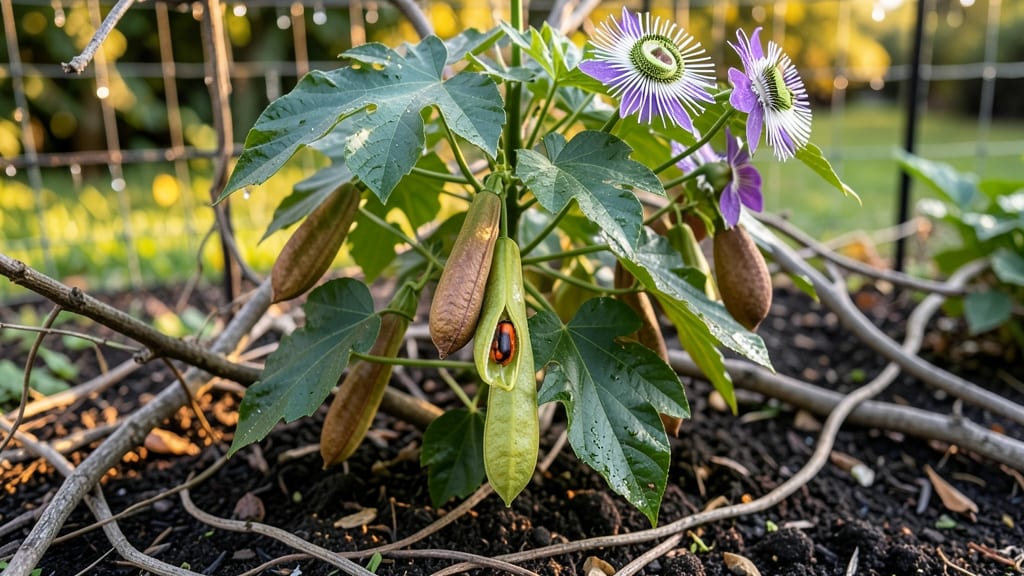
Harvesting passion flower seed pods at the perfect moment turns a summer chore into a year-long gardening adventure. 🌿 The moment those pods split open—often in late summer or early fall—is your cue to collect the seeds inside, but timing matters because overripe pods release seeds too soon.
I’ve learned the hard way that patience here means healthier plants later.
Once you’ve got the pods, drying them properly is key. Spread the seeds on a screen or paper towel in a shady, dry spot for about 2 weeks, stirring occasionally.
This mimics nature’s drying process and prevents mold. For varieties like Passiflora edulis (passionfruit), you’ll want to crack open the pods carefully—some seeds need a little extra prep before planting.
The real magic happens with cold stratification, a trick that mimics winter’s natural cycle. Place the dried seeds in a sealed bag with slightly damp sand, then refrigerate for 6-8 weeks.
This step breaks dormancy, so you’ll see sprouts in 4-8 weeks after planting—no more waiting around for seeds that refuse to germinate.
Young seedlings need warmth and humidity to thrive. Start them indoors under grow lights or in a sunny window, keeping the soil moist but not soggy.
Once they’ve got a few true leaves, transplant them outdoors after the last frost, and watch as your passion flowers grow into vibrant, fragrant climbers—worth every step of the process.
📚 In This Guide
- What you need
- Instructions
- Tips and common mistakes
- Wrapping up and next steps
What you need
- ● Fresh passion flower seed pods: 5–10 mature, fully ripened pods (brown, slightly wrinkled, and firm to the touch). Harvest them when they naturally detach or are ready to split open.
- ● Pruning shears or sharp scissors: 1 pair (clean, sterilized with rubbing alcohol for hygiene).
- ● Paper towels or newspaper: 2–3 sheets (for drying and cleaning seeds).
- ● Small paper bags or breathable mesh bags: 5–10 bags (for storing pods during drying).
- ● Plastic zip-top bags: 1–2 bags (for cold stratification later).
- ● Permanent marker: 1 (to label bags with dates or varieties).
- ● Small container with lid: 1 (for temporary seed storage, like a clean tupperware).
- ● Refrigerator or cold stratification setup: Access to a fridge (33–41°F / 0–5°C) or a seed fridge for stratification.
- ● Desiccant packets: 1–2 (to absorb moisture during drying).
- ● Seed tray or shallow container: 1 (for spreading pods to dry evenly).
- ● Fine-mesh strainer: 1 (for separating seeds from pulp after drying).
- ● Humidity pack or damp paper towels: (For moisture checks during stratification).
- ● Gloves: 1 pair (if handling prickly or sticky pods).
Step-by-Step guide to harvesting, drying, and cold stratifying passion flower seed pods
Here's how I turn passion flower seed pods into next season's thriving plants—no guesswork, just reliable results.
🌱 Step 1: Harvest Ripe Seed Pods at Peak Maturity
Wait until pods turn a deep, papery brown and begin splitting open naturally—this usually happens 8-12 weeks after flowering. I harvest pods in the morning when humidity is low, using clean, sharp pruning shears to avoid crushing the delicate interior. The pods should feel dry to the touch and open easily when squeezed gently.
Remove any pods showing signs of mold or insect damage immediately. Healthy pods contain bright orange seeds surrounded by white, cottony fibers. Place harvested pods in a paper bag (not plastic) to allow airflow while you process them. If pods open prematurely, cover them with a breathable fabric to protect the seeds until you're ready to extract them.
🌿 Step 2: Extract and Clean the Seeds
Open each pod carefully over a clean surface, using your fingers to separate the seeds from the fibrous pulp. I like to work outdoors or over a large tray to contain any mess. The seeds should be bright orange—if they're dull or shriveled, they won't germinate well. Remove any seeds that appear damaged or discolored.
For thorough cleaning, place the seeds in a bowl of lukewarm water and swirl gently. Good seeds sink immediately, while empty or damaged ones float to the surface. Drain and rinse the viable seeds with clean water, then spread them on a paper towel to air-dry for 1-2 hours. This step prevents mold during stratification.
💧 Step 3: Dry the Seeds Completely Before Stratification
Spread the cleaned seeds in a single layer on a mesh screen or paper towel in a warm, dry location away from direct sunlight. I use a small fan on low setting to speed up drying while preventing moisture buildup. The seeds are ready when they feel dry to the touch and the fibrous material around them crumbles easily when handled.
Proper drying takes 2-3 days depending on humidity levels. If seeds remain damp, they'll rot during stratification. Store dried seeds in a labeled paper envelope in a cool, dark place until you're ready to stratify them. I mark each envelope with the harvest date—older seeds germinate more slowly.
⏰ Step 4: Perform Cold Stratification for 6-8 Weeks
Mix the dried seeds with an equal amount of slightly damp peat moss or perlite in a sealed container. Place the container in a refrigerator set to 35-40°F for 6-8 weeks. This mimics winter conditions and breaks seed dormancy. I check the moisture level weekly—if the mix feels dry, lightly mist it with water and seal the container again.
After stratification, remove the seeds and plant them immediately in a well-draining seed-starting mix. Passion flower seeds germinate best when kept in darkness at 70-75°F until sprouts appear, which typically takes 2-4 weeks. The cold treatment ensures stronger, more vigorous seedlings compared to direct sowing.
☀️ Step 5: Plant Stratified Seeds for Germination
Fill small pots with sterile seed-starting mix and plant seeds ½ inch deep, spacing them 1 inch apart. Cover the pots with a clear plastic dome or plastic wrap to retain moisture and place them in a warm, dark location. Keep the soil consistently moist but never soggy—passion flower seeds rot easily if overwatered.
Once seedlings emerge (usually 2-4 weeks after planting), remove the cover and move them to bright, indirect light. When seedlings develop their first true leaves, gradually introduce them to morning sunlight for 2-3 hours daily, increasing exposure over 1-2 weeks before transplanting outdoors after the last frost.
Tips & tricks for perfect passion flower seed pod processing
Transforming passion flower seed pods into thriving plants takes patience—but these insider tricks make all the difference between mediocre germination and lush, vigorous seedlings.
Timing Secret: In Step 1, harvesting pods at exactly 8-12 weeks after flowering is critical. I've found that pods harvested at the first signs of natural splitting (when they're deep papery brown) contain seeds with the highest viability. If you're unsure about timing, check the pod's weight—ripe pods feel light and hollow when gently squeezed, while unripe ones feel heavier and firm. This small visual cue saves hours of waiting for pods that might still need time to mature.
Cleaning Technique: During Step 2's water flotation test, don't rush the process. Let the seeds sit in lukewarm water for at least 2 minutes before gently swirling—the good seeds will sink immediately, while empty or damaged ones may take longer to surface. I've learned this the hard way: rushing the process can cause viable seeds to float away with the debris. After draining, pat the seeds dry with a clean paper towel, but don't rub them—this can damage the delicate seed coats that protect during stratification.
Drying Strategy: The 2-3 day drying period in Step 3 is where many gardeners go wrong. I recommend using a small fan on low setting to create gentle airflow—this speeds up drying while preventing moisture buildup that could lead to mold. Place seeds on a mesh screen or paper towel in a location with indirect sunlight (direct sun can overheat and crack the seeds). The seeds are ready when they feel completely dry to the touch and the fibrous material crumbles easily. If you're in a humid climate, you might need to extend this to 3-4 days.
Stratification Wisdom: When mixing seeds with peat moss or perlite in Step 4, aim for a consistency similar to a well-wrung-out sponge—slightly damp but not soggy. I've had the best success using a 1:1 ratio by volume, not weight. During the 6-8 week refrigeration period, check moisture weekly by squeezing a small amount of the mix—it should feel like a damp but not dripping sponge. If it feels dry, lightly mist with water and reseal the container immediately. This careful moisture balance is what breaks seed dormancy effectively.
Pro Tips for Passion Flower Seed Pods
- Transforming passion flower seed pods into thriving plants takes patience—but these insider tricks make all the difference between mediocre germination and lush, vigorous seedlings.
- Timing Secret: In Step 1, harvesting pods at exactly 8-12 weeks after flowering is critical.
- Cleaning Technique: During Step 2's water flotation test, don't rush the process.
Frequently asked questions
Got questions about passion flower seed pods? You’re not alone! Here are some of the most common inquiries—plus quick, practical answers to help you navigate harvesting, drying, and cold stratification like a pro.
How do I know when passion flower seed pods are ready to harvest?
Harvest pods when they turn wooden-brown and start splitting open naturally—usually 4–6 weeks after flowering. If you wait too long, seeds may scatter or sprout prematurely. Aim for a dry, sunny day to avoid moisture issues.
How long does it take to dry passion flower seed pods?
Drying takes 2–4 weeks in a well-ventilated, dry space (60–70°F). Spread pods in a single layer on a mesh screen or paper towels, flipping them weekly. Speed up the process with a fan or dehydrator (set to 95°F).
What’s the best way to cold-stratify passion flower seeds?
Mix seeds with damp peat moss or sand in a sealed container, then refrigerate for 4–8 weeks. Check moisture weekly—seeds should stay damp but not soggy. Plant outdoors after stratification or sow in pots for indoor starts.
Can I save seeds from store-bought passion fruit?
Yes! But store-bought seeds may be hybridized and less reliable. If you’re lucky, they’ll germinate, but expect slower growth or different traits. For consistent results, source seeds from open-pollinated passion flowers.
What should I do if my passion flower seeds won’t germinate?
Try these fixes:
- Check viability: Test a few seeds in warm water—sinkers are viable.
- Adjust moisture: Overwatering causes rot; too little stalls germination.
- Extend stratification: Some seeds need up to 3 months in cold.
- Use a heat mat: Speed up germination with bottom heat (75–85°F).
Still stuck? Drop your question in the comments—we’re happy to help!
Wrapping up and next steps
Harvesting, drying, and cold-stratifying passion flower seed pods unlocks the potential to grow these stunning vines from scratch—whether for beauty, biodiversity, or even culinary adventures! 🌱 With the right tools and patience, you’re well on your way to nurturing thriving plants that’ll reward you with vibrant blooms and unique flavors. Ready to take the next step? Start by planting your prepped seeds in well-draining soil, and keep an eye out for those first tender sprouts—your garden’s new star is on its way!