
Propagation
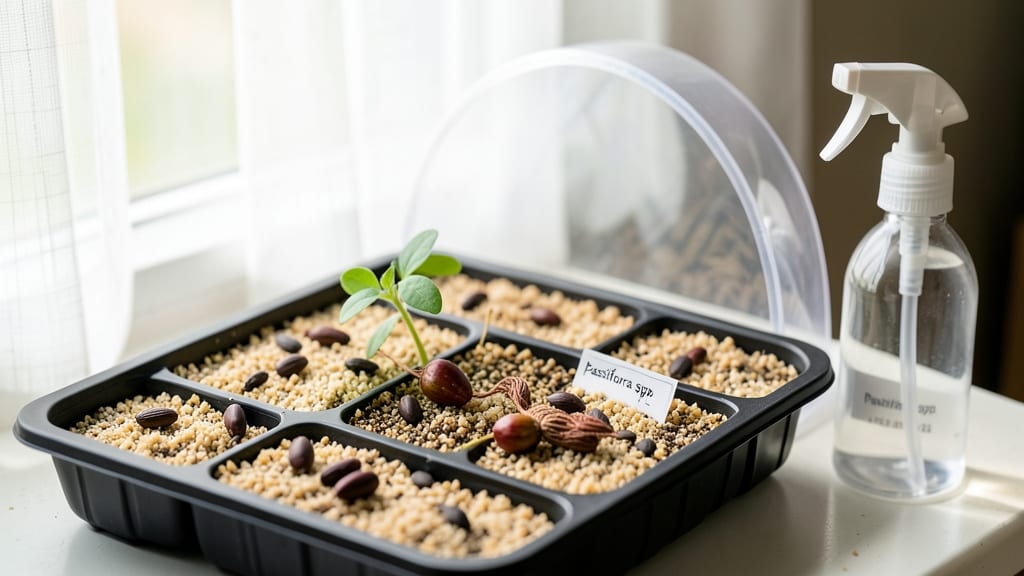
Passion flower seed germination transforms from a frustrating wait into a reliable process with cold stratification—turning stubborn seeds into sprouts in weeks. ✨ The key is mimicking their natural winter dormancy, something most gardeners miss, leading to months of waiting (or giving up). These tropical seeds need a cold, moist period to break dormancy, and doing it right means reliable blooms next spring instead of empty pots.
You only need three things: a sealed plastic bag, a damp paper towel, and your fridge. No fancy equipment—just patience. Place the seeds between the towel layers, seal the bag, and refrigerate for 6-8 weeks.
Check weekly for mold (a sign of too much moisture) and flip the bag if condensation builds up. This mimics the chilly, damp soil conditions passion flowers experience in the wild.
After stratification, plant the seeds in warm, well-draining soil and keep them consistently moist but never soggy. Germination typically kicks in within 2-4 weeks once they're moved to warmth.
The first leaves will be tiny and delicate, but they grow fast once established. By next summer, you'll have vines climbing and blooming—proof that the wait was worth it.
This method works for all passion flower varieties, from hardy Passiflora incarnata to tropical Passiflora edulis. The only variable is the stratification time—some need 4 weeks, others 12. When in doubt, err on the longer side. Your patience now means showstopping blooms later, and that's a trade-off worth making.
📚 In This Guide
- What you need
- Instructions
- Tips and common mistakes
- Wrapping up and next steps
What you need
- ● Passion flower seeds: Fresh, viable seeds (preferably from a trusted source or your own plant). Aim for at least 5-10 seeds to account for variability in germination rates.
- ● Cold stratification setup: Small paper towel or coir mats (2-3 sheets per batch of seeds).
- ● Plastic ziplock bags (quart-sized, 1-2 per batch).
- ● Water spray bottle (for gentle moisture control).
- ● Germination containers: Seedling trays (with drainage holes) or small pots (3-4" diameter).
- ● High-quality potting mix: Lightweight, well-draining blend (e.g., 50% peat/coir + 50% perlite/sand). Avoid garden soil—it’s too dense!
- ○ Heat mat (optional but helpful): A seedling heat mat (set to 75–85°F) to mimic tropical conditions post-stratification.
- ● Grow lights or sunny windowsill: A full-spectrum LED grow light (12–16 hrs/day) or a south-facing window with bright, indirect light.
- ● Humidity dome: A clear plastic lid or humidity tent to retain moisture during early growth.
- ● pH test kit: To check soil pH (ideal range: 6.0–7.0 for passion flowers).
- ● Fungicide (preventative): A mild neem oil spray or hydrogen peroxide solution (3%) to deter mold.
- ● Labeling tags: Small stakes or plant markers to track seed varieties and planting dates.
Step-by-Step instructions for germinating passion flower seeds
Here's my battle-tested method for breaking dormancy and ensuring strong, vigorous passion flower seedlings.
🌱 Step 1: Scarify and Soak the Seeds
Passion flower seeds have tough outer shells that require mechanical damage to trigger germination. I use a small file or sandpaper to gently roughen the seed coat—just enough to scratch the surface without breaking through completely. This mimics natural weathering and helps water penetrate.
After scarification, soak the seeds in lukewarm water for 24 hours. The water should cover them completely. You'll see some seeds float—these are often nonviable, so discard them. The good ones will sink and feel slightly plump when squeezed gently. Drain and pat them dry with a paper towel before proceeding.
💧 Step 2: Prepare the Cold Stratification Mix
Fill a clean 4-inch deep container with a mix of 50% sterile potting soil and 50% perlite. This combination provides both moisture retention and aeration critical for early root development. Moisten the mix until it feels like a wrung-out sponge—damp but not dripping.
I like to use a shallow tray with drainage holes to prevent waterlogging during the stratification period. Place the container in the refrigerator and let it chill for 48 hours before adding seeds. This pre-cooling mimics winter conditions and prepares the seeds for germination.
⏰ Step 3: Stratify Seeds for 6-8 Weeks
Plant the seeds ½ inch deep in the chilled mix, spacing them 2 inches apart to allow room for early root spread. Cover the container with plastic wrap or a humidity dome to maintain 85-90% humidity—this prevents the soil from drying out during stratification.
Store the container in your refrigerator's vegetable drawer where temperatures stay 35-45°F. Check weekly for moisture—mist lightly if the surface feels dry to touch. You won't see germination yet, but the seeds are actively breaking dormancy. After 6-8 weeks, move the container to a warm, bright location.
☀️ Step 4: Transition to Warm Germination Conditions
When you move the container to room temperature (70-75°F), place it under grow lights or in a south-facing window. Passion flower seeds need consistent warmth to germinate—if your home runs cooler, use a seedling heat mat set to 75°F.
Germination typically occurs within 2-4 weeks after removing from cold stratification. You'll notice small green shoots emerging first, followed by the first true leaves. Keep the soil consistently moist but never soggy—passion flower seedlings are prone to damping-off if overwatered.
🌿 Step 5: Thin and Provide Support for Seedlings
Once seedlings reach 2-3 inches tall, thin to the strongest 2-3 plants per container. Remove weaker seedlings at the base to avoid disturbing roots. Install a small 3-foot bamboo stake or trellis next to each remaining plant—they'll need support as vines develop.
Continue growing under lights until seedlings develop 4-6 true leaves (about 8-10 weeks total from sowing). At this stage, they're ready for transplanting outdoors after your last frost date. Harden off gradually by exposing them to outdoor conditions for increasing durations over 10-14 days.
Tips & tricks for perfect passion flower seed germination
Cold stratification is where the magic happens for passion flower seeds—here's how to maximize your success without the guesswork.
Scarification Precision: When roughening the seed coat in Step 1, think of it like sanding wood—you want to create texture, not remove material. Use fine-grit sandpaper (around 220-grit) and make even strokes. I test each seed by gently pressing it between my fingers; if it feels noticeably rougher than before, it's ready. Over-scarifying can damage the seed's viability, while under-scarifying leaves the shell intact and blocks water absorption.
Cold Stratification Timing: The 48-hour pre-chilling of your mix in Step 2 is crucial—this isn't just about cold exposure, it's about establishing consistent moisture and temperature before seeds go in. I like to place my container in a sealed plastic bag during this phase to create a mini greenhouse effect, which helps stabilize humidity levels. After the 48 hours, remove the bag but keep the container sealed until you're ready to plant seeds. This prevents moisture loss during the transfer process.
Humidity Management: Maintaining 85-90% humidity during the 6-8 week stratification period in Step 3 requires vigilance. I've found that using a clear plastic dome with ventilation holes (created by poking small holes with a heated nail) works better than plastic wrap alone. The holes prevent condensation buildup while still maintaining high humidity. Check the moisture level weekly by pressing your finger into the soil—it should feel damp but not wet. If condensation forms on the inside of your dome, that's a sign you need to increase ventilation slightly.
Warm Transition Strategy: When moving your container to room temperature in Step 4, don't rush the process. I recommend a gradual transition over 2-3 days by placing the container in a warm spot (like on top of your refrigerator) for a few hours each day before moving it completely. This mimics natural spring conditions and helps prevent shock to the seeds. After the full transition, place your container under grow lights for 14-16 hours per day—passion flower seeds need this consistent light to trigger germination.
Pro Tips for Passion Flower Seed Germination
- Cold stratification is where the magic happens for passion flower seeds—here's how to maximize your success without the guesswork.
- Scarification Precision: When roughening the seed coat in Step 1, think of it like sanding wood—you want to create texture, not remove material.
- Cold Stratification Timing: The 48-hour pre-chilling of your mix in Step 2 is crucial—this isn't just about cold exposure, it's about establishing consistent moisture and temperature before seeds go in.
Frequently asked questions
Got questions about germinating passion flower seeds? You’re not alone!
Here are the most common concerns—plus straightforward answers to help you avoid pitfalls and boost your success rate.
How cold should my seeds be during stratification?
Passion flower seeds thrive in 35–45°F (2–7°C) for stratification. Use a fridge’s crisper drawer or a seed stratification kit. Avoid freezing temps—below 32°F (0°C) can damage them. A simple DIY trick? Bury seeds in a damp paper towel inside a sealed bag with ice packs.
How long does cold stratification take for passion flower seeds?
Most seeds need 6–12 weeks of cold treatment. Check weekly after 4 weeks—press a seed between two paper towels. If it squeezes out a gel-like substance, it’s ready to plant! Patience pays off—rushing can lead to mold or rot.
What if my seeds won’t germinate after stratification?
Try these fixes:
- Check moisture: Keep soil consistently damp (not soggy). Use a spray bottle for gentle hydration.
- Warmth test: Move pots to a 70–80°F (21–27°C) spot after stratification—heat triggers germination.
- Seed viability: Old seeds (<2 years) may fail. Test a few in warm water—if they sink and smell fresh, they’re likely good.
Can I germinate passion flower seeds without cold stratification?
It’s possible but unreliable. Some tropical varieties might sprout in warm, humid conditions (75–85°F / 24–29°C), but cold stratification mimics natural winter dormancy, boosting success rates to 70–90%. For best results, always stratify unless you’re experimenting with rare hybrids.
When is the best time to start passion flower seeds indoors?
Plant seeds 8–12 weeks before your last frost date (e.g., late winter for spring blooms). Early starts give seedlings time to harden off. Pro tip: Label your pots! Passion flower seedlings look like weeds until they sprout true leaves (2–3 sets).
Why are my passion flower seedlings leggy or weak?
Leggy seedlings usually mean too little light. Move them to a south-facing window or use a grow light 12–14 hours daily. Overcrowding or uneven moisture can also weaken them. Thin seedlings to 1 inch apart and ensure pots have drainage holes.
Wrapping up and next steps
Growing passion flowers from seed is a rewarding journey that blends patience with the joy of nurturing life. By mastering cold stratification and providing the right conditions, you’ll set the stage for vibrant blooms next season—whether for your garden, balcony, or even culinary adventures! 🌱
Ready to take the next step? Start with a small batch of seeds, experiment with your setup, and document your progress. Soon, you’ll be sharing your green-thumb success with fellow plant enthusiasts—or even gifting cuttings to friends. Happy growing! 🌸