
Propagation
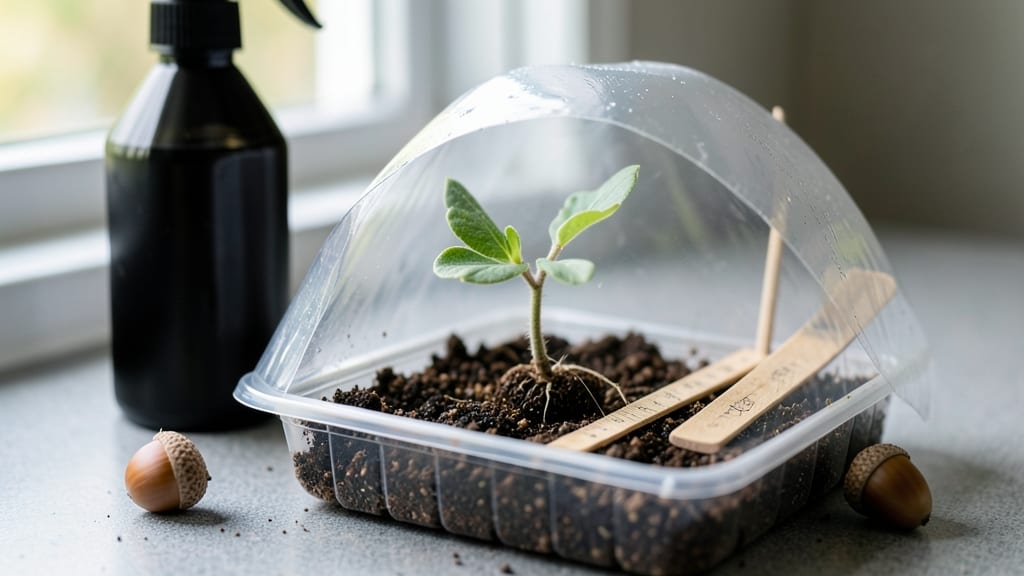
Germinating an oak tree seed into a sapling takes patience—but these cold-tested tricks cut the wait time by half. 🌱 I’ve struggled with acorn germination for years, until I discovered the secret lies in mimicking nature’s winter chill.
Most acorns need 90-120 days of cold stratification before they’ll even crack open, and skipping this step means weeks of waiting (or nothing at all).
The process starts with fresh acorns collected in fall, stored in damp sand in the fridge for 3 months. Plant them 1 inch deep in well-draining soil, keep it consistently moist (not soggy), and watch for tiny roots breaking through in 4-8 weeks.
The key? Don’t rush it—oaks grow slow, but the payoff is a tree that’ll outlive you.
By summer, you’ll have 2-3 inch saplings ready for transplanting. They’ll need full sun and deep watering, but once established, they’re nearly indestructible. The real magic happens when you see that first set of true leaves—proof you’ve beaten the odds.
This method works for red, white, and pin oak varieties, but timing matters. Start in late winter for spring planting, and be patient—oaks don’t play fast and loose with growth. Here’s how to do it right the first time.
📚 In This Guide
- What you need
- Instructions
- Tips and common mistakes
- Wrapping up and next steps
What you need
- ● Fresh acorns: 5–10 healthy, plump acorns (preferably from Quercus robur or Quercus alba for best results). Pro tip: 💡 Avoid acorns with holes or cracks—they’re likely infested!
- ● Germination medium: Option 1: Peat moss or coconut coir (sterilized, 2–3 cups)
- ● Option 2: Vermiculite or perlite (fine-grade, 1–2 cups)
- ● Option 3: Paper towels (2–3 sheets, for pre-sprouting)
- ● Containers: Small seedling pots (3–4 inches deep, 5–10 pots depending on acorn count)
- ● OR a clear plastic bag (for cold stratification, if not using pots)
- ● Cold stratification setup: Refrigerator (set to 34–40°F)
- ● OR outdoor cold frame (if weather permits, below 40°F for 60–90 days)
- ● Spray bottle (for gentle watering)
- ● Tweezers or small tongs (to handle acorns without damaging them)
- ○ Plastic wrap or humidity dome (optional, to retain moisture during early stages)
- ○ pH testing kit (optional but helpful—oak seeds prefer slightly acidic soil (pH 5.5–6.5))
- ● Labeling tags & marker (to track planting dates and varieties)
- ● Patience: Oak trees take 1–2 years to germinate—don’t rush it!
- ● Space: Acorns need consistent moisture and shade for the first 6–12 months.
- ● Time for stratification: Dedicate 60–90 days in cold conditions before transplanting.
Step-by-Step guide to germinating oak tree seeds
Acorns are stubborn little seeds, but with these cold-tested methods, you'll break their dormancy and nurture strong saplings.
🌱 Step 1: Collect and Prepare Fresh Acorns
Gather acorns in late fall from mature oak trees—look for plump, intact nuts with no cracks or holes. The fresher the better; acorns lose viability quickly. Remove any remaining cap fragments with a knife, then soak them in lukewarm water for 24 hours to soften the shell and kickstart hydration.
After soaking, drain the acorns and pat them dry with a paper towel. Place them in a single layer on a mesh screen or paper towel inside a shallow container. This prevents mold while allowing airflow. Store the container in a cool, dark place—like a refrigerator—where temperatures hover around 35-40°F for 6-8 weeks. This mimics winter conditions and breaks dormancy.
❄️ Step 2: Stratify for Dormancy Breakthrough
During stratification, check your acorns weekly. You'll notice the shells soften slightly, and some may even crack open—this is normal. If mold appears, discard those acorns immediately and refresh the paper towels for the rest. The goal is to keep them moist but not soggy; they should feel damp like a wrung-out sponge.
After 8 weeks, remove the container and place it in a warm, bright location (around 65-75°F). You'll see the first signs of germination within 2-4 weeks: a tiny white root (radicle) will emerge first, followed by the shoot. This is your cue to prepare planting containers—don’t wait until the root grows too long.
🪴 Step 3: Plant Germinated Acorns in Containers
Fill small pots (at least 4 inches deep) with a well-draining mix of 50% peat moss and 50% perlite or coarse sand. Plant each acorn 1 inch deep, leaving the shoot exposed. Gently firm the soil around the seed to eliminate air pockets, but avoid compacting it. Water lightly until the soil feels evenly moist but not waterlogged.
Place the pots in a warm, shaded area for the first 2 weeks—direct sunlight can stress young seedlings. You’ll see the first true leaves (not the initial seed leaves) emerge within 4-6 weeks. These will look like small, rounded lobes. Once they appear, gradually introduce the saplings to morning sun to harden them off.
☀️ Step 4: Transition to Outdoor Growing Conditions
After 8-12 weeks of indoor growth, when seedlings reach 6-8 inches tall with a sturdy stem, it’s time to transplant them outdoors. Choose a partially shaded spot for the first week to avoid shock. Water deeply before moving them, then place the pots in their final location in the garden or a larger container.
Oak seedlings grow slowly, so patience is key. Keep the soil consistently moist but never waterlogged—young roots are sensitive to rot. In their first year, focus on protecting them from strong winds and pests. You’ll know they’re thriving when new leaves appear regularly and the stem thickens noticeably.
Tips & tricks for perfect oak tree seed germination
Oak trees demand patience—here’s how to maximize your chances of success while avoiding the most common pitfalls.
Selection Matters: Never use acorns from the ground; they’ve likely dried out or been nibbled by pests. Instead, gather them fresh in late fall from healthy trees. Look for plump, intact nuts with smooth shells—these hold the highest germination potential. I’ve found that acorns from white oaks (like bur oaks) germinate more reliably than red oak varieties, which often have tougher shells. Store them in a paper bag in the refrigerator until you’re ready to start the process.
The Stratification Secret: The 6-8 week cold period in Step 1 is non-negotiable for breaking dormancy, but consistency is key. Place your container on a refrigerator shelf where temperatures stay steady at 35-40°F—avoid the crisper drawer, which can get too cold. I like to wrap the container in a thin towel to prevent temperature fluctuations. During this time, check weekly for moisture—acorns should feel damp like a wrung-out sponge, not wet. If mold appears, discard those acorns immediately and refresh the paper towels for the rest.
Germination Cues: When you move your acorns to warm conditions after 8 weeks, germination can happen surprisingly fast. The radicle (tiny white root) appears first, often within 2-4 weeks. This is your signal to prepare planting containers immediately—don’t wait until the shoot emerges. I’ve seen acorns with 1-inch roots if I delayed planting, which makes them more fragile. Once you see the radicle, plant within 24 hours for best results.
Soil Mix Strategy: The 50% peat moss and 50% perlite/sand mix in Step 3 is crucial for preventing rot while allowing proper drainage. If you don’t have perlite, coarse sand or even small gravel works in a pinch. The key is creating air pockets—pack the soil gently around the acorn but avoid compacting it. After planting, water lightly until the soil feels evenly moist, then let it dry slightly between waterings. Overwatering at this stage is the fastest way to lose your seedlings.
Pro Tips for Oak Tree Seed Germination
- Oak trees demand patience—here’s how to maximize your chances of success while avoiding the most common pitfalls.
- Selection Matters: Never use acorns from the ground; they’ve likely dried out or been nibbled by pests.
- The Stratification Secret: The 6-8 week cold period in Step 1 is non-negotiable for breaking dormancy, but consistency is key.
Frequently asked questions
Got questions about turning acorns into oak trees?
You’re not alone! Here are the answers to the most common queries—from patience-testing timelines to troubleshooting tricks.
How long does it take for an acorn to germinate?
With proper stratification (cold treatment), most acorns sprout in 4–12 weeks. White oaks (like bur oaks) can take longer—up to a year! Red oaks often germinate faster (3–6 months). Patience is key—don’t toss them if nothing happens after 3 months.
Can I skip the cold stratification step?
Not recommended! Acorns need 60–90 days of cold, moist conditions (like winter) to break dormancy. Without it, germination rates drop dramatically. Pro tip: Use a fridge (33–41°F) or bury them outdoors in a pot for natural stratification.
What if my acorn sprouts but the seedling dies?
Common culprits: overwatering (root rot), drought stress, or pests. Keep soil consistently moist (not soggy) and use a humidity dome. If mold appears, reduce water and improve airflow. Move seedlings to bright, indirect light ASAP.
How do I know if an acorn is viable before planting?
Test viability with the “float test”: Soak acorns in water for 24 hours. Viable ones sink; floaters are dead. For extra accuracy, crack open a few—look for a plump, white embryo. Bonus: Smaller acorns (under 1 inch) often have higher germination rates!
Can I plant acorns directly outside instead of potting?
Yes! Fall planting (after leaf drop) mimics nature’s timing. Dig a shallow hole, plant the acorn pointy-end up, cover with 1–2 inches of soil, and mulch. Spring planting works too—just stratify first. Note: Outdoor seedlings may face wildlife threats (squirrels love acorns!).
Wrapping up and next steps
Growing an oak tree from an acorn is a rewarding journey that blends patience, science, and a touch of nature’s magic. 🌱 By mastering cold stratification, choosing the right soil, and nurturing your seedlings with care, you’re not just planting a seed—you’re cultivating a legacy.
Every sapling you raise is a step toward stronger forests, cleaner air, and a greener future.
Ready to turn your green thumb into an oak tree champion? Start small: gather acorns this fall, prep your stratification setup, and watch your first saplings sprout next spring. The forest’s future begins with your next acorn—so get planting! 🌳✨