
Size
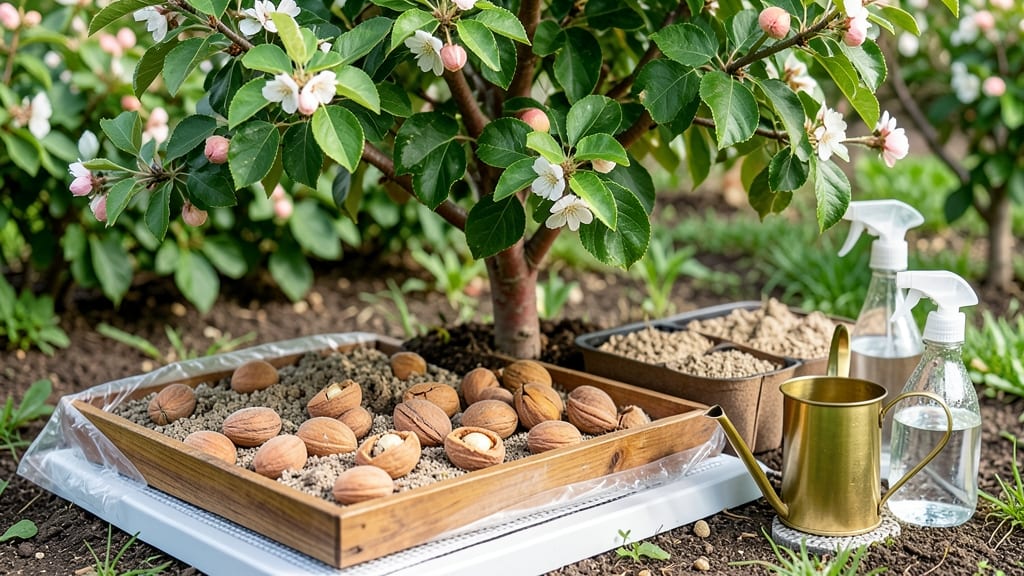
Growing a nectarine from a seed in your garden is the ultimate patience test—and the most rewarding gardening experiment you’ll ever try. 🌱 The first green shoot through that cracked pit shell feels like magic, but it takes 60 days of careful care to get a sturdy seedling ready for the garden.
I’ve grown three this way, and while none have fruited yet, the thrill of watching a stone fruit tree you nurtured from scratch is unmatched.
The process starts with a simple soak and cold stratification to break dormancy, then moves to a sunny windowsill where you’ll watch roots emerge like tiny green threads.
Most gardeners quit here, but the real work begins when you transplant that delicate seedling into soil—where it’ll either thrive or struggle depending on sunlight, water, and soil prep. I learned that hard way after my first seedling wilted from overwatering.
By day 60, you’ll have a 12-inch-tall sapling with real potential—though don’t expect fruit for years. The trees from seed take 5-7 years to bear, and the fruit won’t match store-bought nectarines (genetics are unpredictable), but the journey is pure joy.
The first real leaves will be fuzzy and bright, a sign you’re doing something right.
This method works best in zones 6-9, where nectarines thrive outdoors year-round. For colder climates, start seeds early indoors. The biggest challenge? Consistency—nectarine seedlings are finicky about moisture and light. But when you see that first branch form, you’ll understand why gardeners fall in love with growing from seed.
📚 In This Guide
- What you need
- Instructions
- Tips and common mistakes
- Wrapping up and next steps
What you need
- ● Nectarine pit (seed): 1 fresh, organic pit (avoid store-bought nectarines treated with chemicals).
- ● Growing medium: 1 small pot (4–6 inches in diameter) with drainage holes (required).
- ● High-quality seed-starting mix or a blend of 50% peat moss and 50% perlite (sterilized).
- ● Watering supplies: Spray bottle (for gentle moisture).
- ● Small watering can or cup (for deeper watering).
- ● Growth aids: Clear plastic wrap or humidity dome (to retain moisture).
- ● Grow lights or a sunny windowsill (south-facing, 6+ hours of light/day).
- ● Fungicide (e.g., hydrogen peroxide 3%) to prevent mold.
- ● Plant labels and a marker to track progress.
- ● Fertilizer (balanced 10-10-10 or organic compost) for transplanting.
- ● Heat mat (70–80°F) to speed up germination in cooler climates.
- ● Larger container (1-gallon pot) for when roots outgrow the starter pot.
Step-by-step instructions for growing a nectarine tree from seed
Here’s how to transform a simple pit into a thriving young tree—no fancy tools required.
🌱 Step 1: Extract and Stratify the Seed
Start by carefully cracking open a fresh nectarine pit with a nutcracker or hammer. Remove all the fleshy pulp inside—this prevents mold and speeds up germination. Once clean, place the seed between two damp paper towels and fold them into a loose packet. Store this in a sealed plastic bag in your refrigerator for 6-8 weeks. This cold stratification mimics winter conditions and breaks seed dormancy.
Check the towels weekly—keep them damp but not soggy. You’ll know stratification worked when the seed splits open slightly or you see a tiny white root emerging. This is your cue to move to the next step. If your kitchen runs cooler, the process might take up to 10 weeks—just be patient.
💧 Step 2: Plant the Germinated Seed
Fill a small 4-inch diameter pot with sterile seed-starting mix (not garden soil). Press the mix down gently to create a firm base, then make a ½-inch deep hole in the center. Plant the stratified seed with the pointed end facing upward—this ensures proper root development. Cover lightly with additional mix, leaving just the tip exposed.
Water the soil until it’s evenly moist but not waterlogged. Place the pot in a warm, bright location (like a south-facing windowsill) where temperatures stay between 65-75°F. Avoid direct sunlight at first—you’re aiming for indirect light until the first true leaves appear, which usually takes 10-14 days. Overwatering now will cause the seed to rot.
☀️ Step 3: Provide Optimal Light and Airflow
Once the seedling emerges, move it to a spot with 6-8 hours of direct sunlight daily. If your space lacks natural light, supplement with a grow light positioned 4-6 inches above the plant. You’ll notice leggy growth if the light is too weak—this means the seedling is stretching toward any available source. Rotate the pot a quarter turn weekly to encourage even growth.
When the seedling reaches 3-4 inches tall, transplant it into a 6-inch pot with fresh potting mix. This step prevents root binding and gives the young tree room to develop. Water deeply after transplanting, then allow the top inch of soil to dry out before watering again. This teaches the plant to establish a healthy moisture balance.
🪴 Step 4: Harden Off and Transition Outdoors
After 4-6 weeks of indoor growth, your nectarine seedling should have 4-5 true leaves and a sturdy stem. Begin hardening it off by placing the pot outside in a sheltered, shaded spot for 1-2 hours the first day. Gradually increase outdoor time over 10-14 days, exposing it to morning sun first and avoiding harsh afternoon rays.
By the time your last frost date arrives, the seedling should be ready for its permanent outdoor home. Choose a location with full sun and well-draining soil. Dig a hole twice as wide as the root ball but no deeper. Gently remove the seedling from its pot, loosen the roots if they’re circling, and plant it at the same depth it was growing indoors. Water thoroughly to settle the soil and reduce transplant shock.
⏰ Step 5: Maintain and Protect the Young Tree
Water the newly planted seedling deeply once a week, providing 1-2 gallons depending on soil dryness. Nectarine trees are drought-tolerant once established, but young plants need consistent moisture. Mulch around the base with 2-3 inches of organic mulch to retain soil moisture and suppress weeds—just keep it 2 inches away from the trunk to prevent rot.
Fertilize lightly in spring and early summer with a balanced 10-10-10 fertilizer, using ½ the recommended dose. Avoid heavy feeding, as this can encourage leafy growth at the expense of root development. Watch for pests like aphids or spider mites—spray affected areas with neem oil if needed. With proper care, your seedling will grow 2-3 feet tall by its first year.
Tips & tricks for growing a nectarine tree from seed
Here's what I learned after watching my first nectarine seedling go from pit to pot—don't skip these details.
Stratification Success: The 6-8 week cold period is non-negotiable for breaking dormancy, but don't rush it. Place your seed bag in the crisper drawer of your fridge where temperatures stay consistently cold. If you notice condensation forming, open the bag slightly to prevent mold. You'll know it's working when you see that first white root—this is your green light to move to planting.
Lighting Strategy: That 6-8 hours of direct sunlight in Step 3 is crucial, but timing matters just as much. Position your seedling to receive morning sun first—it's gentler and prevents scorching. If using a grow light, keep it 4-6 inches away and use a timer for 12-14 hours daily. Too close causes leaf burn, too far results in weak, leggy growth.
Transplanting Technique: When moving your 3-4 inch seedling to the 6-inch pot, score the bottom of the root ball with a knife if you notice roots circling. This encourages outward growth rather than a tangled mass. Water thoroughly after transplanting, but resist the urge to overwater—let the top inch dry before watering again to establish proper moisture balance.
Harden Off Gradually: The 1-2 hour outdoor exposure in Step 4 should increase by 30 minutes each day. Watch for wilting as your signal—this means you're moving too fast. Morning sun is ideal for hardening off because it's cooler and less intense than afternoon rays. If nighttime temperatures drop below 50°F, bring your seedling back indoors until it's fully acclimated.
Pro Tips for Nectarine Seed Grow A Garden
- Here's what I learned after watching my first nectarine seedling go from pit to pot—don't skip these details.
- Stratification Success: The 6-8 week cold period is non-negotiable for breaking dormancy, but don't rush it.
- Lighting Strategy: That 6-8 hours of direct sunlight in Step 3 is crucial, but timing matters just as much.
Frequently asked questions
Got questions about growing a nectarine tree from seed? You’re not alone!
Here are some of the most common concerns—and their answers—to help you navigate your gardening journey with confidence.
How long does it take for a nectarine seed to sprout?
A nectarine seed typically sprouts within 14–30 days after planting, depending on temperature and moisture. Keep the soil consistently damp (not soggy) and place the pot in a warm, sunny spot. Patience is key—some seeds take longer, especially if they’ve been stored or dried out.
Can I grow a nectarine tree from seed indoors in winter?
Yes! Start seeds indoors 8–12 weeks before your last frost date using a seed-starting mix and a heat mat (70–80°F). Place under grow lights (12–16 hours/day) until seedlings are 3–4 inches tall. Harden them off before transplanting outdoors in spring—just avoid frost!
Will my homegrown nectarine tree produce fruit like the parent?
Probably not! Seed-grown trees are unpredictable—fruit may differ in size, flavor, or even color. For consistent results, graft a named variety onto your seedling later. If you’re okay with surprises, enjoy the adventure of a unique tree!
What should I do if my nectarine seedling looks weak or yellow?
Yellowing leaves or weak growth often signal overwatering, pests, or nutrient deficiency. Check soil moisture (let it dry slightly between waterings), inspect for aphids or fungus, and fertilize lightly with a balanced 10-10-10 mix. Prune damaged leaves and improve airflow to prevent disease.
How big should my nectarine seedling be before transplanting?
Wait until your seedling has 3–5 true leaves and is at least 4–6 inches tall. Harden it off by placing it outdoors for a few hours daily over 7–10 days, gradually increasing exposure. Transplant on a cloudy day or late afternoon to reduce stress.
Pro Tip:
Label your seedlings! Nectarine trees from seed can take 3–5 years to bear fruit, so keep track of varieties. Use popsicle sticks or plant markers—future you will thank you!
Wrapping up and next steps
Growing a nectarine tree from seed is a rewarding journey that connects you to nature’s cycle—one pit at a time! 🌱 With patience and care, you’ve unlocked the magic of turning a simple seed into a potential fruit-bearing tree.
Now that you’re armed with the right techniques, why not take the next step? Share your progress with fellow gardeners, experiment with different varieties, or even gift a sapling to a friend.
Every seed planted today could bloom into a bountiful harvest tomorrow—so roll up your sleeves and let your green thumb shine!