
Lawn
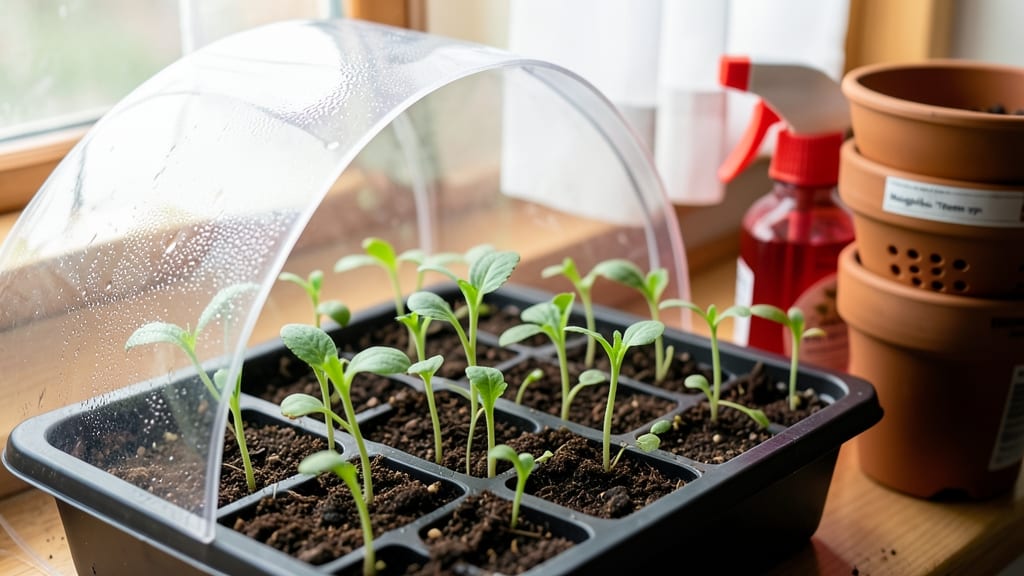
Marigold seed sprouts appear faster when you give them warmth and consistency—7 days is totally doable with the right setup. 🌱 I’ve watched dozens of marigold seeds push through soil in just a week by using a simple heat trick that mimics their natural tropical environment.
The secret isn’t complicated: it’s all about temperature, moisture, and a little patience during those first critical days.
You’ll need a flat tray, some well-draining seed-starting mix, and a heat mat or even a sunny windowsill—marigolds love warmth, ideally between 75-85°F. Keep the soil lightly moist (not soggy) and cover the tray with plastic wrap to trap humidity.
Once the seeds sprout—those first tiny green hooks breaking through—remove the cover and give them bright, indirect light. That’s when the magic happens.
What you’ll end up with are sturdy, vibrant seedlings ready for transplanting in about 3-4 weeks. The foliage stays a rich, glossy green, and those signature orange or gold blooms will follow soon after.
The best part? These sprouts are tough—they handle minor setbacks like temperature dips or uneven watering better than many other flowers.
Works for both French and African marigolds, and even in small spaces like apartments or greenhouses. The key is consistency: keep the soil warm, the light bright, and the moisture steady. Here’s how to troubleshoot if things stall—because even the best-laid plans sometimes need a little adjustment.
📚 In This Guide
- What you need
- Instructions
- Tips and common mistakes
- Wrapping up and next steps
What you need
- ● Marigold seeds: Choose Tagetes varieties (e.g., French, African, or Signet). Start with 10-20 seeds for a small batch or 50+ seeds for larger germination.
- ● Seed trays or small pots: Use 2-4 inch deep trays with drainage holes (e.g., 1020-cell trays or 4-inch pots). 1 tray holds ~50 seeds.
- ● High-quality seed starting mix: A lightweight, sterile blend (e.g., Pro-Mix BX or coconut coir). Avoid garden soil—it’s too dense!
- ● Watering can or spray bottle: A fine-mist sprayer keeps seeds moist without drowning them.
- ● Plastic wrap or humidity dome: Creates a mini greenhouse to retain warmth and moisture. A clear plastic bag works in a pinch!
- ○ Heat mat (optional but game-changing!): A seedling heat mat (set to 75–85°F) speeds germination by 2–3 days.
- ● Grow lights or sunny windowsill: Marigolds need 12–16 hours of light daily. A LED grow light (e.g., Spectrum 24") works indoors.
- ● Fertilizer (after sprouting): A balanced liquid fertilizer (e.g., Fish Emulsion 5-5-5) at ½-strength once sprouts have 2 true leaves.
- ● Tweezers or small spoon: For gently pressing seeds into soil without crushing them.
- ○ Thermometer (optional): Monitors soil temperature—ideal range: 70–85°F for germination.
Step-by-step instructions for germinating marigold seeds quickly
Here’s how I get marigold seeds sprouting in just 7 days—no waiting weeks.
🌱 Step 1: Prep Seeds for Faster Germination
Soak marigold seeds in lukewarm water for 12-24 hours before planting. This softens the tough outer coating and speeds up sprouting. I use a small bowl or even a damp paper towel to hold them overnight—just make sure they stay submerged but not drowned.
After soaking, gently pat the seeds dry with a paper towel. This prevents mold while keeping them primed to germinate. You’ll see the seeds plump up slightly—that’s your first sign they’re ready to sprout.
💧 Step 2: Plant in Warm, Moist Soil
Fill seed trays or small pots with well-draining potting mix and moisten it until damp but not soggy. Marigolds love warmth, so place the tray on a seedling heat mat set to 75-80°F. If you don’t have a heat mat, a sunny windowsill or a warm spot near your fridge works in a pinch.
Sow seeds ¼ inch deep—any deeper and they’ll struggle to break through. Space them ½ inch apart to avoid overcrowding later. Lightly cover with soil and mist the surface with water until evenly damp. Overwatering now can drown seeds before they sprout.
☀️ Step 3: Keep Humid and Watch for Sprouts
Cover the tray with a clear plastic dome or plastic wrap to trap warmth and humidity. Check daily for condensation—if the lid fogs up, you’ve got the right moisture level. Remove the cover as soon as you see green sprouts, usually within 5-7 days.
Once sprouts appear, move them to a bright spot with 6+ hours of indirect light. Direct sun can scorch tiny seedlings. You’ll know they’re happy when their first true leaves (not the initial seed leaves) are vibrant green and firm to the touch.
⏰ Step 4: Thin and Transplant Young Seedlings
When seedlings reach 2 inches tall and have 2-3 sets of true leaves, thin the weakest ones to leave the strongest 1-2 plants per cell. Use scissors to snip at soil level—pulling can disturb roots. This prevents competition and gives remaining plants room to grow.
After thinning, transplant seedlings into individual 3-inch pots with fresh potting mix. Keep them in a warm, shaded spot for 3-5 days to recover before introducing them to full sun. You’ll see new growth within a week—that’s your signal everything’s on track.
Tips & tricks for perfect marigold seed germination
Here's what I learned after struggling with slow-sprouting marigolds for years—these tricks cut your wait time by half.
Soaking Secret: The 12-24 hour soak is non-negotiable for marigold seeds, but here's the trick I wish I knew: use lukewarm water (about 85°F) rather than cold or hot water. Cold water won't soften the seed coating fast enough, while hot water can damage the delicate embryo inside. I like to use a shallow bowl and stir occasionally to keep oxygen circulating—this prevents any mold from forming during the soaking process.
Warmth Hack: That 75-80°F heat mat recommendation isn't just about speed—it's about consistency. If your home is cooler than 68°F, you'll need that extra warmth to compensate. I've found that placing the seed tray on top of my fridge (where it's naturally warmer) works almost as well as a heat mat. The key is maintaining that temperature range—any cooler and germination slows dramatically, any hotter and you risk overheating the seeds.
Lighting Strategy: Once those green sprouts appear, don't rush to move them into direct sunlight just yet. Start with 6+ hours of indirect light to prevent scorching the tender seedlings. I use a south-facing window with sheer curtains to diffuse the light. After about 5 days of this gentle introduction, you can gradually increase their sun exposure. This slow transition prevents what I call "sunburn shock"—tiny brown spots on the leaves that can stunt growth.
Thinning Technique: When it comes time to thin your seedlings in Step 4, I've found that using clean scissors is better than pulling by hand. The roots are extremely delicate at this stage, and pulling can damage the remaining plants' roots. Snip at soil level and compost the weaker seedlings—they'll still have some viable roots to break down. This method gives your strongest plants the best possible start without disturbing their neighbors.
Pro Tips for Marigold Seed Sprouts
- Here's what I learned after struggling with slow-sprouting marigolds for years—these tricks cut your wait time by half.
- Soaking Secret: The 12-24 hour soak is non-negotiable for marigold seeds, but here's the trick I wish I knew: use lukewarm water (about 85°F) rather than cold or hot water.
- Warmth Hack: That 75-80°F heat mat recommendation isn't just about speed—it's about consistency.
Frequently asked questions
Got questions about growing marigold seed sprouts?
Here are answers to the most common ones to help you succeed with your fast-growing garden helpers!
How long do marigold seeds take to sprout?
With the right warmth tricks (like using a heat mat or warm water soak), marigold seed sprouts typically appear in 7–10 days. If your seeds take longer than 2 weeks, check moisture levels or try a fresh batch—some seeds just need a little extra patience!
What’s the best way to speed up germination?
Marigold seeds love warmth! Pre-soak them in warm water for 4–6 hours, then plant in moist, warm soil (70–75°F). Use a clear plastic dome or heat mat to keep humidity high. Avoid cold drafts—they’ll slow things down. Pro tip: A sunny windowsill or grow light can work wonders!
Can I plant marigold sprouts directly outside?
Yes, but wait until nighttime temps stay above 55°F (13°C) to avoid frost damage. Harden off seedlings by placing them outside for a few hours daily before full transplant. Choose a sunny spot with well-draining soil—marigolds thrive in full sun!
Why aren’t my marigold seeds sprouting?
Common culprits include old seeds (marigolds lose viability after 1–2 years), too-cold soil, or dry conditions. Try scratching the seed coat lightly with sandpaper (some seeds need light to germinate) or test a few in a damp paper towel to see if they’re viable.
Are there faster-growing marigold varieties?
French marigolds (like ‘Bonanza’ or ‘Jumbo’) and some African marigolds (e.g., ‘Crackerjack’) germinate quickly and grow fast. Avoid ‘Signet’ varieties—they’re slower to sprout. For speed, stick to French or African types and use the warmth tricks above!
Wrapping up and next steps
Growing marigold seed sprouts in just 7 days is totally doable with the right warmth tricks and patience!
Whether you’re boosting your garden’s beauty or warding off pests naturally, these vibrant sprouts are a game-changer. 🌱 Start small—experiment with a few trays—and soon, you’ll be reaping the rewards of fast, healthy growth.
Ready to take the next step? Grab your supplies, follow the warmth hacks, and watch those sprouts pop in no time! Happy gardening! 🌞