
Size
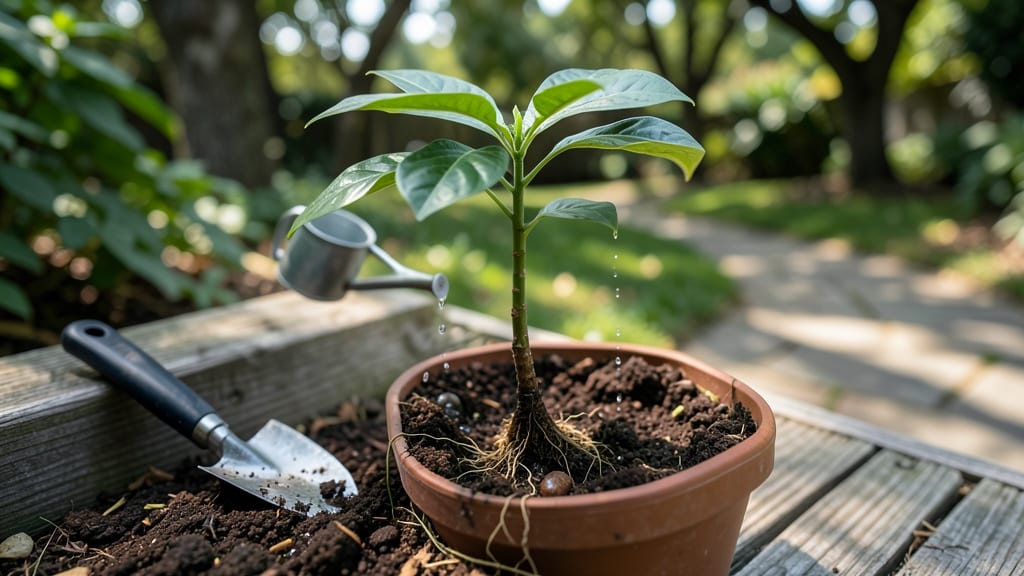
That mango seed could grow a garden full of fruit in 10 years—if you're patient. 🌱 I cracked the code after my first seedling finally broke through the soil last spring, and now I'm sharing exactly how to start yours without losing hope when nothing happens for months.
The secret isn't fancy equipment—just a warm spot, the right soil mix, and knowing when to water (not too much, not too little). Most people quit when germination takes 3-6 months, but that's normal. The key is keeping the seed moist but not soggy, and giving it consistent warmth.
By year two, you'll see real leaves and a trunk forming—proof you're on the right track. The first flowers might not produce fruit, but each year gets you closer to that dream tropical harvest.
Works anywhere with warm winters or containers you can move indoors. Here's how to begin!
📚 In This Guide
- What you need
- Instructions
- Tips and common mistakes
- Wrapping up and next steps
What you need
- ● Mango seed: 1 fresh, plump seed (preferably from a ripe, organic mango for best germination). Pro tip: 💡 Avoid seeds from hybrid or grafted mangoes—they may not yield true fruit!
- ○ Well-draining potting mix: 1 small bag (5-10 quarts) of a lightweight blend (e.g., 50% peat moss, 30% perlite, 20% coconut coir). Optional: Add a handful of vermiculite for extra moisture retention.
- ● Seed-starting tray or small pots: 1-2 (4-6 inches deep) with drainage holes. Budget-friendly swap: Repurpose yogurt cups or plastic containers with holes poked in the bottom!
- ● Plastic wrap or humidity dome: 1 sheet (to create a mini greenhouse effect).
- ● Spray bottle: 1 (for gentle watering).
- ● Grow lights or sunny windowsill: Access to 6+ hours of indirect light daily (or a 12-hour photoperiod with grow lights).
- ● Fertilizer (balanced, water-soluble): 1 small bottle (e.g., 10-10-10 or fish emulsion). Wait: Hold off until the seedling sprouts its second set of leaves!
- ● Heating mat: 1 (to keep soil warm, 70–85°F, for faster germination).
- ● Humidity tray: 1 (a shallow tray with pebbles and water to boost moisture).
- ● Pruning shears: 1 pair (for future shaping as the tree grows).
- ● Mulch (e.g., straw or wood chips): 1 bag (once transplanted outdoors).
- ● pH testing kit: 1 (to check soil acidity—mangoes prefer 5.5–7.0).
Step-by-step instructions for growing a mango tree from seed
Turn that grocery-store mango pit into a towering tropical tree with these simple steps.
🌱 Step 1: Extract and Prepare the Seed
Start with a ripe, fresh mango—never one that's been chilled or stored for weeks, as cold exposure damages the seed. Cut the fruit open and remove the large, flat seed inside. Rinse it thoroughly under warm water to remove any pulp clinging to the surface. The seed's outer shell is tough, so gently scrape away any remaining fruit with a spoon to prevent mold.
Here's the thing—mango seeds need to be fresh to germinate well. If you're starting from a seed that's been stored dry for more than a few days, soak it in warm water for 24 hours to rehydrate it. You'll know it's ready when the seed feels slightly softer and the water stays cloudy from the released starches.
💧 Step 2: Germinate the Seed in Water
Place the cleaned seed in a small glass or jar and fill it with room-temperature water until the seed is completely submerged. Keep it in a warm spot—75-85°F works best—like on top of your fridge or near a sunny window. Change the water every 2-3 days to prevent bacterial growth. You'll see tiny roots emerge first, usually within 7-14 days.
Once the roots reach about 1-2 inches long, you'll notice a small sprout pushing upward from the seed. This is your signal to move to soil. Don't wait too long—roots growing beyond 3 inches can become tangled and stressed during transplanting. I like to keep a small notebook nearby to track germination progress, as some seeds take longer than others.
🪴 Step 3: Plant the Germinated Seed
Fill a 4-6 inch diameter pot with well-draining potting mix—avoid garden soil, as it's too dense and can cause root rot. Make a small hole in the center, about 1 inch deep, and gently place the seed with its roots pointing downward. Cover the roots lightly with soil, leaving the sprout exposed. Press the soil down gently but firmly to eliminate air pockets.
Water the soil until it's moist but not soggy—you want it to feel like a damp sponge. Place the pot in a bright, indirect light spot, like a few feet from an east-facing window. Direct sunlight at this stage can scorch the delicate sprout. Keep the soil consistently moist by checking the top inch daily; if it feels dry, give it a light watering.
☀️ Step 4: Care for the Seedling
When the seedling reaches 4-6 inches tall, it's time to introduce it to more light. Gradually move it to a south-facing window or under a grow light for 12-14 hours a day. You'll see the leaves grow larger and darker green, which means it's thriving. Mango seedlings grow slowly at first, so don't rush it—patience is key here.
Once the seedling has 4-5 sets of true leaves (not the first pair of seed leaves), it's ready for its first repotting into a 6-8 inch pot. Use the same well-draining mix and water it thoroughly after transplanting. Real talk: Mango trees are tropical and love humidity, so if your home is dry, mist the leaves occasionally or place a tray of water nearby to increase moisture.
⏰ Step 5: Transition to Outdoor Conditions
After the seedling has grown for 6-12 months and is at least 2 feet tall, it's time to acclimate it to outdoor conditions. Start by placing it outside in a sheltered spot for 1-2 hours the first day, gradually increasing its time outside over 7-10 days. This process, called hardening off, helps the seedling adjust to wind, sun, and temperature fluctuations.
Once it's spending full days outside, choose a permanent outdoor location with full sun and well-draining soil. Mango trees are tropical and need warmth—they won't survive frost, so if you live in a cold climate, grow it in a large pot that you can move indoors during winter. Water deeply 1-2 times a week, ensuring the soil stays moist but not waterlogged.
Tips & tricks for growing a mango tree from seed
Turn your kitchen scraps into a thriving tropical tree with these essential insights that'll help you avoid common pitfalls.
Seed Selection: Not all mango seeds germinate equally—choose seeds from ripe, organic mangoes when possible. The fresher the fruit, the better your chances. I've found that seeds from heirloom varieties often germinate more reliably than those from grocery store hybrids. If your seed feels unusually hard or shows cracks, it may already be compromised—start fresh with a new one.
Germination Environment: That 75-85°F temperature range is non-negotiable for consistent germination. If your home runs cooler, place the jar on top of your fridge or near a sunny window with a heat mat underneath. I've seen germination rates drop by 50% when seeds sit in temperatures below 70°F. Keep the water level just covering the seed—too much can cause rot, while too little may prevent proper hydration.
Transplant Timing: The moment your roots hit 1-2 inches is your window to move to soil. Waiting until they're longer risks damaging the delicate root system during transplant. I recommend using a small hand trowel to carefully lift the seed from water, gently shaking off excess moisture before planting. This minimizes shock to the seedling when it encounters soil for the first time.
Light Transition Strategy: When moving your 4-6 inch seedling to brighter light, do it gradually over 3-5 days. Sudden exposure to full sun can cause leaf scorch, which looks like crispy brown edges. I've had success using a sheer curtain to diffuse direct sunlight during the adjustment period. This mimics the natural shade patterns in tropical forests where mango trees originate.
Pro Tips for Mango Seed Grow A Garden
- Turn your kitchen scraps into a thriving tropical tree with these essential insights that'll help you avoid common pitfalls.
- Seed Selection: Not all mango seeds germinate equally—choose seeds from ripe, organic mangoes when possible.
- Germination Environment: That 75-85°F temperature range is non-negotiable for consistent germination.
Frequently asked questions
Got questions about growing a mango tree from seed? You’re not alone!
Here are answers to the most common queries—from patience to pitfalls—so you can turn that kitchen scrap into a tropical treasure.
How long does it take for a mango seed to sprout?
A mango seed typically sprouts within 2–4 weeks if kept moist and warm (70–80°F). Some stubborn seeds take up to 8 weeks. Patience is key—just keep the soil damp (not soggy) and place it in bright, indirect light. If nothing happens after 2 months, the seed may not be viable. Try another!
Can I grow a mango tree from seed indoors?
Start indoors in a 6-inch pot with well-draining soil. Place near a sunny window or under grow lights (12+ hours/day). Once the seedling is 6+ inches tall and spring arrives, transplant it outdoors in a warm climate (zones 10–11). Pro tip: Use a heat mat to speed up germination if your home runs cool.
Will my homegrown mango tree produce fruit?
Most seed-grown mango trees take 5–10 years to bear fruit—and even then, the fruit may not match the parent tree’s quality. For reliable, delicious mangos, consider grafting (ask a local nursery) or buying a dwarf variety. Seedlings are fun for experiments, but grafting ensures better yields and flavor.
What if my mango seedling wilts or turns yellow?
Yellowing leaves or wilting often signal overwatering or root rot. Let the top inch of soil dry out between waterings, and ensure the pot has drainage holes. If pests (like aphids) are the culprit, spray with soapy water or neem oil. Quick fix: Trim damaged leaves and repot in fresh soil if needed.
Can I grow a mango tree in a container?
Yes! Use a large pot (15+ gallons) with drainage and a mix of potting soil and perlite. Choose a dwarf variety (like ‘Cogshall’) for better container success. Move the pot outdoors in summer (full sun) and bring it inside when temps drop below 50°F. Fertilize lightly every 2 months with citrus/mango fertilizer.
What’s the best time of year to plant a mango seed?
Spring (after last frost) is ideal for outdoor planting, but you can start seeds indoors anytime year-round. If you’re in a cooler climate, begin seeds in winter to give seedlings a head start. Mango trees love heat, so avoid planting outdoors until soil temps stay above 60°F consistently.
Wrapping up and next steps
Growing a mango tree from a seed is a rewarding journey that turns kitchen scraps into a tropical treasure! 🌱 With patience, care, and the right conditions, you can nurture a plant that may one day bear fruit—even if it takes years.
Whether you’re a beginner or a seasoned gardener, this project is a fun way to connect with nature and enjoy the sweet promise of homegrown mangoes.
Ready to take the next step? Start small—plant your seed today and watch it grow! If you’re eager to expand your green thumb, explore other tropical fruits or share your progress with fellow plant lovers. Happy gardening! 🌴✨