
Lawn
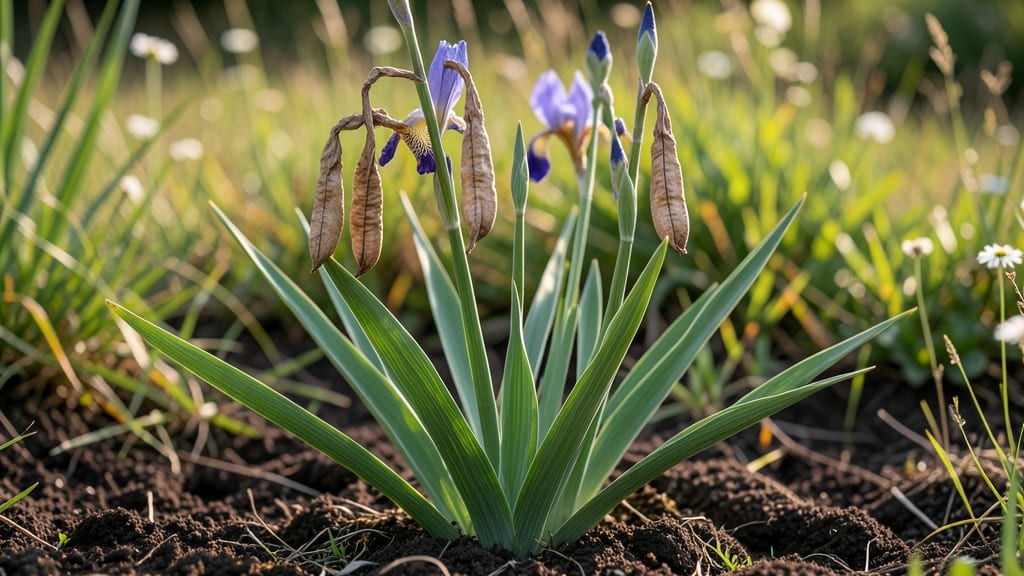
Harvesting Louisiana iris seed pods turns your garden into a nursery for next year’s blooms. 🌿 These unique, football-shaped pods appear after flowers fade in late spring, and knowing when to collect them makes all the difference for reliable germination.
I’ve learned that timing—right after they turn brown but before they split open—is everything for preserving seed viability in our humid climate.
The process is simple but requires patience: dry the pods indoors for a week, then crack them open to reveal tiny black seeds. Louisiana irises need cold stratification—mimicking winter—to break dormancy, which means mixing seeds with damp sand and refrigerating them for 6-8 weeks.
This step is non-negotiable; without it, most seeds won’t sprout, and you’ll end up with empty pots come spring.
By late winter, you’ll see those first green shoots pushing through the soil, signaling success. The seedlings grow quickly in Louisiana’s warm springs, and with proper spacing, they’ll bloom in their second year—often producing more vibrant colors than the parent plant.
The key is keeping them moist but not soggy during their first growing season, which can be tricky in our heavy clay soils.
This method works best for Louisiana’s native varieties like ‘Blue Moon’ or ‘St. Louis,’ which thrive in our heat and humidity. If you’ve ever struggled with iris propagation, this approach cuts out the guesswork.
Just remember: the sooner you start, the sooner you’ll have a patch of irises that’ll make your neighbors ask, “How’d you do that?”
📚 In This Guide
- What you need
- Instructions
- Tips and common mistakes
- Wrapping up and next steps
What you need
- ● Louisiana iris seed pods: Freshly harvested (preferably from mature, healthy plants). Aim for at least 10-15 pods for reliable germination.
- ● Paper bags or breathable mesh bags: 1-2 bags (size: ~12" x 16") for drying pods. Avoid plastic—it traps moisture!
- ● Pruning shears or sharp scissors: For cleanly snipping seed pods from stems.
- ● Plastic zip-top bags or airtight containers: 1-2 bags (quart-sized) for stratification.
- ● Moistened peat moss or coconut coir: 1 small bag (for stratification medium). Keep damp but not soggy.
- ● Labeling tags or masking tape + marker: To track seed pod varieties and harvest dates.
- ● Fine-mesh sieve: For separating seeds from dried pods (if desired).
- ● Refrigerator or cold frame: For controlled stratification (if your climate isn’t naturally cold enough).
- ● Garden journal/notebook: To log drying dates, stratification progress, and germination timelines.
- ● Humidity tray: A shallow tray with water and pebbles to maintain moisture during drying.
Step-by-Step guide to harvesting, drying, and stratifying Louisiana iris seed pods
Here's the precise method I've used for years to maximize germination rates and healthy spring blooms.
🌱 Step 1: Harvest Seed Pods at Peak Ripeness
Wait until the seed pods turn a deep brown color and begin to split open naturally along their seams. This typically occurs in late summer to early fall, depending on your climate zone. Louisiana irises produce pods that resemble long, slender beans—don't harvest them too early, as immature seeds won't germinate well. I like to harvest on a dry morning when the pods are fully mature but haven't yet released their seeds.
Use clean, sharp pruning shears to snip the pods from the stem, leaving about ½ inch of stem attached. This prevents the pods from drying out too quickly and helps preserve seed viability. Place the harvested pods in a paper bag immediately to prevent moisture loss. Avoid plastic bags, as they trap humidity and can encourage mold growth.
🌿 Step 2: Dry the Seed Pods Properly
Spread the harvested pods out in a single layer on a clean, dry surface in a well-ventilated area. I prefer using a mesh screen or a piece of window screen to allow airflow on all sides. Keep the pods out of direct sunlight, as excessive heat can damage the seeds inside. The drying process should take about 2-3 weeks until the pods are completely dry and brittle to the touch.
You'll know the pods are ready when they rattle when shaken and the outer shell feels papery thin. If any pods develop mold or soft spots during drying, remove them immediately to prevent spoilage. Store the dried pods in a cool, dry place in a sealed container until you're ready to process them. Proper drying is critical—under-dried pods may rot, while over-dried seeds lose viability.
⏰ Step 3: Extract and Stratify the Seeds
Once fully dry, gently squeeze each pod to release the seeds inside. Louisiana iris seeds are small, flat, and dark brown with a slightly wrinkled texture. I like to do this over a clean sheet of paper to catch any stray seeds. You should have about 4-6 seeds per pod, though this can vary. Place the extracted seeds in a small container with a moistened paper towel—just enough moisture to keep the towel damp but not soaking wet.
Seal the container loosely with plastic wrap and place it in the refrigerator for 8-12 weeks. This cold stratification mimics winter conditions and breaks seed dormancy. Check the seeds periodically to ensure the paper towel remains moist but not soggy. After stratification, plant the seeds immediately in well-draining soil, as they lose viability quickly once removed from cold storage.
☀️ Step 4: Plant Stratified Seeds for Spring Growth
Prepare a seedbed with loose, well-draining soil mixed with a bit of sand to improve drainage. Louisiana irises thrive in moist but not waterlogged conditions, so avoid heavy clay soils. Plant the stratified seeds about ¼ inch deep and 2 inches apart in rows. Water gently to settle the soil around the seeds, but avoid overwatering, which can cause the seeds to rot.
Keep the seedbed consistently moist but not soggy until germination, which typically occurs in 4-6 weeks after planting. You'll see the first true leaves emerge as slender, grass-like shoots. Once seedlings reach about 3-4 inches tall, thin them to 6 inches apart to give each plant room to grow. Be patient—Louisiana iris seedlings grow slowly but develop strong root systems that support robust blooms in their second or third year.
Tips & tricks for perfect Louisiana iris seed pod processing
These insider techniques will help you maximize germination success and avoid common pitfalls in your iris propagation journey.
Harvest Timing: The deep brown color and natural splitting of Louisiana iris seed pods signals peak ripeness. I've learned the hard way that harvesting too early results in seeds that won't germinate—wait until you see those telltale splits along the seams. Morning harvests work best because the pods are fully hydrated from overnight dew, making them easier to handle without crushing. The attached ½-inch stem stem acts like a natural wick, preventing premature drying during transport.
Drying Strategy: For that perfect brittle texture in Step 2, I recommend using a mesh screen elevated slightly off the ground. This allows airflow underneath while preventing pests from crawling up. The 2-3 week drying period is critical—pods dried too quickly lose viability, while those dried too slowly risk mold. Place a small fan nearby on low setting to maintain gentle airflow without creating drafts. You'll know they're ready when they rattle like maracas when shaken.
Stratification Secrets: During the 8-12 week cold treatment in Step 3, I place a small piece of chalk in the container to help monitor moisture levels—when the chalk shows signs of dampness, it's time to refresh the paper towel. The loose plastic wrap seal is key here: it prevents complete dehydration while allowing minimal gas exchange. I've found that using a clear container lets me easily check seed condition without disturbing the stratification process.
Planting Precision: When planting those stratified seeds in Step 4, use a toothpick to create small planting holes—this gives you better control over the exact ¼-inch depth. The 2-inch spacing between seeds might seem generous, but it prevents overcrowding as seedlings develop their robust root systems. I always mark seed rows with small wooden stakes to avoid disturbing them during watering, which can displace newly planted seeds.
Pro Tips for Louisiana Iris Seed Pods
- These insider techniques will help you maximize germination success and avoid common pitfalls in your iris propagation journey.
- Harvest Timing: The deep brown color and natural splitting of Louisiana iris seed pods signals peak ripeness.
- Drying Strategy: For that perfect brittle texture in Step 2, I recommend using a mesh screen elevated slightly off the ground.
Frequently asked questions
Got questions about Louisiana iris seed pods? You’re not alone—growing from seed takes patience and know-how! Here are answers to the most common queries to help you succeed.
When should I harvest Louisiana iris seed pods?
Harvest seed pods when they turn tan or brown and begin splitting open—usually late summer to early fall (August–October in Louisiana’s climate). Wait too long, and the seeds may scatter or attract pests. Pick them on a dry day to prevent mold.
How long does it take for Louisiana iris seeds to germinate?
Stratification (cold treatment) is key! After drying, plant seeds in fall or stratify them for 6–8 weeks in a moist medium at 35–40°F. Germination can take 3–12 months—be patient! Young seedlings may not bloom for 2–3 years.
Can I grow Louisiana irises from seed pods without stratification?
Stratification dramatically improves germination rates. Without it, seeds may rot or take years to sprout. If you skip stratification, try planting pods directly in the ground in fall—nature’s cold will handle the process for you!
Why are my Louisiana iris seed pods getting eaten or damaged?
Pests like slugs, squirrels, or birds love fresh seed pods. Harvest pods early when they’re still closed, or cover plants with netting. Once dried, store pods in a paper bag (not plastic) in a cool, dry place to deter critters.
Will Louisiana iris seedlings grow true to the parent plant?
Seed-grown irises may vary in color or form from the parent. For guaranteed traits, divide mature rhizomes instead. But if you love surprises, seed-growing is rewarding—just expect 10–20% of seedlings to match the parent closely!
Wrapping up and next steps
Harvesting, drying, and stratifying Louisiana iris seed pods is a rewarding way to ensure vibrant spring blooms year after year! 🌱 With patience and the right techniques, you’re well on your way to nurturing these stunning perennials. Now’s the perfect time to take action—plant those seeds and watch your garden transform!
🌿 Next Steps:
- Mark your calendar for spring planting (typically 4–6 weeks before your last frost).
- Monitor your stratified seeds for sprouting—keep soil moist but not soggy!
- Share your progress with fellow gardeners (or tag us online!) for extra tips and inspiration.