
Size
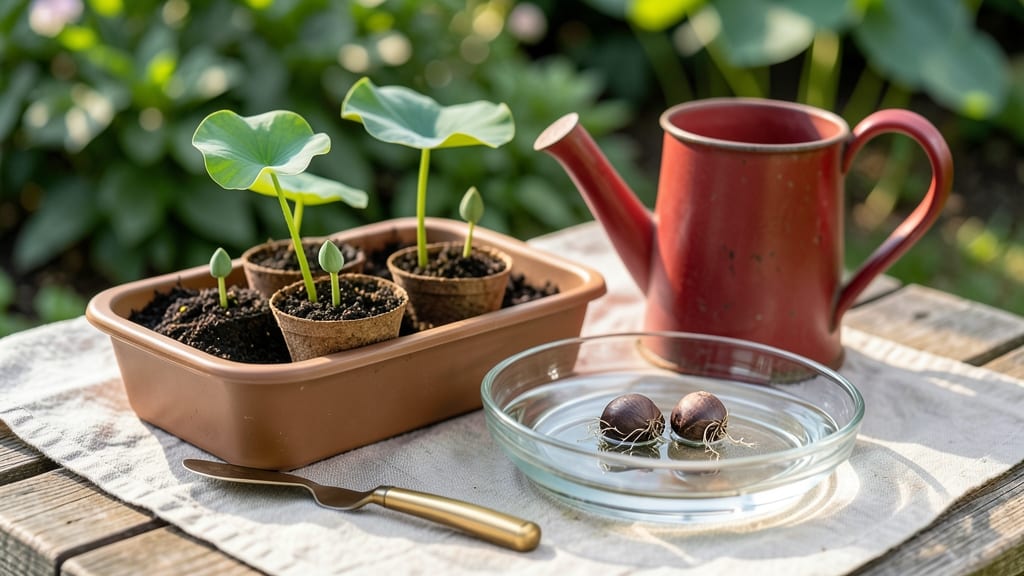
Growing a garden with lotus seed starts with a 30-day cold trick—the secret to breaking dormancy and getting those stubborn seeds to sprout. 🌱 I’ve tried planting them straight into soil, and they never budged until I learned about cold stratification.
This simple process mimics winter’s natural cycle, tricking seeds into thinking spring has arrived.
You’ll need moistened peat moss or a damp paper towel to wrap your seeds, then store them in the fridge for exactly 30 days. After that, they’re ready to plant in well-draining soil, whether you’re creating a pond or a container garden.
The key is patience—it can take 2-3 weeks for those first green shoots to appear, but once they do, you’re on your way to dramatic blooms.
Once sprouted, lotus plants thrive in full sun and shallow water (if aquatic) or moist soil (if terrestrial). The real magic happens in summer, when those iconic blooms rise above the water like golden lanterns. Just watch for slugs—they adore young shoots—and keep the water level consistent.
This method works for both hardy lotus varieties and tropical types, though timing matters. Start cold stratification in late winter for summer blooms, or experiment with fall planting in warmer climates. The payoff? A garden that feels like a secret Japanese painting come to life.
📚 In This Guide
- What you need
- Instructions
- Tips and common mistakes
- Wrapping up and next steps
What you need
- ● Lotus seeds: High-quality, organic lotus seeds (10–20 seeds per container or direct-sowing spot). Choose Nelumbo nucifera (Asian lotus) or Nelumbo lutea (American lotus) based on your climate.
- ● Cold stratification setup: Refrigerator or cold frame (35–45°F / 2–7°C)
- ● Moistened paper towels or peat moss (enough to lightly cover seeds)
- ● Plastic bag or airtight container (to retain moisture)
- ● Growing containers: 4–6-inch pots (2–3 per seed) with drainage holes or a shallow tray for direct sowing in outdoor ponds.
- ● Potting mix: Well-draining, peat-based mix (e.g., 50% peat moss, 30% perlite, 20% compost). Avoid heavy clay soil.
- ● Water source: Gentle spray bottle (for misting) or a watering can with a fine rose.
- ● Sunlight access: South-facing window or grow lights (12–16 hours/day during stratification).
- ● Seed starter heat mat (to accelerate germination, 70–75°F / 21–24°C).
- ● Humidity dome or plastic wrap (to retain moisture during early growth).
- ● Water thermometer (to monitor pond/container water temp, ideal: 70–85°F / 21–29°C).
- ● Floating plant supports (e.g., bamboo stakes) for vertical growth.
- ● Organic fertilizer (balanced 10-10-10 or fish emulsion, diluted to half-strength).
Step-by-step instructions for growing lotus from seed with cold stratification
Here's how I transform delicate lotus seeds into thriving plants using a proven cold-start method.
🌱 Step 1: Prepare Seeds for Cold Stratification
Lotus seeds need a 12-16 week cold period to break dormancy. Start by soaking the seeds in lukewarm water for 24 hours—this softens the hard outer shell. I use a shallow dish and change the water twice daily to prevent mold. After soaking, place the seeds in a paper towel-lined container and refrigerate at 35-45°F.
Check the seeds weekly. You'll see tiny white roots (¼ inch long) after 4-6 weeks—this means stratification is working. Keep the paper towel moist but not soggy. If you see mold, discard those seeds immediately and start fresh with new ones.
☀️ Step 2: Plant Stratified Seeds in Water
Once roots appear, transfer each seed to its own 4-inch pot filled with 2 inches of water. I use clear plastic containers so I can monitor root growth. Place the pots in bright, indirect light—direct sun will overheat the water and stress the seedlings.
Change the water every 3-4 days to prevent algae buildup. You'll notice small green shoots emerging from the seed after 2-4 weeks. At this stage, the seedlings are extremely delicate—avoid disturbing them. If the water becomes cloudy, replace it immediately to prevent root rot.
🪴 Step 3: Transition to Soil and Provide Warmth
When seedlings reach 2-3 inches tall with 2-3 true leaves, it's time to plant them in soil. Fill a 6-inch pot with moist potting mix mixed with 20% perlite for drainage. Gently remove the seedling from the water, being careful not to damage the roots, and plant it 1 inch deep.
Place the pot in a warm location (70-75°F) with bright, indirect light. I use a seedling heat mat under the pot to maintain consistent warmth. Water gently from the bottom by placing the pot in ½ inch of water for 10 minutes—this prevents stem rot while keeping roots hydrated.
💧 Step 4: Acclimate to Outdoor Conditions
After 4-6 weeks in soil, when the seedlings show 4-5 true leaves, they're ready for outdoor acclimation. Start by placing them in a shaded, sheltered spot for 1-2 hours daily. Gradually increase exposure over 10-14 days, moving them to morning sun first before full sun.
Watch for yellowing leaves—this signals stress. If you see it, move the plant back to shade and water more frequently. Once seedlings tolerate 6 hours of sun daily without wilting, they're ready for permanent outdoor planting. Choose a location with at least 6 hours of sun and 3-4 feet of water depth for mature plants.
⏰ Step 5: Maintain Through First Growing Season
Plant lotus seeds in early spring after the last frost. Space plants 3 feet apart in 6 inches of water or moist soil. Mulch heavily with 3 inches of organic matter to retain moisture and suppress weeds. Water deeply twice weekly during dry spells, ensuring the soil never dries out completely.
Fertilize lightly with balanced liquid fertilizer (10-10-10) every 4-6 weeks during the growing season. You'll see the first blooms in 2-3 years, but the real magic happens in year three when plants establish fully. Deadhead spent blooms to encourage more flowers and prevent seed production until the plant is fully mature.
Tips & tricks for perfect lotus seed germination
Here's what nobody tells you about growing these elusive aquatic beauties from seed.
Stratification Success: The 12-16 week cold period is non-negotiable—this mimics winter conditions the seeds need to break dormancy. I've learned the hard way that skipping this step results in zero germination. Use a refrigerator's crisper drawer for consistent 35-45°F temperatures. Pro tip: Place a thermometer inside your container to monitor temps—some fridges have hot spots that can kill your seeds.
Root Monitoring: Those tiny white roots appearing after 4-6 weeks are your green light to proceed. I use clear containers so I can track progress without disturbing them. If roots aren't visible by week 8, your seeds might need a longer cold period—don't give up yet! The key is patience; lotus seeds aren't like fast-growing annuals.
Water Quality Matters: When transitioning to water culture, use filtered or distilled water if possible—tap water's chlorine and minerals can stress delicate seedlings. I've had better success with rainwater collected in clean containers. Change water every 3-4 days religiously to prevent algae buildup, which competes with your seedlings for nutrients.
Light Transition Strategy: The move from bright indirect light to morning sun should happen gradually over 10-14 days. I start with just 1-2 hours of morning sun while keeping plants in shade the rest of the day. Watch for leaf curling—this is your plant's way of saying "too much sun!"—and adjust immediately. Remember, these seedlings are tropical plants that need to harden off slowly.
Pro Tips for Lotus Seed Grow A Garden
- Here's what nobody tells you about growing these elusive aquatic beauties from seed.
- Stratification Success: The 12-16 week cold period is non-negotiable—this mimics winter conditions the seeds need to break dormancy.
- Root Monitoring: Those tiny white roots appearing after 4-6 weeks are your green light to proceed.
Frequently asked questions
Got questions about growing lotus seeds? You’re not alone—this delicate but rewarding process can raise a few curiosities! Below, we’ve rounded up the most common queries to help you cultivate confidence (and lotuses) like a pro.
How long does it take for lotus seeds to germinate and bloom?
Lotus seeds are patient little things! Germination can take 2–6 weeks in ideal conditions (warmth, moisture, and light). Once sprouted, expect 3–5 months to see buds, and full blooms typically arrive in 60–90 days after planting—though tropical varieties may bloom faster. Patience is key!
Do lotus seeds need cold stratification, and how do I do it?
Yes! Cold stratification mimics winter and breaks dormancy. Here’s the quick version:
- Step 1: Soak seeds in water for 24 hours.
- Step 2: Place in a damp paper towel or peat moss.
- Step 3: Refrigerate (34–40°F) for 4–6 weeks.
- Step 4: Plant after stratification in warm soil.
Can I grow lotus seeds indoors, or do they need a pond?
Lotus seeds prefer outdoor ponds or containers with 6–12 inches of water (they’re aquatic!). But you can try indoor germination in a shallow tray with 2–3 inches of water + grow lights. Just know: They’ll need to be transplanted outdoors once established—no lotus can thrive in a pot long-term!
My lotus seeds aren’t sprouting—what’s wrong?
Don’t panic! Common culprits:
- Old seeds: Use seeds 1–2 years old (freshness matters!).
- Temperature: Keep soil/water at 70–85°F for germination.
- Light: Seeds need bright, indirect light (no deep shade).
- Rot: Overwatering or stagnant water = mold. Drain excess!
Are there easier alternatives to lotus seeds for beginners?
If lotus seeds feel too finicky, try:
- Water lilies: Faster-growing, similar care.
- Blue lotus (Nymphaea caerulea): Hardier and drought-tolerant.
- Water hyacinth: Floats on surface, thrives in warm climates.
Wrapping up and next steps
Growing lotus seeds with cold stratification isn’t just about patience—it’s about unlocking nature’s hidden potential! 🌱 By following these steps, you’ll give your lotus seeds the best shot at thriving blooms, whether you’re a seasoned gardener or just starting out. Now that you’re armed with the right techniques, why not take the next step? Share your progress with fellow plant enthusiasts, experiment with different varieties, or even gift a few seeds to a friend.
Your garden—and future lotus blooms—will thank you!
- Pro tip: Keep a gardening journal to track your lotus seeds’ progress—it’s a rewarding way to refine your approach!