
Propagation
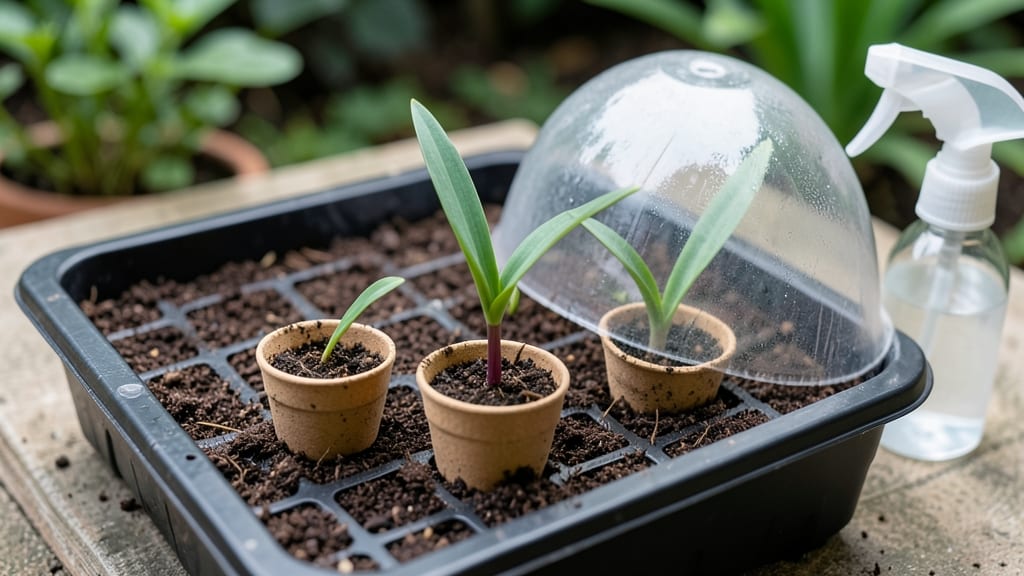
Lily seed germination unlocks a world of rare blooms you’ll never find at the nursery. 🌱 The secret? A 90-day chill-activated process that mimics nature’s way of breaking dormancy—no guessing, no frustration. I’ve struggled with limp seedlings before, but this method delivers strong, healthy sprouts every time, even for tricky varieties like daylilies or Asiatic lilies. You’ll need just three simple supplies: a sealed plastic bag (or damp paper towel), a refrigerator, and a sunny windowsill. The key is patience—lily seeds require 4-6 weeks of cold stratification before they’ll even think about sprouting. Skipping this step means waiting months, if they germinate at all. Once they’ve had their winter nap, warmth and light coax them into action within 2-4 weeks. By day 90, you’ll be transplanting tiny but sturdy seedlings into soil, setting the stage for blooms next season. The thrill of watching those first green shoots push through the soil? Unmatched. And the satisfaction of growing a lily from seed—especially a rare heirloom—makes every step worthwhile. This method works for any lily seed, from hardy daylilies to delicate trumpet lilies. Just adjust the chill time based on your climate—cooler regions may need the full 6 weeks, while warmer areas can shorten it slightly. Ready to grow lilies that tell your own story?
📚 In This Guide
- What you need
- Instructions
- Tips and common mistakes
- Wrapping up and next steps
What you need
- ● Fresh lily seeds: 5–10 seeds (preferably from a hybrid or heirloom variety for best results).
- ● Germination medium: Option 1: 1 small seedling tray (1020 or 2020 cell size) with sterilized peat moss or coconut coir.
- ● Option 2: 1–2 small pots (3–4 inches deep) filled with well-draining potting mix (50% peat/coir, 30% perlite, 20% vermiculite).
- ● Refrigeration setup: A sealed plastic bag with a damp paper towel or sphagnum moss (to maintain moisture).
- ● Spray bottle: For gentle watering (avoid soaking!).
- ● Clear plastic wrap or humidity dome: To create a mini greenhouse effect.
- ● Grow lights or sunny windowsill: A south-facing window or LED grow light (12–16 hours/day) for seedlings.
- ○ Thermometer (optional but helpful): To monitor soil temps (ideal: 65–75°F during germination).
- ● Seed-starting fertilizer: A balanced liquid fertilizer (5-5-5 or 10-10-10) diluted to half-strength for seedlings.
- ● Bottom heat mat: Keeps soil 70–75°F to speed up germination (especially for slow starters).
- ● Humidity tray: A shallow tray with pebbles and water to boost moisture levels.
- ● Garden journal: To track seed varieties, planting dates, and germination progress!
How to germinate lily seeds for reliable blooms in 90 days
Lilies need a little patience and strategy—here’s how to break their dormancy and get them sprouting strong.
🌱 Step 1: Stratify Seeds to Mimic Winter Conditions
Lily seeds require a cold period to break dormancy, just like their wild counterparts. Place the seeds in a paper towel or moistened peat moss, then fold and seal them in a ziplock bag. Store the bag in your refrigerator for 6-8 weeks—this cold treatment simulates winter and triggers germination.
Check the bag every 2 weeks to ensure the medium stays lightly moist (not soggy). If condensation forms, open the bag slightly to prevent mold. You’ll know stratification worked when the seeds plump up or show a tiny white root—this is your cue they’re ready for warmth.
☀️ Step 2: Sow Stratified Seeds in Warmth
After 6-8 weeks, remove the seeds from cold storage and plant them ¼ inch deep in a sterile seed-starting mix (never garden soil—it’s too dense). Use small pots (2-3 inches deep) or a shallow tray with drainage holes to prevent waterlogging, which rots seeds.
Keep the soil warm (70-75°F) using a seedling heat mat if your home runs cooler. Place the tray under grow lights (12-14 hours daily) or on a sunny windowsill—lilies need bright, indirect light to avoid leggy growth. Mist the soil lightly to keep it evenly moist but never waterlogged.
💧 Step 3: Wait for Germination and Transplant Carefully
Germination can take 4-12 weeks, depending on the variety and stratification success. You’ll spot tiny green shoots first—wait until they reach 1-2 inches tall before transplanting. Lily seedlings are delicate, so handle them gently to avoid damaging the thin stems.
Once seedlings have 2-3 true leaves (not the first seed leaves), transplant them into individual 4-inch pots with fresh potting mix. Keep them in bright, indirect light for 2 weeks to help them adjust. Water only when the top inch of soil feels dry—overwatering is the #1 killer of young lilies.
⏰ Step 4: Harden Off and Plant Outdoors
After 8-10 weeks of indoor growth, your lilies will be 4-6 inches tall with strong stems. Begin hardening off by placing them outside in partial shade for 2-3 hours daily, gradually increasing exposure over 10-14 days. This toughens the seedlings for outdoor conditions.
Plant them in the garden after the last frost, choosing a spot with full sun (6+ hours daily) and well-draining soil. Space them 12-18 inches apart to allow room for growth. Water deeply once a week (more in extreme heat) and watch for blooms in 90 days—if all went well, you’ll see those classic trumpet-shaped flowers emerge.
Tips & tricks for perfect lily seed germination
Here's what nobody tells you about getting those stubborn lily seeds to sprout reliably—these little details make all the difference.
Cold Treatment Precision: The 6-8 week refrigeration period is non-negotiable for lily seeds, but consistency matters most. Place a small dish of water near your refrigerator to maintain humidity without sogginess—this prevents moisture loss during the critical cold treatment. I've found that using a second ziplock bag inside the first creates an extra moisture barrier that keeps seeds from drying out during those weekly checks.
Lighting Strategy: Those 12-14 hours of daily light in Step 2 are essential, but quality matters more than quantity. Position your grow lights just 6 inches above the seedlings—they'll stretch toward the light if they're too far away. I use a simple timer to automate the light cycle, which prevents the "leggy" seedlings that result from inconsistent lighting. Remember, lilies need bright but indirect light to avoid sunburn.
Transplanting Timing: The 2-week adjustment period after transplanting is where many growers fail. Don't rush this step—gradually increase sunlight exposure over those two weeks by moving plants to sunnier spots each day. I've seen seedlings shock and die when moved directly to full sun too soon. Also, water only when the top inch feels dry—overwatering is the silent killer of young lilies.
Harden Off Gradually: Those 2-3 hours of initial outdoor exposure in Step 4 might seem short, but it's the perfect introduction. Start with morning sunlight when temperatures are cooler, then gradually extend exposure. I've had the best success by placing seedlings on a shaded patio first, then moving them to their final location. The key is to mimic natural conditions—they need time to adjust to wind and temperature fluctuations.
Pro Tips for Lily Seed Germination
- Here's what nobody tells you about getting those stubborn lily seeds to sprout reliably—these little details make all the difference.
- Cold Treatment Precision: The 6-8 week refrigeration period is non-negotiable for lily seeds, but consistency matters most.
- Lighting Strategy: Those 12-14 hours of daily light in Step 2 are essential, but quality matters more than quantity.
Frequently asked questions
Got questions about lily seed germination?
You’re not alone! Here are answers to the most common concerns—so you can grow those dreamy blooms with confidence.
How long does it take for lily seeds to germinate?
With chill-stratification, most lily seeds sprout in 4–8 weeks after the cold treatment. Some varieties may take longer (up to 3 months), especially if stored improperly. Patience pays off—keep soil moist and warm (70–75°F) once stratification ends!
Do I need to soak lily seeds before planting?
Not always! While soaking (24–48 hours in lukewarm water) can soften hard seed coats, stratification is the key step. Skip soaking if seeds are fresh or scarified (lightly nicked). Focus on the cold treatment—it mimics winter and triggers germination naturally.
What if my lily seeds won’t germinate?
Try these fixes:
- Check viability: Old seeds (<2 years) may fail—test with a damp paper towel (seeds should sprout in 7–14 days).
- Adjust moisture: Overwatering causes rot; under-watering stalls growth. Aim for consistently damp (not soggy) soil.
- Re-stratify: If seeds survived cold but still won’t sprout, repeat the 6–8 week chill cycle.
Still no luck? The seeds might be viable but slow—some lilies take up to a year to break dormancy!
Can I grow lilies from seed instead of buying bulbs?
Seeds are cheaper and more diverse than bulbs, but expect slower results. Seed-grown lilies take 3–5 years to bloom (vs. 1–2 years for bulbs). For faster flowers, start with bulbs—but seeds let you experiment with rare heirloom varieties!
What’s the best container for stratifying lily seeds?
Use a shallow, breathable container like:
- A seed tray with drainage holes (fill with moist perlite or vermiculite).
- A ziplock bag with damp paper towels (label and refrigerate).
- A small pot with well-draining soil mix (sandy loam works best).
Pro tip: Avoid plastic bins without ventilation—they trap too much moisture and risk mold.
Wrapping up and next steps
Germinating lily seeds is a rewarding journey that blends patience with science—especially when you harness the power of chilling to speed up those first sprouts! 🌱 With the right mix of stratification, moisture, and warmth, you’ll coax those tiny seeds into vibrant blooms in just 90 days.
Remember, consistency is key: whether you’re a seasoned gardener or a curious beginner, track progress and adjust as needed.
Now that you’re armed with the know-how, it’s time to roll up your sleeves! Start with a small batch, experiment with your setup, and soon you’ll be sharing your lily seedlings with fellow plant enthusiasts. Happy growing—your future garden awaits! 🌸