
Size
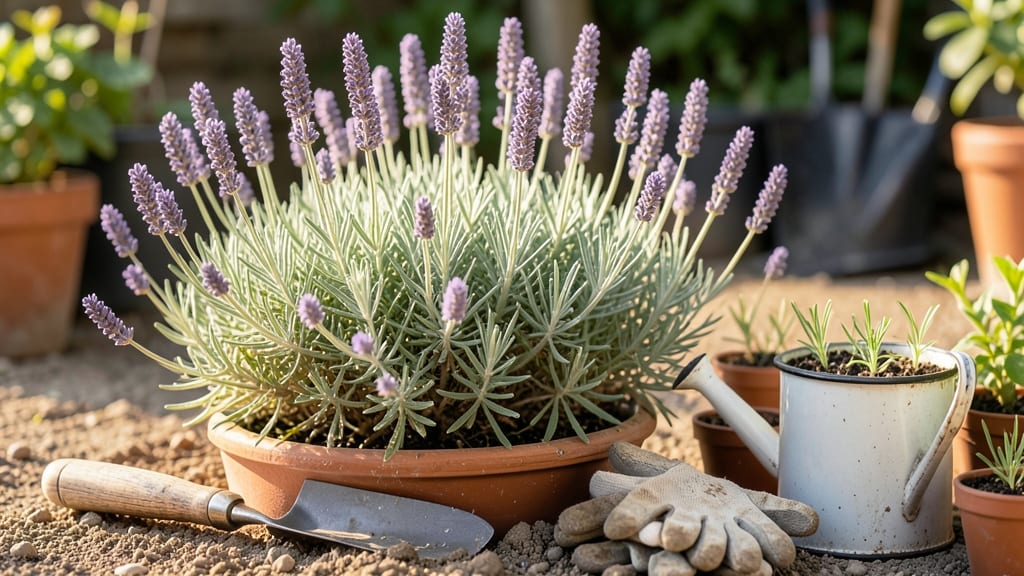
Growing lavender from seed means your garden will smell like a Provençal summer in just 60 days—though the first few weeks require serious patience. 🌱 I’ve started lavender from seed three times, and every batch taught me that slow germination isn’t a flaw—it’s nature’s way of ensuring tough, resilient plants.
The reward? Fragrant bushes that thrive for years with almost no fuss.
Here’s the secret: lavender seeds need light to germinate, so don’t bury them—just press them into barely damp soil. A sunny windowsill or heat mat speeds things up, but even in my dim apartment, seedlings popped up after 21 days.
Most gardeners give up too soon; stick with it, and you’ll see those first tiny green needles push through.
By day 60, you’ll have sturdy seedlings ready for transplanting—hardy enough to handle dry soil and full sun, unlike the delicate cuttings many gardeners struggle with.
The key is consistent moisture (not soggy) and thinning to give each plant room to breathe. Once established, these bushes will outlast store-bought lavender by years.
This method works best in zones 5-9, but with a little extra care (like extending the grow lights), you can push it further. The payoff? A garden that smells like sunshine, with herbs that last through winters—no cutting required. Let’s get those seeds started!
📚 In This Guide
- What you need
- Instructions
- Tips and common mistakes
- Wrapping up and next steps
What you need
- ● Lavender seeds – Choose Lavandula angustifolia (English lavender) or Lavandula x intermedia (hybrid lavender) for best results. Buy 1–2 packets (50–100 seeds) from a reputable supplier.
- ● Seed-starting mix – A sterile, well-draining potting mix (avoid garden soil—it’s too dense!). Use 1–2 bags (1–2 cubic feet) for seed trays.
- ● Seed trays or small pots – 4–6 inch pots or a seed-starting tray with cells (1–2 trays). Ensure they have drainage holes!
- ● Growing containers or garden bed – If planting outdoors, choose a sunny spot with full sun (6+ hours/day). For containers, use 5–7 gallon pots (1–2 pots per plant).
- ● Grow lights or sunny windowsill – If starting indoors, a full-spectrum LED grow light (12–16 hours/day) or a south-facing window is ideal.
- ● Misting spray bottle – For gentle watering (16 oz or larger).
- ○ Fertilizer (optional but helpful) – A balanced, water-soluble fertilizer (10-10-10 or 5-10-10) or fish emulsion (diluted to half-strength).
- ● Trowel or small shovel – For transplanting seedlings (3–4 inch blade).
- ● Pruning shears – To shape plants as they grow (sharp, bypass-style).
- ● Mulch (gravel or straw) – Helps retain moisture and deter weeds. 1–2 bags (1–2 cubic feet) for garden beds.
- ● pH test kit – Lavender loves neutral to slightly alkaline soil (pH 6.5–7.5). Adjust with lime if needed.
- ○ Drip irrigation or soaker hose – For consistent watering (optional but recommended for drought-prone areas).
- ● Harvesting scissors – Clean, sharp scissors for cutting stems (avoid dull tools—they crush stems!).
Step-by-Step guide to growing lavender from seed
Turn that fragrant dream into reality with this foolproof method for cultivating lavender from seed.
🌱 Step 1: Prepare Seeds and Planting Medium
Lavender seeds have a tough outer coating that slows germination, so I recommend soaking them in warm water for 12-24 hours before planting. This softens the shell and speeds up sprouting. Use a small bowl and cover the seeds completely—you'll see them swell slightly when ready.
While seeds soak, mix 2 parts potting soil with 1 part perlite in a clean tray. Lavender hates soggy roots, so this blend ensures excellent drainage. Fill your seed trays or small pots with the mixture, leaving ½ inch of space at the top. Gently press down to remove air pockets without compacting the soil too tightly.
🌱 Step 2: Sow Seeds at the Right Depth and Temperature
After soaking, drain the seeds and plant them ⅛ inch deep—just barely covering them. I use a small spoon to create tiny furrows and place seeds ¼ inch apart in rows. Press them lightly into the soil so they maintain contact but don't bury them deeper than necessary.
Cover the tray with plastic wrap to create a humid environment, then place it in a warm spot (70-75°F). Lavender seeds need consistent warmth to germinate, so I use a seedling heat mat underneath. Check daily for moisture—mist lightly if the soil surface feels dry to the touch. Germination takes 2-4 weeks, so patience is key.
☀️ Step 3: Provide Light and Thin Seedlings
Once sprouts appear, remove the plastic wrap immediately to prevent damping-off. Move seedlings to a bright, sunny window or under grow lights for 14-16 hours daily. Lavender is a sun-loving herb, and insufficient light leads to leggy, weak stems. You'll know they're getting enough light when the seedlings develop small, rounded leaves and grow upright.
When seedlings reach 1-2 inches tall, thin them to 2 inches apart to reduce competition. Use small scissors to snip excess seedlings at soil level rather than pulling—this prevents disturbing roots. Keep the soil lightly moist but never soggy during this phase.
🪴 Step 4: Harden Off and Transplant
After 6-8 weeks, when seedlings have 3-4 sets of true leaves, it's time to harden them off. Start by placing them outside in a sheltered spot for 1 hour daily, gradually increasing exposure over 10-14 days. Lavender is drought-tolerant, so reduce watering as you acclimate them to outdoor conditions.
Choose a sunny, well-draining location with full sun for at least 6 hours daily. Dig holes twice as wide as the root ball but no deeper. Space plants 18-24 inches apart to allow for growth. Transplant in early spring or fall to avoid heat stress, and water deeply after planting to settle the soil around roots.
✂️ Step 5: Maintain and Harvest for Fragrance
Once established, lavender thrives on neglect. Water only when the soil feels bone-dry to the touch, typically every 2-3 weeks in warm climates. Overwatering is the fastest way to kill lavender—it's adapted to dry, rocky soils. Apply a balanced fertilizer (10-10-10) lightly in early spring to encourage bushy growth.
Harvest stems when half the buds have opened but before they fully bloom. Cut just above a leaf node with clean shears to encourage new growth. Bundle and hang stems in a dry, dark place for 1-2 weeks to dry completely. You'll know they're ready when the stems snap easily and the buds release their signature fragrance when crushed.
Tips & tricks for perfect lavender cultivation
Here's what I've learned after growing lavender from seed for years—these little tricks make all the difference between struggling seedlings and thriving plants.
Soaking Secret: That 12-24 hour soak isn't just about speeding up germination—it's about breaking dormancy. I like to add a few drops of hydrogen peroxide (3%) to the water during soaking. This acts as a mild disinfectant that prevents fungal issues later. Just make sure to rinse seeds thoroughly before planting.
Lighting Strategy: The 14-16 hours of daily light in Step 3 is non-negotiable, but here's the trick: supplement with a simple LED grow light if your windows aren't bright enough. Position it just 4-6 inches above seedlings—closer than you might think—and adjust as they grow. Lavender won't tolerate weak stems, and proper light prevents that.
Transplant Timing: When hardening off in Step 4, I've found that starting with just 1 hour outside works best, but only if temperatures are above 50°F. If you're in a cooler climate, extend the indoor phase by 2-3 days and watch for signs of stress like curled leaves. The gradual increase over 10-14 days is crucial—this mimics natural conditions and prevents shock.
Harvesting Hack: For maximum fragrance, harvest on a dry morning after the dew has evaporated. The buds should be just starting to open—this is when their essential oils are at peak concentration. I like to cut stems in the early morning and immediately hang them upside down in a dark, well-ventilated space. This preserves the oils better than any other method I've tried.
Pro Tips for Lavender Seed Grow A Garden
- Here's what I've learned after growing lavender from seed for years—these little tricks make all the difference between struggling seedlings and thriving plants.
- Soaking Secret: That 12-24 hour soak isn't just about speeding up germination—it's about breaking dormancy.
- Lighting Strategy: The 14-16 hours of daily light in Step 3 is non-negotiable, but here's the trick: supplement with a simple LED grow light if your windows aren't bright enough.
Frequently asked questions
Got questions about growing lavender from seed? You're not alone!
Here are some of the most common queries—and straightforward answers—to help you cultivate a fragrant, thriving lavender garden with confidence.
How long does it take for lavender seeds to germinate?
Lavender seeds are notoriously slow to sprout—expect germination in 30 to 90 days (or even longer!). Patience is key! Cold stratification (chilling seeds in the fridge for 4–6 weeks) can speed things up. Once sprouted, seedlings grow gradually, so don’t rush—give them time to establish roots before transplanting.
Can I grow lavender from seed in cold climates?
Lavender thrives in cooler zones (USDA 5–9) but needs extra care in cold winters. Start seeds indoors 8–10 weeks before your last frost, then harden off seedlings before transplanting. Mulch heavily in winter to protect mature plants. Hardy varieties like English lavender or Munstead are great choices for chilly regions.
Why aren’t my lavender seeds sprouting?
Lavender seeds are finicky! Common culprits include:
- Poor stratification: Seeds need a cold period to break dormancy.
- Too much moisture: Overwatering can cause rot—keep soil lightly damp.
- Old seeds: Freshness matters; use seeds no older than 1–2 years.
- Low light: Place trays in bright, indirect light (or under grow lights).
What’s the best alternative if lavender seeds fail to grow?
If seeds prove too tricky, consider these easy alternatives:
- Cuttings: Propagate from a friend’s lavender plant (simply root a stem in water or soil).
- Young plants: Buy nursery-grown lavender (ensure they’re potted, not bare-root).
- Hybrids: Some lavender varieties (like Grosso) are more seed-friendly.
How do I keep my lavender from flowering too early?
Lavender flowers in its second year, but some plants bolt (flower prematurely) if stressed. To delay blooming:
- Pinch back stems in early spring to encourage bushier growth.
- Avoid overwatering—lavender prefers drought-like conditions.
- Plant in full sun (6+ hours daily) to strengthen stems.
Wrapping up and next steps
Growing lavender from seed is a rewarding journey that fills your garden with fragrance, beauty, and tranquility—all in just 60 days!
By following the right steps, from selecting quality seeds to nurturing your plants with patience, you’ll create a thriving herb garden that’s as therapeutic as it is stunning. 🌿✨
Now that you’re armed with knowledge, it’s time to roll up your sleeves and get planting! Start small with a few seeds, experiment with different varieties, and watch your garden transform. Before you know it, you’ll be harvesting lavender for sachets, teas, or even culinary delights. Happy gardening! 🌱💚