
Lawn
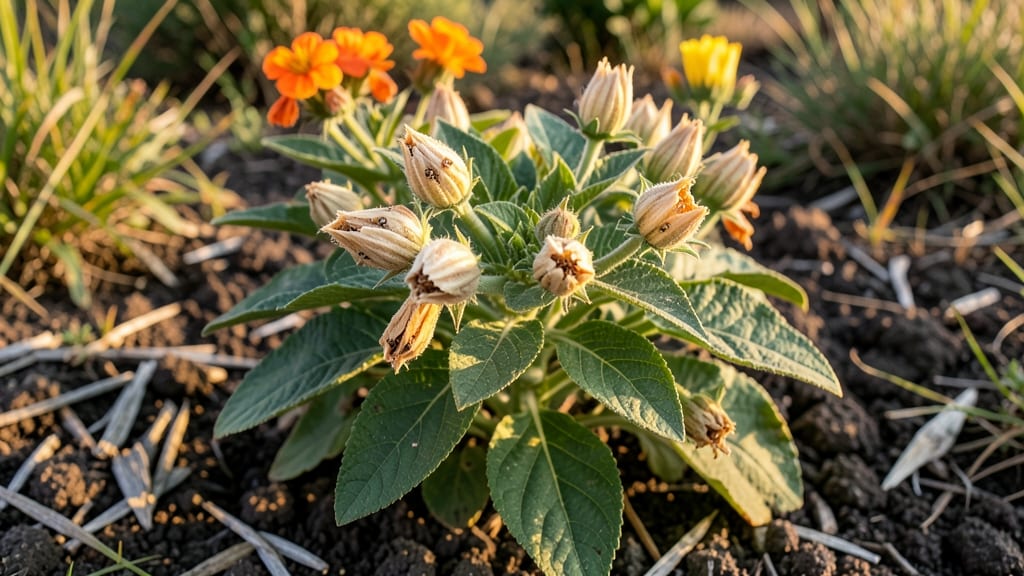
Those spiky orange-yellow lantana seed pods are nature's way of creating pollinator magnets. 🌿 I used to toss them without a thought—until I learned how easy they are to collect and grow into new plants that attract butterflies all season long.
Lantana seed pods form after flowers bloom and dry out, splitting open to reveal tiny seeds inside. The best time to harvest them is in late summer or early fall when they're fully mature but haven't yet released their seeds.
Just snip the pods and let them dry in a paper bag.
Germination takes patience—lantana seeds often need a warm, dry period to break dormancy. Plant them in well-draining soil, barely covering the seeds, and keep them in bright light. Within 3-4 weeks, you'll see those familiar lantana leaves popping up.
Once established, these drought-tolerant plants thrive in full sun and need minimal care. The real payoff? Your yard becomes a butterfly buffet, with pollinators flocking to the bright flowers that emerge from those humble seed pods.
📚 In This Guide
- What you need
- Instructions
- Tips and common mistakes
- Wrapping up and next steps
What you need
- ● Pro tip: 💡 Harvest seed pods on a dry day—wet pods rot faster in storage!
How to collect and use lantana seed pods for pollinator gardens
These bright orange-yellow pods are nature’s way of spreading beauty—here’s how to work with them.
🌿 Step 1: Identify and Harvest Mature Seed Pods
Wait until the pods turn a deep orange-yellow color and begin splitting open naturally—this signals they’re ready. I like to harvest them in the morning when the air is still, as the seeds are less likely to scatter. Gently twist the pod from the stem or snip it with clean pruners, leaving the plant’s foliage intact for pollinators.
If you miss the pods opening on their own, you can carefully slit them with a small knife to release the seeds inside. Just be patient—rushing this step can damage the tiny seeds. Collect the pods in a paper bag to prevent moisture buildup, which can cause mold.
🪴 Step 2: Dry and Store Seeds Properly
Spread the harvested pods on a flat surface in a dry, well-ventilated area for 7-10 days. This allows any remaining moisture to evaporate and prevents fungal growth. I place mine on a screen or mesh tray to ensure airflow circulates underneath.
Once fully dry, store the pods in an airtight container with a desiccant packet to keep humidity low. Label the container with the harvest date—lantana seeds remain viable for 1-2 years if stored correctly. Keep them in a cool, dark place like a pantry or seed drawer.
🌱 Step 3: Prepare Seed Pods for Planting
When ready to plant, gently crush the dried pods between your fingers or with a mortar and pestle to release the seeds. Lantana seeds are tiny, so I sift the crushed material through a fine mesh to separate the seeds from debris. This step ensures you’re not planting unwanted chaff alongside your seeds.
Mix the seeds with a small amount of sand to help distribute them evenly in the soil. Scatter them lightly on the surface of your prepared garden bed or containers—lantana seeds need light to germinate, so don’t bury them. Press them gently into the soil with your fingers.
☀️ Step 4: Plant and Maintain for Pollinator Success
Plant lantana seeds in well-draining soil with full sun exposure—at least 6-8 hours of direct sunlight daily. Lantana thrives in USDA Zones 8-11, but you can start seeds indoors 8-10 weeks before the last frost in cooler climates. Keep the soil lightly moist until germination, which typically occurs in 14-21 days.
Once seedlings emerge, thin them to 12-18 inches apart to give each plant room to grow. Lantana attracts bees, butterflies, and hummingbirds, so avoid using pesticides. Water deeply once a week during dry spells, but let the soil dry slightly between waterings to prevent root rot.
⏰ Step 5: Encourage Repeat Blooming and Seed Production
To keep lantana flowering and producing seed pods, deadhead spent blooms by snipping them off just above a set of leaves. This redirects the plant’s energy toward new growth and more flowers. I do this every 2-3 weeks during the growing season to maintain a lush, pollinator-friendly plant.
By late summer or early fall, you’ll see new seed pods forming. These will follow the same cycle—turning bright orange-yellow before splitting open. Collect them again for next season’s planting, or leave them on the plant to feed local wildlife and spread naturally.
Tips & tricks for perfect lantana seed pod collection
Working with lantana seed pods is all about patience and precision—here's how to avoid common pitfalls while maximizing your pollinator-friendly harvest.
Timing is Everything: Harvest those bright orange-yellow pods in the morning when they're still fresh and seeds haven't scattered. I've learned the hard way that waiting until afternoon means you'll find most seeds already on the ground—gone with the wind! The 7-10 day drying period in Step 2 is non-negotiable; even slight moisture can trigger mold growth that ruins your entire batch.
Harvest Technique: Never cut the pods directly from the plant—always twist them gently to avoid damaging the stems. I use clean pruners for stubborn pods, but I've seen gardeners accidentally sever the entire stem when they're too aggressive. Remember, you're preserving the plant's ability to produce more flowers and pods next season.
Storage Wisdom: Those desiccant packets in your storage container aren't just optional—they're essential for maintaining seed viability. I keep my containers in the pantry where humidity stays consistently low, and I always label them with the harvest date. This simple habit has saved me from planting seeds that were past their prime.
Planting Preparation: The sand mixture in Step 3 might seem unusual, but it's a game-changer for even distribution. I sift through a fine mesh to remove debris, but I've also seen gardeners use a clean kitchen strainer—just don't skip this step! Those tiny seeds need light to germinate, so pressing them gently into the soil (not burying them) is crucial for successful sprouting.
Pro Tips for Lantana Seed Pod
- Working with lantana seed pods is all about patience and precision—here's how to avoid common pitfalls while maximizing your pollinator-friendly harvest.
- Timing is Everything: Harvest those bright orange-yellow pods in the morning when they're still fresh and seeds haven't scattered.
- Harvest Technique: Never cut the pods directly from the plant—always twist them gently to avoid damaging the stems.
Frequently asked questions
Got questions about those eye-catching lantana seed pods? You’re not alone! Here are some of the most common queries—plus quick answers to help you navigate these spiky orange-yellow wonders with confidence.
Why do lantana seed pods split open?
Lantana seed pods split open when they’re fully mature (usually in late summer or fall) to release tiny, wind-dispersed seeds. This natural process helps the plant spread, but it can also mean more lantana if not managed. The pods’ spiky texture helps them cling to animals or clothing for extra distribution!
How long do lantana seed pods take to split?
Timing varies by climate, but most pods take 4–8 weeks after flowering to dry out and crack open. In warmer, drier conditions, they may split faster. If you’re dealing with an invasive spread, remove pods before they split—ideally when they’re still green and firm.
Are lantana seed pods harmful to pets or kids?
While the pods themselves aren’t toxic, their sharp spines can irritate skin or poke curious pets/kids. If ingested in large quantities (unlikely), the seeds might cause mild stomach upset. Always supervise kids/pets near lantana, and wear gloves when handling pods to avoid scratches!
Can I use lantana seed pods for gardening?
Technically yes, but proceed with caution! Lantana is invasive in many regions—its seeds can sprout aggressively. If you’re a seasoned gardener in a controlled zone, collect pods early (before splitting) and sow them in a contained area. For most, it’s safer to propagate from cuttings or buy nursery-grown plants.
What’s the best way to remove lantana seed pods?
For small patches, glove up and pluck pods by hand (wear long sleeves to avoid spines!). For larger areas, use pruners to snip pods off stems, then dispose of them in sealed bags. Never compost—lantana seeds can survive decomposition. Repeat weekly during peak pod season (late summer/fall) to curb spread.
Wrapping up and next steps
Understanding lantana seed pods unlocks a world of natural beauty and eco-friendly lawn care! These vibrant, spiky capsules aren’t just eye-catching—they’re a boon for pollinators and a low-maintenance way to add texture to your outdoor space.
Whether you’re embracing their wild charm or learning to manage them, every step brings you closer to a thriving, pollinator-friendly garden. 🌿
Ready to take the next step? Start by observing your lantana plants—do they need pruning, or are you curious about their seed pods? Try planting a few in a pollinator-friendly corner or sharing your newfound knowledge with fellow gardeners! Your lawn (and the bees!) will thank you.