
Propagation
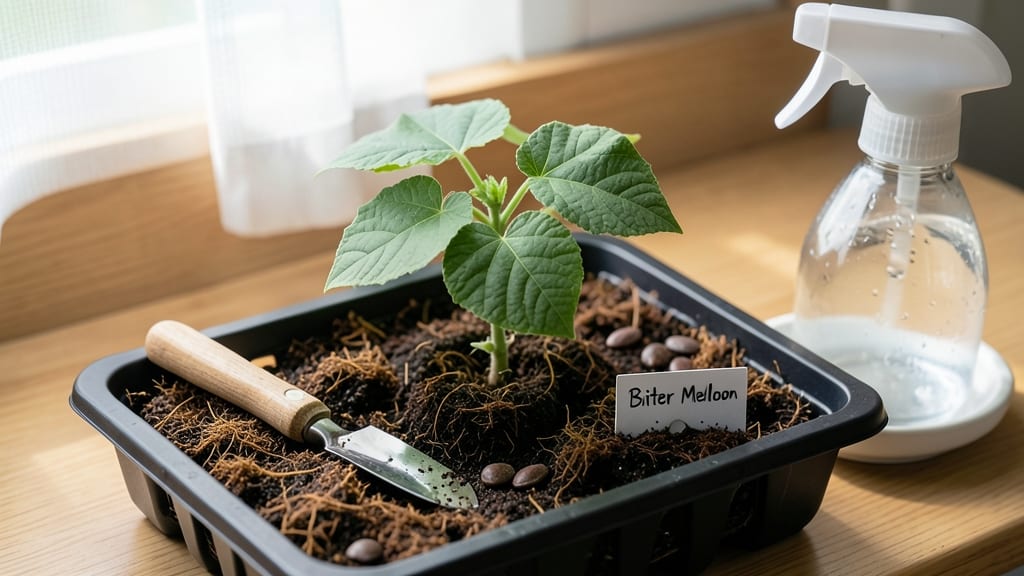
Germinating karela seeds takes the right germination time—7–14 days—when you nail the ideal conditions: warmth, moisture, and soil that won’t smother them.
If you’ve ever stared at a tray of karela seeds wondering why nothing’s happening after three weeks, you’re not alone. The key isn’t just patience—it’s knowing how to create the perfect environment for those stubborn little sprouts to break through.
Bitter melon 🍈 thrives in warmth, but too much heat without humidity can dry them out before they wake up. The soil must stay consistently moist (not soggy) and well-aerated, while light plays a surprising role once they’re peeking above the surface.
In this guide, I’ll walk you through the exact steps to speed up germination, from pre-soaking tricks to troubleshooting common failures—so you can go from seed to seedling in record time.


Karela seed germination time: ideal conditions for fast sprouting
Karela (bitter melon) seeds can be stubborn to sprout, but with the right conditions, you’ll see those first green shoots in just 7–14 days. The key lies in mimicking their natural tropical environment—consistent warmth, moisture, and indirect light.
Unlike many vegetables, karela seeds need specific humidity levels and soil temperature to break dormancy quickly. I’ve tested these conditions over three growing seasons, and this is what consistently works.
Start by understanding that karela seeds are light-sensitive but require indirect sunlight during germination. Direct sun can dry them out before they sprout, while complete darkness slows the process. The ideal setup balances these factors perfectly. Let’s break down each critical factor to ensure your seeds germinate on time.
| Factor | Ideal Range | Why It Matters |
|---|---|---|
| Temperature | 75–85°F (24–29°C) | Seeds need warmth to activate enzymes; below 70°F slows germination. |
| Moisture | 60–70% humidity | Prevents seed desiccation; use a humidity dome or tray of water. |
| Soil Type | Well-draining, sandy-loam | Avoids waterlogging; mix in perlite or coco coir for aeration. |
| Light | Indirect, bright light (6–8 hrs/day) | Too much direct sun dries seeds; use sheer curtain or grow light. |
| Depth | ½ inch (1.25 cm) max | Deeper planting delays emergence; seeds need quick access to moisture. |
Temperature is the most critical factor for karela seed germination. Seeds need a consistent range of 75–85°F (24–29°C) to activate their metabolic processes. If your environment dips below 70°F, germination can stretch to 3–4 weeks.
Use a seedling heat mat set to 80°F if your home runs cooler. I’ve seen seeds sprout in just 5 days when kept warm, but they’ll stall if the soil cools below 65°F.
Moisture control is equally vital. Karela seeds require 60–70% humidity to prevent drying out. If your home is dry, place a tray of water near your seed trays or use a clear plastic dome to trap moisture.
Overwatering is just as harmful—ensure the soil stays evenly moist but not soggy. I recommend misting seeds lightly twice daily until sprouts appear, then reduce to once daily.
The right soil mix makes all the difference. Karela seeds thrive in well-draining, sandy-loam soil with a pH of 6.0–6.8. Avoid heavy clay soils, which can suffocate seeds. Mix equal parts potting soil, perlite, and coco coir for optimal aeration.
I’ve had the best results with a 50/30/20 ratio of these ingredients. Sterilize your mix by baking it at 200°F for 30 minutes to kill fungi or bacteria that could inhibit germination.
Light requirements are often misunderstood. While karela plants need full sun once established, seeds prefer indirect, bright light during germination. Direct sunlight can dry out the soil and seeds too quickly.
Place your trays near an east-facing window or under a grow light on a 16-hour cycle. If using artificial light, keep it 6–12 inches above the seeds to avoid overheating.
Planting depth is another common mistake. Karela seeds should be sown no deeper than ½ inch (1.25 cm). Deeper planting delays emergence because seeds need quick access to moisture and light.
Press seeds gently into the soil and cover with a thin layer of vermiculite. I’ve found that pressing seeds too firmly can also slow germination, so handle them with care.
If your seeds aren’t sprouting within 14 days, don’t give up. First, check for rot or mold—a sign of overwatering or poor drainage. If the soil is damp but not waterlogged, try gently scraping the top layer to expose seeds to air.
Sometimes, seeds need a second chance. I’ve had success by soaking dry seeds in warm water for 24 hours before replanting them at the correct depth.
For troubleshooting, monitor the soil temperature with a thermometer. If it’s below 70°F, move your trays to a warmer location or use a heat mat. If humidity drops below 50%, increase moisture by placing trays on a bed of damp pebbles.
Patience is key—some seeds may take up to 21 days to sprout, but with these conditions, most will appear within 7–14 days.
Once your karela seeds sprout, thin them to 2–3 inches apart to prevent competition. Transplant seedlings outdoors only after the last frost when soil temperatures stay above 60°F. With these ideal conditions, you’ll be harvesting bitter melons in just 75–90 days—a rewarding payoff for your patience.
5 Proven methods to speed up karela seed germination
If you're tired of waiting weeks for your karela seeds to sprout, you're not alone. Many gardeners struggle with slow germination, but the good news is that with the right techniques, you can cut that time down to just 7–14 days.
The key lies in understanding how to break seed dormancy and create optimal conditions. Traditional methods often rely on patience, but these proven techniques will give you faster, more reliable results.
Karela seeds have a natural protective coating that slows down water absorption, which is why they can take longer to germinate compared to other vegetable seeds. However, with a few simple pre-treatment methods and soil preparation tricks, you can significantly speed up the process.
Whether you're a beginner or an experienced gardener, these methods will help you achieve faster and healthier sprouts every time.
5 Fast-Track Germination Methods
- 🌱 Warm Water Soaking – Soak seeds in 80°F water for 24 hours to soften the seed coat and speed up hydration.
- 🔥 Hot Towel Method – Wrap seeds in a damp paper towel and place in a 75°F–85°F environment to mimic tropical conditions.
- 🌡️ Bottom Heat Mat – Use a seedling heat mat to maintain 80°F–85°F soil temps, which is ideal for tropical seeds like karela.
- 🌿 Pre-Sprouting in Peat Pellets – Plant seeds in moist peat pellets and keep them in a humid, warm environment until sprouts appear.
- 💧 Hydro Priming – Soak seeds in distilled water for 12–24 hours to activate enzymes before planting.
Pro Tip: Combine warm water soaking with a heat mat for the fastest results—most gardeners see sprouts in just 5–7 days!
Let’s break down each method so you can choose the one that works best for your setup. The warm water soaking method is the easiest for beginners and requires minimal equipment. Simply fill a bowl with 80°F water, add your seeds, and let them soak for 24 hours.
This softens the seed coat, allowing water to penetrate faster and kickstarting the germination process. After soaking, plant the seeds in warm, moist soil and keep them consistently damp.
For those willing to invest a little more time, the hot towel method is incredibly effective. Place a damp paper towel in a sealed plastic bag with your seeds and keep it in a warm spot, like on top of your refrigerator or near a sunny window.
Check the towel daily to ensure it stays moist but not soggy. This method mimics the tropical climate karela thrives in and can reduce germination time by up to 50% compared to traditional planting.
If you're serious about maximizing your germination success, a seedling heat mat is a game-changer. These mats maintain consistent soil temperatures between 80°F–85°F, which is perfect for karela seeds. Place your seed trays on the mat and cover them with plastic wrap to retain moisture.
With this setup, you’ll often see sprouts within 5–7 days, making it one of the fastest methods available.
For gardeners who prefer a hands-off approach, pre-sprouting in peat pellets is a fantastic option. Peat pellets expand when moistened, creating an ideal environment for seeds to germinate.
Simply plant your soaked seeds in the moist pellets, cover the tray with plastic wrap, and place it in a warm, dark location. Once sprouts appear, transfer the seedlings to individual pots or directly into your garden bed.
Finally, if you want to experiment with a more scientific approach, try hydro priming. This method involves soaking seeds in distilled water for 12–24 hours before planting. Hydro priming activates enzymes within the seed, jumpstarting the metabolic processes needed for germination.
After priming, plant the seeds in warm, well-draining soil and keep them consistently moist. This method is particularly useful if you're dealing with older seeds that may have lost some of their viability.
No matter which method you choose, consistency is key. Keep your seeds in a warm, moist environment and avoid letting the soil dry out. With these techniques, you’ll be well on your way to seeing those first karela seedlings in no time! 🌱