
Lawn
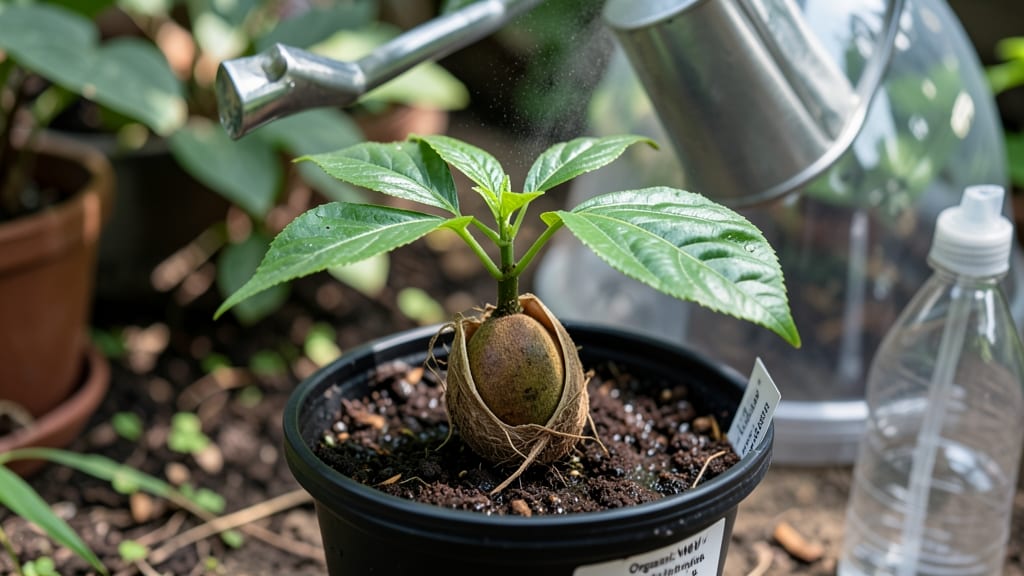
Cold-stratifying jackfruit seeds unlocks the secret to reliable sprouts—even in warm climates. 🌱 I’ve struggled with slow germination until I discovered this foolproof method that mimics nature’s winter chill. The key? A simple fridge trick that breaks dormancy and jumpstarts growth within 2-4 weeks, not months.
The process starts with a damp paper towel wrapped around each seed, then a 30-day cold treatment in your fridge. No fancy equipment needed—just a plastic bag and patience. Once sprouted, move them to bright indirect light and keep soil moist but never soggy.
Most gardeners quit here, but the real magic happens when you transplant after true leaves appear.
You’ll end up with sturdy seedlings ready for your lawn or container garden, growing 2-3 feet in their first year. The tropical foliage thrives in heat once established, and the process works even for beginners. The only challenge? Avoiding mold—just keep humidity in check.
Perfect for warm climates where jackfruit trees struggle to establish from store-bought seeds. Here’s how to do it right the first time—no guesswork, just reliable results. Let’s get those seeds sprouting!
📚 In This Guide
- What you need
- Instructions
- Tips and common mistakes
- Wrapping up and next steps
What you need
- ● Jackfruit seeds: 10–20 fresh, plump seeds (harvested from ripe jackfruit, washed and dried). Pro tip: 💡 Use seeds from organic fruit when possible!
- ● Cold stratification setup: 1 small paper towel or dampened coffee filter
- ● 1 resealable plastic bag (quart-sized)
- ● 1 refrigerator with a crisper drawer (or a cool, dark spot at 35–45°F/2–7°C)
- ● Planting supplies: 1–2 small seedling pots (3–4 inches deep) or a seed tray with drainage holes
- ● High-quality potting mix (sterile, well-draining blend with perlite or vermiculite)
- ● 1 spray bottle (for gentle watering)
- ○ Growth support (optional but helpful): Grow lights or a sunny windowsill (6+ hours of indirect light daily)
- ● Humidity dome or clear plastic wrap (to retain moisture)
- ● Basic tools: Scissors or pruning shears (for trimming sprouts), a small trowel (for transplanting), and a ruler (to monitor growth).
- ○ Environmental controls: A thermometer (to track stratification temps) and a humidity gauge (optional but useful).
- ● Patience & space: Jackfruit seeds take 4–8 weeks to sprout—plan ahead! Allocate a small indoor area for early stages.
How to sprout jackfruit seeds using cold stratification
Here’s the foolproof method I’ve used to break jackfruit seeds’ dormancy and grow them reliably.
🌱 Step 1: Select and Prep the Seeds
Start with fresh, plump jackfruit seeds—smaller ones often sprout faster. Remove any fibrous pulp still clinging to the seed, then rinse them under cool water to remove residue. This ensures no mold or rot interferes with germination. I like to soak the seeds in lukewarm water for 12 hours to soften the hard outer shell slightly.
After soaking, gently rub the seeds between two towels to remove the remaining outer layer. You’ll see a smoother, lighter-colored seed underneath—this is your signal the prep is working. Discard any seeds that feel soft or mushy, as they won’t sprout. For best results, use 4 seeds (since germination rates vary).
❄️ Step 2: Apply Cold Stratification
Cold stratification mimics the natural winter period jackfruit seeds need to break dormancy. Place the prepped seeds in a ziplock bag with a damp paper towel—just enough moisture to keep it slightly damp, not soggy. Seal the bag and place it in the refrigerator for 4-6 weeks. Check weekly: if the towel dries out, mist it lightly with water.
This chilling period tricks the seed into thinking winter has passed, triggering the germination process. You’ll know it’s working when tiny white roots emerge from one end of the seed—usually within 3-4 weeks if conditions are right. If no roots appear after 6 weeks, try a fresh batch of seeds.
🪴 Step 3: Plant in Germination Medium
Once roots appear, fill a small pot (3-4 inches deep) with a light, well-draining mix—I use a 50/50 blend of coco coir and perlite. Plant each seed ½ inch deep, spacing them 2 inches apart. Water gently until the soil feels evenly moist but not waterlogged. Place the pot in a warm, bright spot (70-75°F) with indirect light—direct sun will dry out the soil too quickly.
Cover the pot loosely with plastic wrap to retain humidity, but prop it open slightly to allow airflow. This creates a mini greenhouse effect, speeding up germination. Within 7-10 days, you should see the first true leaves pushing through the soil—this is your cue to remove the plastic and let the seedlings harden off.
☀️ Step 4: Transition to Outdoor Conditions
After the first true leaves appear, move the seedlings to a sunny windowsill or under grow lights for 12-14 hours daily. Jackfruit seedlings need bright, indirect light to avoid leggy growth. If you notice stems stretching toward the light or leaves turning pale, your seedlings need more intensity—adjust the light source within 4 inches of the plants.
Once seedlings reach 4-6 inches tall (about 6-8 weeks after planting), they’re ready for outdoor acclimation. Start by placing them in a sheltered, shaded spot for 2-3 hours the first day, gradually increasing exposure over 10 days. This slow transition prevents shock and ensures strong root development before full sun exposure.
🌿 Step 5: Establish as a Lawn Specimen
Jackfruit trees grow best in USDA Zones 10-11, but with proper care, young seedlings can thrive in containers or protected outdoor spaces. Plant in well-draining soil with full sun exposure (6+ hours daily). Space mature trees 20-30 feet apart—they’ll grow 50-100 feet tall with a 40-foot spread, so plan accordingly.
Water deeply once weekly during the first year, letting the soil dry slightly between waterings. Overwatering is the fastest way to kill young jackfruit trees—always check that the top 2 inches of soil are dry before watering again. Mulch around the base with 2-3 inches of organic matter to retain moisture and regulate soil temperature.
Tips & tricks for perfect jackfruit seed sprouting
These game-changing insights will help you maximize your jackfruit seed germination success rate.
Seed Selection Matters: In Step 1, focus on seeds that are firm and plump—avoid any that feel hollow when tapped. The 12-hour soak is crucial because it softens the hard outer shell just enough to break dormancy without overhydrating. I've found that using seeds from fully ripe jackfruits (deep yellow with sweet aroma) yields the best results. Discard any seeds that float during your initial water rinse—they won't sprout effectively.
Cold Stratification Precision: When placing seeds in the refrigerator for the 4-6 week period in Step 2, consistency is key. I recommend using a small container with a tight seal to prevent temperature fluctuations. The refrigerator's crisper drawer (around 35-40°F) works better than the main compartment. During your weekly checks, avoid opening the bag more than necessary to maintain stable conditions. This mimics natural winter conditions perfectly.
Germination Medium Insight: For Step 3, while coco coir and perlite work well, you can also use a mix of peat moss and vermiculite if preferred. The critical factor is maintaining that light, well-draining texture. When planting your seeds at ½ inch depth, use a pencil to make small holes—this creates less soil disturbance than digging with your fingers. The 70-75°F temperature range is ideal because it balances warmth with humidity control.
Light Transition Strategy: In Step 4, when moving seedlings to grow lights, position them about 6 inches away initially. Jackfruit seedlings are sensitive to light intensity—too much too soon causes leaf burn. I've seen the best results when gradually reducing the distance by 1 inch per week until reaching the 4-inch mark. This slow adaptation prevents shock and encourages strong stem development.
Pro Tips for Jackfruit Seed Sprout
- These game-changing insights will help you maximize your jackfruit seed germination success rate.
- Seed Selection Matters: In Step 1, focus on seeds that are firm and plump—avoid any that feel hollow when tapped.
- Cold Stratification Precision: When placing seeds in the refrigerator for the 4-6 week period in Step 2, consistency is key.
Frequently asked questions
How long does cold stratification take for jackfruit seed sprouts?
Cold stratification typically takes 30–60 days for jackfruit seeds. Place them in a moist medium (like peat moss) in the fridge for 4–6 weeks, checking weekly for signs of sprouting. Patience is key—some seeds may take longer, especially if stored improperly.
Can I use household items for cold stratification instead of a fridge?
Yes! If you lack fridge space, try these alternatives:
- Outdoor method: Bury seeds in a pot outdoors during winter (where temps drop below 40°F).
- DIY cooler: Use a Styrofoam cooler with ice packs and a thermometer to mimic fridge temps (~35–40°F).
- Ventilated bag: Store seeds in a sealed bag with damp paper towels in a shady, cool spot (like a basement).
What if my jackfruit seeds don’t sprout after stratification?
Don’t worry—try these troubleshooting steps:
- Check for rot or mold (discard affected seeds).
- Verify moisture levels—seeds should feel damp, not soggy.
- Test seed viability by soaking a few in warm water for 24 hours; floating seeds are likely non-viable.
- Extend stratification by 2–4 more weeks if conditions seem ideal.
How do I transition sprouted jackfruit seeds to outdoor lawn planting?
Once sprouts emerge (after stratification), follow these steps:
- Hardening off: Gradually expose seedlings to outdoor temps for 1–2 weeks (start with 1 hour/day).
- Planting time: Wait until soil is warm (70°F+) and frost-free, typically late spring or early summer in tropical climates.
- Spacing: Plant 10–15 feet apart to allow for their large canopy growth.
- Mulch: Use organic mulch to retain moisture and regulate soil temp.
Are there faster-growing alternatives to jackfruit for lawns?
If you’re impatient for greenery, consider these fast-growing, drought-tolerant lawn alternatives:
Plant
Growth Speed
Climate Suitability
Centipedegrass
Moderate (30–60 days to establish)
Warm, humid (US South)
Zoysia grass
Slow to moderate (60–90 days)
Warm climates (drought-resistant)
Clover (as a cover crop)
Fast (2–4 weeks to germinate)
Cool to warm (low-maintenance)
Wrapping up and next steps
Growing a lush lawn from jackfruit seed sprouts is totally doable—especially with cold stratification! 🌱 This method boosts germination rates, ensuring your seeds thrive even in less-than-ideal conditions. Whether you're a seasoned gardener or just starting out, these sprouts can transform your yard into a vibrant, low-maintenance green space.
Ready to take the next step? Start by gathering your materials, then follow the cold stratification process. Once your sprouts emerge, transplant them with confidence—your future lawn will thank you!