
Lawn
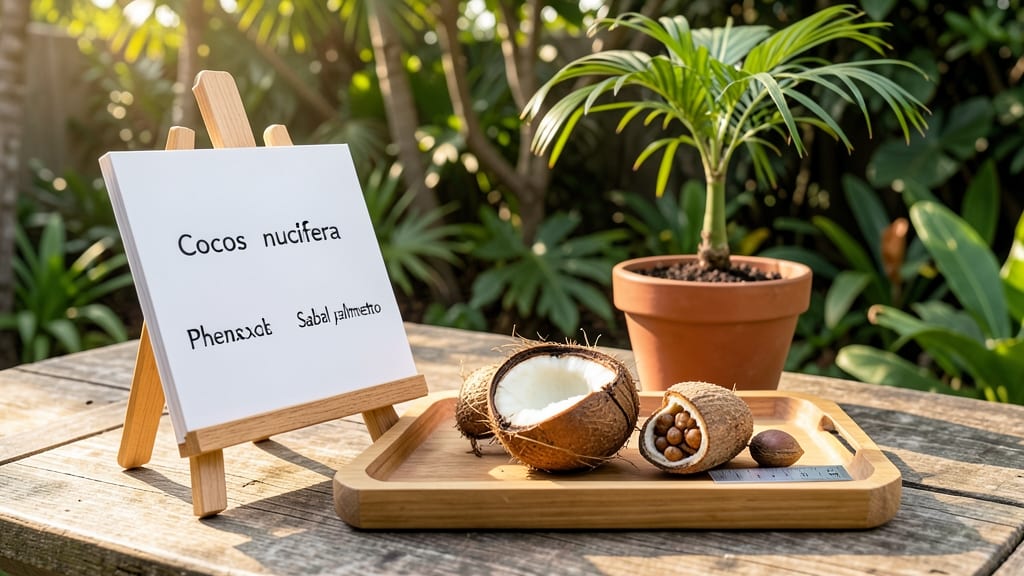
That weird-looking pod under your palm tree might be the key to identifying the species—palm tree seed pods identification starts with just three quick observations: size, shape, and texture. 🌿 I’ve spent years sorting through fallen debris in Florida yards, and the differences become obvious once you know what to look for.
A coconut’s fibrous husk and triangular shape, for example, screams Cocos nucifera, while the smooth, oval pods of a Sabal palm stay hidden until they drop in late summer.
Most confusion comes from mixing up seed pods with fruits or nuts—palm seed pods are usually dry, fibrous, or leathery when mature, never fleshy like a mango or avocado.
Grab a ruler and a magnifying glass: a Washingtonia pod might stretch 12–18 inches long, while a Trachycarpus pod stays under 6 inches and looks like a tiny, scaly football. Texture clues matter too—some pods have sharp edges, others feel velvety or waxy.
You’ll spot viable seeds inside if the pod splits open naturally (or you crack it open safely). These are the ones worth saving for propagation—just plant them in 60–70°F soil and keep them moist.
Even if you’re not planting, recognizing the pod helps you match the tree to your landscape needs: some palms thrive in coastal winds, others prefer shaded backyards.
Pro tip: Check the ground under mature trees in late summer or early fall—that’s when most seed pods drop. And if you’re unsure, snap a photo and compare it to local palm species guides.
The key is patience: a single pod can tell you everything about the tree’s care needs.
📚 In This Guide
- What you need
- Instructions
- Tips and common mistakes
- Wrapping up and next steps
What you need
- ● Palm tree seed pods (fresh or dried—collect from your lawn, garden, or local area!)
- ● Ruler or measuring tape (preferably with metric and imperial units for precision)
- ● Notebook or digital device (to record measurements, shapes, and observations)
- ● Magnifying glass or loupe (5x–10x magnification works great for inspecting fine details)
- ● Camera or smartphone (with good lighting for capturing pod images)
- ● Field guide or palm tree identification app (e.g., iNaturalist, PictureThis, or a printed guidebook)
- ● Pencil or pen (for sketching pod features if needed)
- ● Gloves (if handling spiky or rough pods to protect your hands)
- ● Small pruning shears (for safely cutting pods from tall trees)
- ● Drying rack or paper towels (to air-dry collected pods for long-term study)
- ● Reference samples (if possible, compare your pods to known species from local nurseries)
Quick guide to identifying palm tree seed pods
Here's how to tell species apart fast—just look at shape, size, and texture.
🌿 Step 1: Examine Pod Shape for Instant Clues
Start by holding the pod in your palm—its overall shape narrows it down instantly. Coconut palms produce round, fibrous pods about 12 inches wide with a thick husk. Date palms have long, oval pods (up to 3 inches long) that split open when ripe, revealing sweet flesh inside. Sago palms (not true palms) produce round, spiky seed clusters that look like miniature pineapples.
If the pod is smooth and elongated (like a small football), it’s likely from a palmetto palm. These grow in clusters and have a leathery skin that’s hard to puncture. Royal palms produce small, round pods (about 1 inch in diameter) with a single large seed inside—think of a tiny, hard acorn.
📏 Step 2: Measure Size and Compare to Common Species
Grab a ruler or compare to your hand—size is the fastest way to rule out species. Coconut pods are the largest (12–24 inches long), while date palm pods are tiny (1–3 inches). Sabal palms (like the sabal palmetto) have medium-sized pods (3–6 inches long) that are oval and slightly curved, often with a pointed tip. Pindo palms produce small, round pods (1–2 inches wide) that look like mini coconuts but lack the fibrous husk.
If the pod is smaller than a golf ball, it’s likely from a dwarf palm species like the pygmy date palm or Chinese fan palm. These pods are often hard and woody, with a single large seed inside. Bismarck palms have long, narrow pods (4–6 inches) that hang in clusters—think of a skinnier, less fibrous coconut.
🌱 Step 3: Check Surface Texture for Key Details
Run your fingers over the pod’s surface—texture reveals a lot. Coconuts have a rough, fibrous husk that’s hard to tear by hand. Date palm pods feel smooth and slightly waxy when ripe, while unripe pods are dry and papery. Sabal palm pods have a leathery, slightly bumpy texture with a thin skin that peels away easily.
If the pod feels spiky or prickly, it’s likely from a sago palm (though not a true palm) or a cocos nucifera (coconut) that hasn’t been fully processed. Royal palm pods have a hard, glossy shell that’s difficult to crack open—you’ll need a hammer or heavy tool. Pindo palm pods are smooth but tough, with a single seed that’s round and dark brown inside.
✂️ Step 4: Split Open (Carefully!) to Confirm the Seed
Use a sharp knife or pruning shears to carefully cut into the pod—safety first! Wear gloves if the pod is spiky. Coconut seeds have a white, fibrous interior with a hard shell inside. Date palm seeds reveal sweet, fleshy fruit (if ripe) or a hard, brown seed (if unripe). Sabal palm seeds are flat and dark, often shaped like a small, irregular nut.
If the seed inside is round and smooth, it’s likely from a palmetto or royal palm. Sago palm "seeds" (actually strobili) look like tiny, hard clusters with no true seed—these are not viable for planting unless you’re growing a sago cycad. Pindo palm seeds are small, round, and dark brown, often with a slightly ridged texture.
🔍 Step 5: Cross-Reference with Leaf Shape (If Available)
If you have access to the parent palm’s leaves, this confirms your ID. Coconut palms have fan-shaped leaves with long, hanging fronds. Date palms grow feather-like fronds in a clustering pattern. Sabal palms have large, arching fronds with deeply divided segments. Royal palms produce feather-like leaves with a single, curved frond that grows straight up.
Pro tip: Take a photo of the pod and the leaf together—this helps rule out lookalikes. For example, cocos nucifera (coconut) and syagrus romanzoffiana (Queensland nut palm) pods look similar, but their leaves are completely different. Coconuts have pendulous fronds, while Queensland nuts grow in clusters of smaller, fan-shaped leaves.
Tips & tricks for palm tree seed pod identification
Here's what nobody tells you—these quick tricks will help you nail the ID process faster than ever.
Visual Comparison: Grab a ruler or your hand as a reference—this is the fastest way to eliminate species. Coconut pods are the easiest to spot at 12–24 inches (about the length of a baseball bat), while date palm pods are tiny at just 1–3 inches (smaller than a deck of cards). For those in between, compare to your palm width: if it's roughly the size of your hand, it's likely from a sabal palm or palmetto.
Texture Test: Run your fingers over the pod's surface—this reveals hidden clues. Coconut pods feel like sandpaper due to their fibrous husk, while date palm pods become smooth and waxy when ripe. If it's spiky or prickly, it's either a sago palm or an unprocessed coconut. Royal palm pods have a hard, glossy shell that's nearly impossible to crack without tools.
Seed Shape Secret: The seed inside is your final clue—don't skip this step! Coconut seeds have a white, fibrous interior with a hard shell, while sabal palm seeds are flat and dark like irregular nuts. Pindo palm seeds are round and dark brown with slight ridges, and date palm seeds reveal either sweet flesh (if ripe) or hard brown shells (if unripe). This step confirms what the exterior suggested.
Safety First: Always wear gloves when handling spiky pods or using sharp tools. I learned this the hard way after a trip to the ER from a sago palm's sharp spines! For tough shells like royal palm pods, use a hammer or heavy pry bar—never force a knife, as it can slip and cause injury. A small pair of pruning shears works best for most species.
Pro Tips for Identification Palm Tree Seed Pods
- Here's what nobody tells you—these quick tricks will help you nail the ID process faster than ever.
- Visual Comparison: Grab a ruler or your hand as a reference—this is the fastest way to eliminate species.
- Texture Test: Run your fingers over the pod's surface—this reveals hidden clues.
Frequently asked questions
Got questions about identifying palm tree seed pods? You’re not alone! Here are some of the most common queries—and answers—to help you navigate the process with confidence.
How do I tell the difference between a coconut and a palm seed pod?
A coconut (from coconut palms like Cocos nucifera) is a hard, fibrous husk with a single large seed inside, often floating in water. Most palm seed pods (from species like Sabal or Washingtonia) are smaller, smoother, and contain multiple seeds in a woody or fibrous casing. Think of coconuts as the "superstars" and other pods as the "supporting cast."
When is the best time of year to collect palm seed pods?
Timing depends on the species! Most palm seed pods ripen in late summer to early fall (August–October in tropical climates). Look for pods that are brown, dry, and slightly shriveled—they’ll release seeds naturally or split open. Avoid green pods; they’re not ready yet. Pro tip: Check your local palm’s flowering season for the most accurate window!
Can I grow a palm tree from any seed pod I find?
Not all palm seed pods are viable for planting. Some species (like Phoenix or Trachycarpus) produce seeds that germinate easily, while others (e.g., Bismarckia) are rare or slow-growing. Always research the species first! If you’re unsure, ask a local nursery or palm enthusiast group for guidance—they’ve got the dirt on germination rates.
Why won’t my palm seed pod open naturally? What can I do?
Seed pods sometimes resist opening due to moisture or immaturity. Try these tricks:
- Soak it: Submerge the pod in warm water for 24–48 hours to soften the fibers.
- Freeze it: Place it in a bag and freeze overnight—thawing can cause it to crack.
- Gently tap: Use a hammer (lightly!) to tap the seams if the pod is dry but stubborn.
Are there non-invasive ways to identify palm seed pods without harming the tree?
Start with visual clues:
- Observe the shape (round, oval, or elongated?).
- Check the surface texture (smooth, scaly, or fibrous?).
- Note the tree’s leaves—palm fronds are unique to each species.
Wrapping up and next steps
Mastering the art of identifying palm tree seed pods opens doors to better landscaping, conservation, or even fun plant-hunting adventures! 🌴 Whether you’re a gardener, nature enthusiast, or curious learner, recognizing these unique pods by shape, size, and texture helps you connect with the world around you.
Now that you’re equipped with key tips, why not grab a notebook and head outdoors? Snap a photo of a mysterious pod, compare it to your newfound knowledge, and share your discoveries with fellow plant lovers—you might just uncover a hidden gem in your backyard!