
Picking
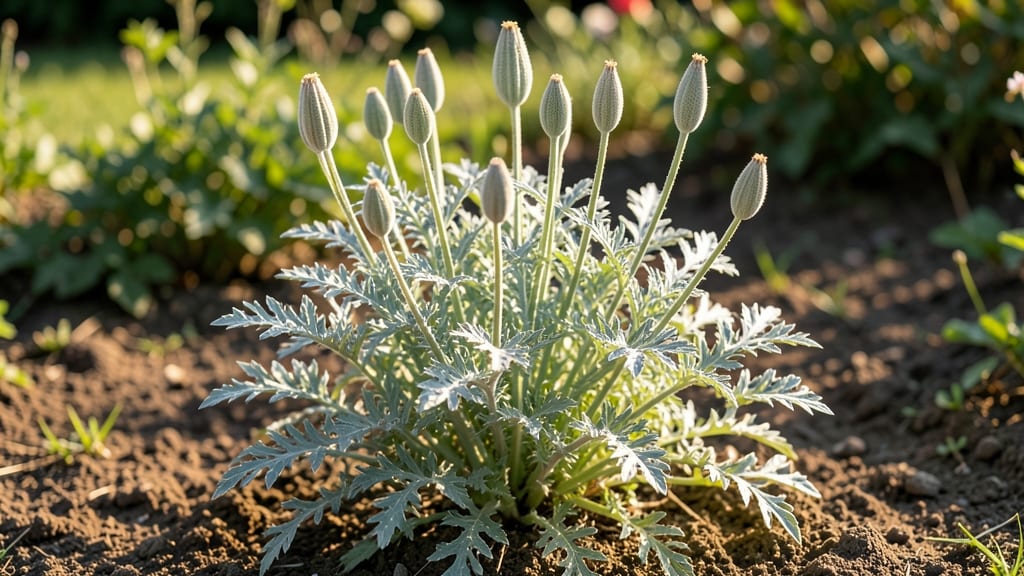
Growing Hungarian breadseed poppy means harvesting seeds that taste like warm, buttery popcorn—and it starts with the right timing. 🌱 These delicate papery blooms need cool nights and warm days to thrive, which is why I plant mine in early spring or late summer, depending on my zone.
The key is patience: from seed to seedpod takes about 100 days, but every step—soil, sunlight, spacing—sets the stage for those iconic seed heads.
You’ll need loose, well-draining soil (think sandy loam) mixed with compost, since poppies hate soggy roots. They’re sun worshippers—at least 6 hours of direct light daily—and their seeds should barely peek above the surface (just ¼ inch deep).
Space them 12 inches apart to avoid overcrowding, which leads to leggy stems and fewer seedpods. Water lightly after planting, then let nature take over—they’re drought-tolerant once established.
By mid-summer, you’ll spot those cup-shaped blooms opening one by one, each lasting just a day but leaving behind seedpods that ripen into edible treasure. The pods turn from green to golden-brown, and when they split open, you’ll hear the seeds rattling inside—that’s your harvest cue.
Snip the pods before they scatter, then dry them for popping or baking.
Here’s the secret: poppies self-seed like crazy, so if you love them, they’ll keep coming back. Just deadhead spent blooms if you want to control where they pop up next year. Whether you’re growing them for ornamental drama or culinary fun, these plants deliver big rewards with minimal fuss.
📚 In This Guide
- What you need
- Instructions
- Tips and common mistakes
- Wrapping up and next steps
What you need
- ● Seeds: 1–2 packets of Hungarian breadseed poppy seeds (aim for at least 50–100 seeds for a small garden patch).
- ● Growing Containers: Direct sowing: A well-draining, loose soil bed (600–1,200 sq ft for a decent yield).
- ● Container gardening: 5–10 gallon pots (1–2 seeds per pot, spaced 12–18 inches apart).
- ● Soil: Light, sandy loam with a pH of 6.0–7.5. Amend with compost for fertility.
- ● Watering Can or Hose: With a gentle spray nozzle (poppies hate soggy roots!).
- ○ Garden Gloves: Optional but helpful for handling prickly seed pods.
- ● Harvesting Tools: Pruning shears or sharp scissors (for cutting seed heads).
- ● Drying rack or paper towels (for post-harvest processing).
- ● Hardiness Zones: 3–10 (ideal for USDA Zones 4–9). Poppies thrive in cool to moderate climates—avoid hot, humid summers.
- ● Sunlight: Full sun (6–8+ hours daily). Partial shade may reduce seed production.
- ● Temperature: Germination: 60–70°F (15–21°C) (use a seedling heat mat if needed).
- ● Growth: Tolerates light frosts but prefers 50–75°F (10–24°C).
- ● Spacing: Thin seedlings to 12–18 inches apart to prevent overcrowding.
- ● Row covers or shade cloth (to protect young seedlings from pests or intense sun).
- ● Organic mulch (straw or grass clippings) to retain moisture and suppress weeds.
- ● Label markers (to track varieties if growing multiple types).
- ● Food dehydrator or oven (for speeding up seed drying).
Step-by-Step instructions for cultivating Hungarian breadseed poppy
Here’s the foolproof method I’ve used to grow these striking annuals—from seed to vibrant blooms—across multiple hardiness zones.
🌱 Step 1: Start Seeds Indoors at the Right Time
Hungarian breadseed poppies thrive when started indoors 6-8 weeks before your last frost date, especially in cooler climates (zones 3-7). Fill seed trays with sterile seed-starting mix—never garden soil—and sow seeds ¼ inch deep, spacing them 1 inch apart in rows. The seeds germinate best at 65-75°F, so use a heat mat if your home runs cooler.
Mist the soil surface lightly with water until evenly moist, but avoid oversaturating—these seeds need consistent moisture but excellent drainage. Cover the tray with plastic wrap or a humidity dome to retain warmth and moisture, then place it in a bright, indirect light spot. Germination typically occurs in 7-14 days, though it can stretch to 21 days in cooler conditions.
☀️ Step 2: Harden Off and Transplant Seedlings
Once seedlings develop 2-3 sets of true leaves (not the initial cotyledons), it’s time to harden them off. Begin by moving them outdoors to a sheltered, shaded area for 1-2 hours daily, gradually increasing exposure over 7-10 days. This acclimation prevents shock when they’re transplanted into the garden.
Choose a sunny spot with full sun exposure (6+ hours daily)—these poppies adore heat and will reward you with bold blooms. Transplant seedlings 12-18 inches apart in well-draining soil, as they dislike soggy roots. Water deeply at the base immediately after planting to settle the soil and encourage root establishment.
💧 Step 3: Maintain Soil Moisture and Fertility
Hungarian breadseed poppies are drought-tolerant once established, but they need consistent moisture during their first few weeks in the garden. Water deeply 1-2 times per week, ensuring the soil dries slightly between waterings. Overwatering leads to root rot, so always check the top 2 inches of soil—if it’s dry, it’s time to water.
Feed seedlings with a balanced, water-soluble fertilizer (10-10-10) at half-strength when they reach 4-6 inches tall. This encourages lush foliage and robust blooms. Stop fertilizing once buds form—too much nitrogen late in the season can reduce flower production. Mulch lightly with straw or shredded leaves to retain moisture and suppress weeds.
✂️ Step 4: Deadhead and Extend the Bloom Season
To prolong flowering, deadhead spent blooms by snipping them off at the base with clean pruners. This redirects the plant’s energy into producing new flowers rather than setting seed. I do this every 2-3 days during peak bloom, which typically lasts 4-6 weeks in ideal conditions.
Watch for black aphids on new growth—these pests suck sap and weaken stems. Spray infested areas with neem oil or introduce ladybugs for natural control. If stems flop under the weight of heavy blooms, stake individual plants with bamboo stakes tied loosely to avoid damaging the stems.
🌿 Step 5: Harvest and Preserve Seeds for Next Year
When blooms fade and seed pods form, leave 3-4 pods per plant to mature fully on the stem. The pods will turn brown and papery—this is your cue to harvest. Snip them off and place them in a paper bag for 2-3 weeks to dry completely. Once dry, gently rub the pods between your fingers to release the black, bread-shaped seeds.
Store seeds in an airtight container in a cool, dark place for up to 2 years. These seeds are easy to germinate the following season, so you’ll always have a fresh supply. If you prefer to skip seed saving, simply pull up the entire plant once blooms fade—it self-seeds readily in most climates.
Tips & tricks for cultivating Hungarian breadseed poppy
Between us, these delicate annuals reward patience more than they demand perfection. Here's how to turn good intentions into stunning blooms.
Timing is Everything: That 6-8 week indoor start window is non-negotiable for cooler zones (3-7). Use your average last frost date as your anchor—count backward and mark your calendar. I've seen beginners rush this and end up with leggy, weak seedlings that struggle in the garden. Pro tip: Set a reminder for your final transplant date, then work backward to determine your start time. This ensures you're not scrambling when seedlings are ready to move outdoors.
Light Matters More Than You Think: The instructions mention bright, indirect light, but I've learned this the hard way—these seeds need 12-16 hours of light daily once they sprout. If your home doesn't get enough natural light, supplement with a grow light placed just a few inches above the seedlings. I use a simple LED bulb on a timer for 14 hours daily. Without proper light, seedlings will stretch toward any available source, creating weak stems that can't support the eventual blooms.
Transplanting Strategy: When you're ready to harden off seedlings in Step 2, don't just move them outside for the full 1-2 hours on day one. Start with just 30 minutes in a sheltered spot, then gradually increase. I've seen many gardeners rush this process and end up with shocked plants that wilt dramatically when transplanted. The key is to mimic natural conditions—morning sun is gentler than afternoon heat, so time your hardening off sessions accordingly. Also, transplant on a cloudy day if possible to reduce stress on the delicate seedlings.
Bloom Extension Secret: The 2-3 day deadheading schedule in Step 4 works wonders, but here's what nobody tells you—timing matters. Do your deadheading in the morning when the blooms are fully open. This gives the plant maximum daylight to recover and produce new buds. I also recommend using sharp, clean pruners rather than pinching blooms by hand. This prevents damaging the stems and spreading disease between plants. You'll notice a second wave of blooms that rivals the first if you're consistent with this morning routine.
Pro Tips for Hungarian Breadseed Poppy
- Between us, these delicate annuals reward patience more than they demand perfection.
- Timing is Everything: That 6-8 week indoor start window is non-negotiable for cooler zones (3-7).
- Light Matters More Than You Think: The instructions mention bright, indirect light, but I've learned this the hard way—these seeds need 12-16 hours of light daily once they sprout.
Frequently asked questions
Got questions about growing Hungarian breadseed poppies?
Whether you're a first-time gardener or a seasoned enthusiast, these answers will help you cultivate stunning blooms with ease.
When is the best time to plant Hungarian breadseed poppy seeds?
Plant seeds outdoors in early spring (after the last frost) or late summer (8–10 weeks before the first frost). For cooler climates (Zones 3–5), start seeds indoors 6–8 weeks before the last frost date. These poppies thrive in full sun and germinate best in soil temperatures above 60°F (15°C).
How long does it take for Hungarian breadseed poppies to bloom?
From seed to bloom, expect 8–12 weeks under ideal conditions. Fast-growing varieties may flower sooner (6–8 weeks), while slower growers take up to 16 weeks. Note: They’re annuals, so enjoy their vibrant blooms for one season only!
What’s the ideal temperature range for growing these poppies?
Hungarian breadseed poppies love warmth—ideal daytime temps are 70–85°F (21–29°C). They tolerate light frosts but won’t survive heavy freezes. In hot climates (Zones 9–10), provide afternoon shade to prevent wilting.
Can I grow Hungarian breadseed poppies in containers?
Use 5–6 inch deep pots with well-draining soil. Ensure containers have drainage holes to prevent root rot. Place them in full sun and fertilize lightly every 4–6 weeks. Just avoid overcrowding—space plants 12–18 inches apart.
Why aren’t my Hungarian breadseed poppy seeds germinating?
Check these common issues:
- Cold soil: Wait until soil is at least 60°F (15°C).
- Too deep: Seeds need light—plant ¼ inch deep.
- Moisture issues: Keep soil consistently moist (not soggy).
- Old seeds: Use fresh seeds (viability drops after 1–2 years).
Wrapping up and next steps
Growing Hungarian breadseed poppy is a rewarding journey that brings vibrant blooms and edible seeds to your garden—perfect for both beauty and harvest! 🌸 Whether you’re a seasoned gardener or just starting, understanding the seed-to-bloom timeline and ideal temperature zones sets you up for success.
With the right preparation and care, you’ll soon enjoy their striking colors and culinary potential.
Ready to dive in? Start by sketching your garden layout and gathering your supplies—then plant those seeds with confidence! 🌱 Happy growing!