
How To
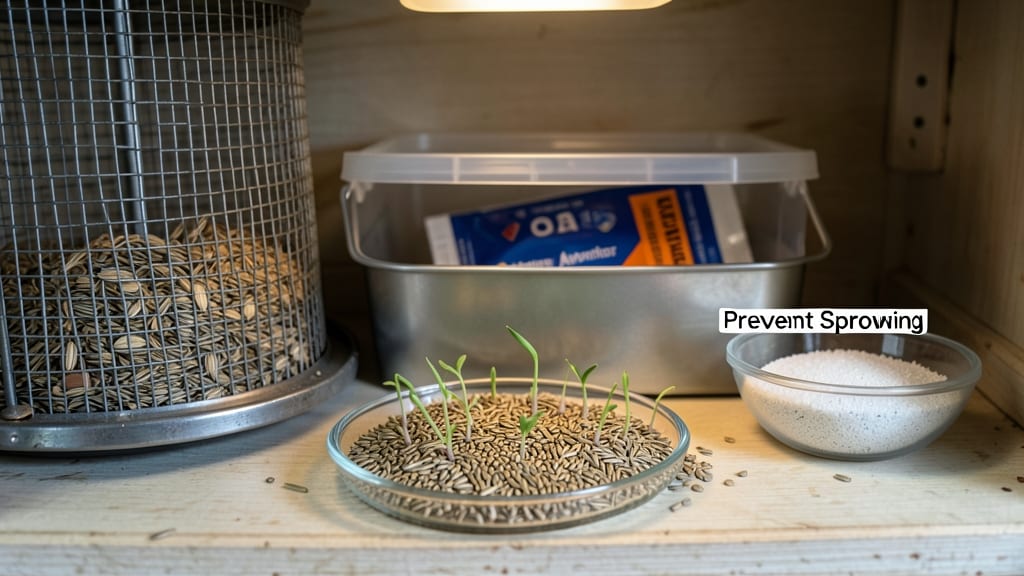
Bird seed sprouting in your storage bin is a surefire way to waste money—and attract pests. 🌱 The key to keeping it dry and fresh for months isn’t just any container, but the right combo of temperature, airtight seals, and moisture control that mimics the seed’s natural dormancy state.
Start with a sealed, opaque container (like a metal bucket or heavy-duty plastic bin) and store it in a cool, dry spot—think basement or pantry, not above the fridge where heat builds.
Humidity is the real enemy: add a small bag of silica gel or a moisture absorber to soak up any dampness. Most seeds stay viable for 6-12 months this way, depending on the variety.
If you do spot sprouting, don’t toss it—repurpose those seeds! Toss them in compost or use them as microgreens (they’re packed with nutrients). The real risk is mold or pests creeping in from damp, sprouted seed, so act fast to quarantine any affected batches.
A little prevention saves you from a whole bin of wasted seed.
For bulk buyers or humid climates, consider vacuum-sealed bags or even the freezer for long-term storage. The goal is to trick the seed into thinking it’s still winter—dry, cold, and undisturbed. Your birds (and your wallet) will thank you.
📚 In This Guide
- What you need
- Instructions
- Tips and common mistakes
- Wrapping up and next steps
What you need
- ● Air-tight storage containers: 1–2 containers (5–10 gallon size, depending on seed volume). Look for food-grade options with tight-sealing lids (e.g., plastic bins with gaskets or glass jars with rubber seals).
- ● Desiccant packets: 2–4 packets (silica gel or uncooked rice in breathable pouches work). Place 1–2 packets per container.
- ● Bird seed: Pre-purchased or bulk seed (sunflower, safflower, or mixed blends). Store in a cool, dry place before transferring.
- ○ Fine-mesh strainer or sifter: (Optional but helpful) For removing debris or old seed before storage.
- ● Food-safe labels & marker: To label containers with the seed type and date.
- ○ Vacuum sealer (optional):strong> For ultra-long-term storage (e.g., Mylar bags + oxygen absorbers for bulk purchases).
- ○ Hygrometer (optional):strong> A humidity gauge (30–50% ideal range) to monitor storage conditions.
- ○ Freezer-safe bags (optional):strong> For small batches—use if storing in the freezer (not recommended for most seeds).
Step-by-step guide to preventing bird seed sprouting
Keep your bird seed dry and fresh for months with these simple storage tricks I swear by.
🪴 Step 1: Choose the Right Storage Containers
Use only airtight, moisture-proof containers made of glass, ceramic, or heavy-duty plastic. I avoid metal because it can rust and introduce unwanted odors. The containers should have tight-sealing lids to block out humidity and pests. For large quantities, a 5-gallon food-grade bucket with a gamma seal lid works perfectly—just make sure it's clean and dry before use.
Never store bird seed in cardboard boxes or paper bags, even if they're labeled "sealed." These materials absorb moisture and accelerate sprouting. If you're repurposing containers, give them a thorough cleaning with warm, soapy water and dry them completely before adding seed. Any lingering dampness will trigger germination within days.
💧 Step 2: Dry the Seed Completely Before Storage
Freshly purchased bird seed often contains residual moisture from packaging or handling. Spread the seed in a single layer on a clean, dry baking sheet or towel. Let it air dry in a well-ventilated area for 24-48 hours until it feels completely dry to the touch. You'll know it's ready when no condensation forms on the container lid after storage.
For extra assurance, place the seed in a single layer on a cookie sheet under a fan for 1-2 hours. This speeds up the drying process while preventing clumping. Avoid using heat sources like ovens or heat lamps—they can damage the seed's nutritional value and create hot spots that encourage uneven sprouting.
☀️ Step 3: Control Temperature and Humidity
Store bird seed in a cool, dark place where temperatures stay between 40-60°F. A basement, pantry, or root cellar works best, but avoid refrigerators or freezers—they introduce moisture through condensation when you open the door. I keep my seed in a dedicated cabinet away from windows, where sunlight can't degrade the oils in the seed.
Use a hygrometer to monitor humidity levels, keeping them below 50% at all times. If your storage area tends to be damp, place a small bag of silica gel or unscented dryer sheets in the container to absorb excess moisture. Check the seed monthly for any signs of dampness—even a slight musty smell means it's time to redistribute or replace the seed.
⏰ Step 4: Use Oxygen Absorbers for Long-Term Storage
For seed stored longer than 3 months, add an oxygen absorber packet to the container. These small, inexpensive packets remove oxygen from the sealed environment, which prevents mold growth and slows down the natural aging process. Place one packet per 5 pounds of seed and seal the container immediately.
Never open the container until you're ready to use the seed. Each time you open it, you introduce moisture and oxygen, which can start the sprouting process. If you need to access seed frequently, divide it into smaller, airtight containers so you only open what you need. This keeps the rest of the seed fresh and dry for months.
🌱 Step 5: Rotate Seed and Check for Freshness
Bird seed loses freshness over time, even with perfect storage. Label each container with the purchase date so you can track its age. Most bird seeds stay viable for 6-12 months, depending on the type. After that, they lose nutritional value and may sprout prematurely.
Before each feeding season, test a small amount of seed by placing it in a bowl of water. Fresh seed will sink, while old or sprouted seed will float. If you notice any seed floating or see signs of mold, discard the entire batch immediately. Stale seed not only sprouts but can also attract pests and harm birds.
Tips & tricks for perfect bird seed storage
These simple strategies will help you keep your bird seed fresh and sprouting-free for months—no more wasted seed or disappointed birds!
Container Selection: Glass containers are my top recommendation because they're non-porous and easy to clean. For bulk storage, I use 5-gallon food-grade buckets with gamma seal lids—they create an airtight environment that blocks both moisture and pests. If you're repurposing containers, give them a thorough cleaning with warm, soapy water and let them dry completely before use. Any residual dampness can trigger sprouting within days.
Drying Strategy: The 24-48 hour air-drying time is crucial—don't rush this step! I place my seed on a cookie sheet under a fan for the final 1-2 hours to speed up the process while preventing clumping. Pro tip: Use a kitchen scale to verify dryness—seed should weigh significantly less after drying. If you notice any condensation on the container lid after storage, your seed wasn't dry enough.
Temperature and Humidity Control: The 40-60°F temperature range is ideal, but I've found that placing a small bag of silica gel in the container works wonders for areas with higher humidity. I also recommend checking your seed monthly—even a slight musty smell means it's time to redistribute or replace it. For extra protection, store your containers in a dedicated cabinet away from windows and appliances that generate heat.
Oxygen Absorber Hack: For seed stored beyond 3 months, I always use oxygen absorber packets—one per 5 pounds of seed. These little packets are a game-changer for long-term storage. Just remember to seal the container immediately after adding them. The key is to minimize air exposure—every time you open the container, you're introducing moisture and oxygen that can start the sprouting process.
Pro Tips for Keep Bird Seed From Sprouting
- These simple strategies will help you keep your bird seed fresh and sprouting-free for months—no more wasted seed or disappointed birds!
- Container Selection: Glass containers are my top recommendation because they're non-porous and easy to clean.
- Drying Strategy: The 24-48 hour air-drying time is crucial—don't rush this step!
Frequently asked questions
Got questions about storing bird seed and preventing sprouting? You’re not alone—here are some of the most common concerns (and solutions!) from bird lovers like you:
Why does bird seed sprout in the first place?
Bird seed sprouts when it absorbs moisture and warmth, triggering germination. Whole seeds (like sunflower or millet) are especially prone because they’re still alive and packed with nutrients. Even small amounts of humidity or poor storage can kickstart this process—so think of it like a seed’s way of saying, “Let’s grow!”
How long can I safely store bird seed before it sprouts?
Unopened bird seed typically lasts 6–12 months in a cool, dry place (like a pantry). Once opened, use it within 1–3 months for best quality. If stored properly (airtight container, low humidity), you’ll avoid sprouting and keep the seed fresh for feeding. Pro tip: Check the “best by” date on the package!
Can I store bird seed in the fridge or freezer to prevent sprouting?
Yes! While not always necessary, refrigeration or freezing extends shelf life significantly. Store seed in an airtight container in the fridge (up to 1 year) or freezer (up to 2 years). Just thaw it overnight before serving—birds won’t mind the chill! This is especially useful for bulk purchases or if you live in a humid climate.
What should I do if my bird seed already has sprouts?
Don’t toss it yet! If only a few seeds have sprouted, pick them out and discard them. The rest should still be safe for birds to eat, as long as there’s no mold or foul smell. For heavily sprouted seed, compost it (if no pesticides were used) or toss it. Always inspect seed before serving—your feathered friends will thank you!
Are there any bird seed alternatives that don’t sprout as easily?
Yes! Pre-pelleted or processed seeds (like safflower or nyjer) are less likely to sprout because they’re already broken down. Also, dried corn or millet have tougher shells that resist moisture. For extra peace of mind, opt for seeds labeled “non-perishable” or “long-term storage.” Just remember—birds still prefer whole seeds for cracking fun!
Wrapping up and next steps
Keeping your bird seed fresh and sprout-free is all about proper storage, quick use, and smart prep—no magic required! 🌱 By sealing seed in airtight containers, storing it in cool, dry spots, and avoiding moisture, you’ll extend its shelf life and keep your feathered friends happy.
With these simple tricks, you’ll save money and reduce waste while ensuring your bird feeders stay stocked with quality seed.
Ready to put these tips into action? Start by checking your current seed storage—give those old containers a refresh or invest in a dedicated feeder bin. Small steps lead to big results, so grab that container and get storing! 🐦✨