
Container Gardens
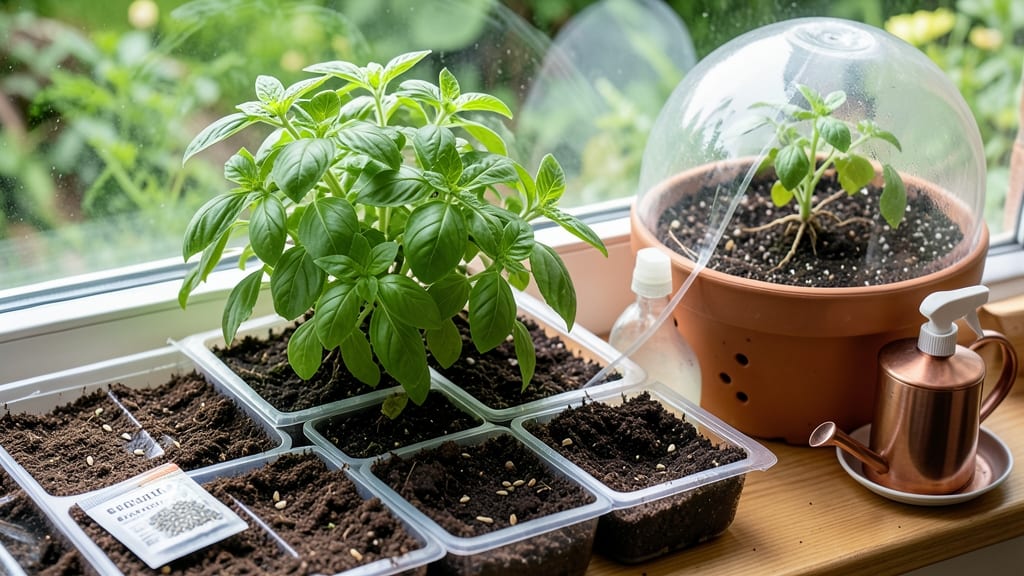
Growing basil from seed in a pot lets you enjoy fresh, fragrant leaves in just 3 weeks—no nursery trips needed. 🌱 I’ve grown dozens of pots over the years, and the secret to success starts with the right soil, container, and light.
Most people overwater or underestimate the sunlight, but once you nail those basics, you’ll have a thriving plant that keeps producing all season.
The beauty of container basil is how forgiving it is—even beginners can succeed. You’ll need a 4-6 inch pot (or larger for multiple plants), well-draining potting mix, and a sunny spot (at least 6 hours of light daily).
Start seeds indoors 6-8 weeks before your last frost if you’re in a cooler climate, or direct-sow in spring. The key is keeping the soil consistently moist (not soggy) and pinching back the tops when plants hit 6 inches to encourage bushier growth.
By week 3, you’ll be harvesting leaves for pesto, sandwiches, or teas—no store-bought herbs needed. The plants stay productive for months if you keep them pruned and fertilized lightly every 4-6 weeks.
Outdoor pots can handle a little more neglect, but indoor windowsill basil needs extra attention to light and humidity. A simple spray bottle keeps leaves happy, and rotating the pot ensures even growth.
This method works for any sunny spot, from kitchens to patios. The first harvest is the most exciting—imagine snipping fresh basil for your favorite dishes straight from your own pot.
Once you’ve mastered one, you can experiment with varieties like Thai basil or purple basil. Let’s get those seeds started!
📚 In This Guide
- What you need
- Instructions
- Tips and common mistakes
- Wrapping up and next steps
What you need
- ● Basil seeds: 1 packet (about 20-50 seeds, depending on the brand). Look for Sweet Basil or Genovese for classic flavors!
- ● Container: A pot at least 6–8 inches deep and wide (basil has shallow roots but needs room to grow). Ensure it has drainage holes to prevent root rot.
- ● Potting mix: A lightweight, well-draining mix (avoid garden soil—it’s too dense). A seed-starting mix or 50% potting soil + 50% perlite/vermiculite works best.
- ● Water: Room-temperature, chlorine-free water (let tap water sit out for 24 hours if needed). A spray bottle helps with gentle watering.
- ● Grow lights or sunny windowsill: Basil needs 6–8 hours of sunlight daily. A south-facing window or grow light (12–16 hours/day) works if natural light is limited.
- ○ Plastic wrap or humidity dome: To keep seeds moist while germinating (optional but helpful for beginners).
- ● Fertilizer: A balanced, water-soluble fertilizer (5-5-5 or 10-10-10) or compost tea to boost growth after sprouting.
- ● Plant labels: To track varieties if growing multiple types.
- ● Tweezers or toothpick: For gently pressing seeds into soil.
- ● Pruning shears: To pinch back stems for bushier growth (once plants are ~6 inches tall).
- ● Organic mulch: Like straw or shredded leaves to retain moisture (skip if using a humidity dome).
Step-by-step instructions for growing basil from seed in pots
Here's how to turn a sunny windowsill into a fresh basil harvest in just three weeks—no greenhouse needed.
🌱 Step 1: Prepare Containers and Seed Starting Mix
Fill 4-inch diameter pots with a sterile seed-starting mix—never garden soil, which compacts and suffocates tender roots. I like to add a handful of perlite to the mix for extra drainage, since basil hates soggy feet. Moisten the soil until it feels like a damp sponge, squeezing gently to check for even moisture without dripping.
Press the soil down lightly with your fingers to create a firm but not compacted surface. This prevents seeds from floating too deep during watering. A shallow dimple in the center marks where you'll plant—just deep enough to hold the tiny seeds without burying them.
🌱 Step 2: Sow Seeds and Create Ideal Germination Conditions
Sprinkle 3-4 seeds per pot, spacing them about ½ inch apart in the dimple. Cover them with a thin layer of soil—just enough to hide them from view, no deeper. Basil seeds need light to germinate, so avoid pressing them too far down. Mist the surface with a spray bottle until the soil looks uniformly damp but not wet.
Cover the pots with a clear plastic dome or plastic wrap to trap warmth and moisture. Place them in a location with constant temperatures between 70-75°F—a sunny windowsill works if your home stays warm, or a seedling heat mat speeds germination by 3-5 days. You should see sprouts in 7-10 days, but don’t remove the cover until 50% have emerged to prevent damping-off.
☀️ Step 3: Provide Bright Light and Prevent Leggy Growth
The moment those first true leaves appear, move your pots to the sunniest spot available—basil needs 6+ hours of direct sunlight daily to grow compact and flavorful. A south-facing window is ideal, but if your light is weak, supplement with a grow light kept 4-6 inches above the plants. Watch for leggy stems—thin, pale growth reaching toward the light—that signals insufficient light.
Rotate the pots a quarter turn every 2-3 days so plants grow straight instead of leaning. You’ll notice stronger stems and deeper green leaves within a week. Water from the bottom by placing pots in ½ inch of water for 10 minutes, then drain excess. This method prevents soil-borne diseases and keeps roots healthy.
💧 Step 4: Thin Seedlings and Encourage Bushy Growth
When seedlings reach 2 inches tall (about 2-3 weeks after sowing), thin to the strongest plant per pot by snipping the others at the soil line with clean scissors. This reduces competition and gives your basil room to grow. Pinch off the top set of leaves when the plant has 4-6 true leaves—this encourages bushier growth by stimulating side branches.
Fertilize lightly with a balanced liquid fertilizer (like 10-10-10) diluted to half strength every 2 weeks. Over-fertilizing burns tender roots, so always water first to avoid salt buildup. You’ll see new leaves emerge within a week—that’s your signal everything is working.
✂️ Step 5: Harvest and Maintain for Continuous Production
Start harvesting outer leaves when the plant reaches 6 inches tall, cutting just above a leaf node to encourage regrowth. This prevents the plant from flowering too early, which makes basil bitter. Harvest every 2-3 weeks, and you’ll get continuous production for months. If you see flower buds forming, pinch them off immediately—they signal the end of the plant’s productive life.
Keep the soil evenly moist but never soggy, and move pots outside on warm evenings (above 55°F) to harden them off. Basil thrives in 60-80°F temperatures—if your windowsill gets too hot, the leaves may yellow or wilt. A little shade during peak afternoon sun prevents this while still keeping the plant happy.
Tips & tricks for growing basil from seed in pots
Here's what I learned the hard way after watching too many basil seedlings fail—these tricks make all the difference between a thriving plant and a sad, leggy disappointment.
Light is Everything: Basil grows toward light like a magnet, so position your pots within 4-6 inches of your brightest window. If you're using a grow light, keep it on for 12-14 hours daily to mimic natural daylight. I've seen basil stretch toward weak light and become useless for cooking—always prioritize light over everything else. The 6+ hours of direct sunlight requirement isn't negotiable for flavorful leaves.
Germination Secret: The 70-75°F temperature range during germination is non-negotiable—any cooler and seeds may take weeks to sprout. If your home runs chilly, invest in a seedling heat mat ($15 at garden stores) or place pots on top of your fridge. I've seen germination times stretch to 2-3 weeks in cool kitchens instead of the promised 7-10 days. Pro tip: Place a thermometer near your pots to monitor temperatures—consistency is key.
Watering Wisdom: Bottom-watering for 10 minutes prevents two major problems: fungal diseases from wet foliage and uneven moisture that causes seeds to float too deep. After draining, let pots sit on a wire rack to prevent soggy bottoms—basil roots need oxygen. I've ruined batches by overwatering, so always check soil moisture by sticking your finger 1 inch deep—it should feel like a damp sponge, not a wet towel.
Harvesting Hack: When your basil reaches 6 inches, start harvesting the outer leaves first—they're fully mature while inner leaves continue growing. This continuous harvesting method keeps your plant producing for months instead of bolting to flower. I've seen plants go from harvestable to flower-bound in just 2 weeks when I waited too long to start cutting. Always cut just above a leaf node to encourage new growth from that spot.
Pro Tips for Grow Basil From Seed In A Pot
- Here's what I learned the hard way after watching too many basil seedlings fail—these tricks make all the difference between a thriving plant and a sad, leggy disappointment.
- Light is Everything: Basil grows toward light like a magnet, so position your pots within 4-6 inches of your brightest window.
- Germination Secret: The 70-75°F temperature range during germination is non-negotiable—any cooler and seeds may take weeks to sprout.
Frequently asked questions
Got questions about growing basil from seed in pots? You’re not alone—here are some of the most common ones, answered for your peace of mind (and green thumb confidence!).
How long does it take for basil seeds to germinate?
Basil seeds typically sprout in 7–14 days if kept warm (around 70–75°F) and moist. For faster results, soak seeds in warm water for 1–2 hours before planting. Patience is key—don’t disturb the soil while waiting!
Can I grow basil in a pot without direct sunlight?
Basil loves sunlight—aim for 6+ hours daily. If your space is shady, supplement with a grow light 12–14 hours/day. South-facing windowsills or balconies work best. Without enough light, leaves may turn pale or leggy.
Why are my basil seedlings dying or turning yellow?
Yellowing leaves often signal overwatering or poor drainage. Let the top inch of soil dry out between waterings, and ensure pots have drainage holes. Check for pests (like aphids) or fungal issues if spots appear. Adjust care, and your plants should bounce back!
How often should I fertilize potted basil?
Feed basil every 4–6 weeks with a balanced liquid fertilizer (like 10-10-10) once it’s 4–6 inches tall. Over-fertilizing can burn roots, so dilute to half-strength if using organic options. Skip fertilizer if you’re using compost-rich soil.
Can I grow basil indoors year-round in a pot?
Yes! Basil thrives indoors with consistent light, warmth, and humidity. Watch for pests and legginess in winter—rotate pots for even growth and prune regularly. If leaves taste bitter, it’s often due to stress (like cold drafts or inconsistent watering).
What can I do with extra basil plants?
Share the love! Give cuttings to friends or propagate them yourself. Snip 3–4 inch stems, remove lower leaves, and place in water until roots form (1–2 weeks). Transplant into pots or your garden. Bonus: Dried or frozen basil lasts months for cooking!
Wrapping up and next steps
Growing basil from seed in a pot is a rewarding journey that brings fresh, fragrant herbs right to your kitchen—no green thumb required! With the right container, sunlight, and a little patience, you’ll enjoy a thriving plant in just 3 weeks.
Start small, experiment with varieties, and soon you’ll be harvesting leaves for pesto, salads, or teas like a pro.
Ready to take the next step? Try expanding your container garden—add a pepper plant or tomato beside your basil for a mini edible windowsill oasis! 🌱✨