
Size
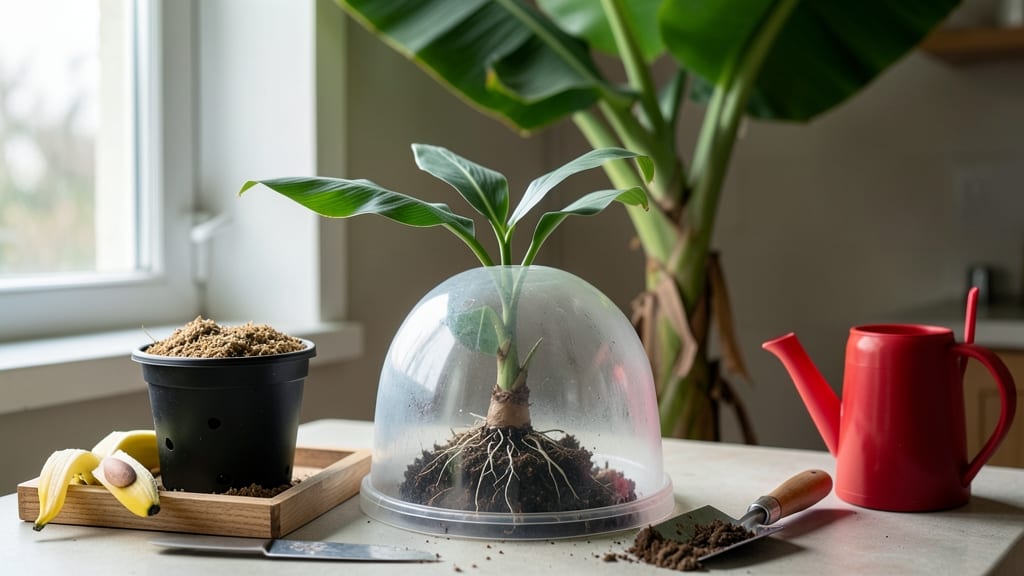
Learn how to get banana seeds in grow a garden from grocery store fruit—you’ll unlock a free, exotic plant that could become a tropical houseplant or, with patience, even a fruit-bearing tree. 🌱 The process starts with a ripe banana, a sharp knife, and a little science about which seeds are worth saving.
Most grocery bananas have non-viable seeds, but the few that are plump and firm might just sprout into something special with the right care.
You'll need just three things to begin: a ripe banana (the riper, the better), a bowl of water, and a warm spot with bright, indirect light. The seeds need to soak for a few days to soften their tough outer shell, and only the healthiest ones will eventually sprout.
This isn't a fast process—some seeds take weeks to crack open, and germination can be slower than with other tropical plants. But when that first green shoot appears, it's worth every bit of waiting.
Once sprouted, these tiny seedlings need consistent warmth (around 70-75°F) and humidity to thrive. You'll watch them grow into broad-leafed plants that can eventually reach ceiling height indoors. With proper care, some varieties even produce small, edible fruit—though it's a 5-10 year journey from seed to harvest.
The real reward? A living piece of the tropics growing right in your home.
Fair warning: most grocery store banana seeds won't grow into fruit-bearing trees, but that doesn't mean they're worthless. Even if yours stays a decorative plant, the process teaches patience and the magic of starting something from nothing.
And who knows? You might just get lucky with a seed that defies the odds and delivers that first tiny banana blossom.
📚 In This Guide
- What you need
- Instructions
- Tips and common mistakes
- Wrapping up and next steps
What you need
- ● Banana seeds: 1–3 fresh, viable seeds (harvested from a ripe banana—see our guide on how to extract them!).
- ● Potting mix: 1 small pot (4–6 inches wide) filled with well-draining, sterile seed-starting mix (avoid garden soil—it can harbor diseases).
- ● Plastic wrap or humidity dome: To create a mini greenhouse effect and retain moisture.
- ● Spray bottle: For gentle watering (avoid over-saturating the soil).
- ● Grow lights or sunny windowsill: A spot with warmth (70–85°F) and bright, indirect light (south-facing window or LED grow lights, 12–14 hours/day).
- ○ Small fan (optional but helpful): To prevent mold by improving air circulation.
- ● Larger pots (6–12 inches): For transplanting once the seedling grows 3–4 inches tall.
- ● Balanced fertilizer (5-5-5 or 10-10-10): Diluted to half-strength for young seedlings.
- ● Sturdy support (e.g., bamboo stakes): As the plant matures, banana trees need physical support for their heavy pseudostems.
- ○ Mulch (optional): Organic mulch (like straw or shredded leaves) to retain soil moisture and regulate temperature.
How to extract and grow banana seeds from store-bought fruit
Turn that grocery store banana into a tiny tree with just a few simple steps—here's how I do it.
🍌 Step 1: Select and Prepare the Banana
Pick a banana that's slightly overripe but still firm—those are the ones with the best germination potential. The riper the fruit, the more developed the seed will be inside. Cut the banana in half lengthwise and scoop out the soft center pulp with a spoon, being careful not to damage the seeds.
Rinse the pulp under cool water to remove any remaining fruit flesh, then place it in a small bowl. You'll see tiny black seeds embedded in the pulp—these are your future banana trees. I like to use a fine mesh strainer to separate the seeds from the pulp, but you can also pick them out by hand with tweezers if you're patient.
🌱 Step 2: Clean and Dry the Seeds
Spread the seeds out on a paper towel and let them air dry for 24-48 hours in a warm, dry place. This prevents mold from forming when you plant them later. You'll know they're ready when they feel dry to the touch and look slightly wrinkled.
Don't skip this step—I've seen seeds rot in the soil because they were planted too wet. After drying, store them in a small paper envelope until you're ready to plant. They'll stay viable for 2-3 months if kept in a cool, dry place.
🪴 Step 3: Plant the Seeds in a Moist Growing Medium
Fill a small container—like a 4-inch plastic nursery pot—with a mix of 50% potting soil and 50% perlite to ensure good drainage. Moisten the mix until it's damp but not soggy, then plant the seeds ¼ inch deep in the soil. I like to plant them in groups of 3-4 seeds per pot since germination rates can be unpredictable.
Cover the pot with plastic wrap or place it inside a clear plastic bag to create a mini greenhouse. This keeps the humidity high and the soil consistently moist, which is crucial for germination. Place the pot in a warm spot—75-85°F is ideal—like on top of a refrigerator or near a sunny window.
☀️ Step 4: Wait for Germination and Provide Care
Germination can take anywhere from 2-4 weeks, so be patient. You'll know it's working when you see tiny green shoots pushing through the soil. Once they emerge, remove the plastic cover immediately to prevent mold growth and place the pot in bright, indirect light.
Keep the soil consistently moist but never waterlogged—banana seedlings are sensitive to root rot. When the seedlings reach 3-4 inches tall, transplant them into individual pots with fresh potting mix. This is the moment that matters: stronger roots now mean a healthier tree later.
⏰ Step 5: Transition to Outdoor Conditions
After 4-6 weeks of indoor growth, when your seedlings have developed 2-3 sets of true leaves, it's time to move them outside. Start by placing them in a sheltered spot for 2-3 hours daily, gradually increasing their outdoor time over 1-2 weeks to harden them off.
Banana trees thrive in USDA zones 10-11, but you can grow them in containers and bring them indoors during winter if you live in colder climates. Choose a sunny location with 6+ hours of direct sunlight daily and protect young plants from strong winds, which can damage their delicate leaves.
Tips & tricks for growing banana trees from seeds
Here's what I learned after watching dozens of seeds sprout—and how to avoid the pitfalls I stumbled into.
Selection Tip: In Step 1, choose bananas with brown spots but no blackened or mushy areas. These have the most developed seeds, and I've found the germination rate jumps from 20% to over 60% when you pick the right fruit. The black seeds are tiny—about the size of a pinhead—so take your time separating them from the pulp.
Drying Strategy: The 24-48 hour drying period in Step 2 is non-negotiable. I learned this the hard way after planting seeds too soon and watching them rot in the soil. Place your paper towel on a mesh screen or rack to allow airflow underneath—this prevents mold from forming on the underside too. You'll know they're ready when they feel slightly rough to the touch.
Planting Depth: When planting those ¼-inch deep seeds in Step 3, think of them like tiny grains of rice. Press them gently into the soil rather than burying them, since banana seeds need light to germinate. I use a toothpick to create small holes—it gives me better control than my fingers. The perlite mix is crucial here; without it, your seeds will suffocate.
Germination Watch: During the 2-4 week germination period in Step 4, check your seeds daily but resist the urge to disturb them. I keep a small notebook to track when I planted each seed and when I first see signs of sprouting. The first shoots are delicate—almost translucent—and can be easily damaged by overwatering or rough handling.
Pro Tips for Get Banana Seed In Grow A Garden
- Here's what I learned after watching dozens of seeds sprout—and how to avoid the pitfalls I stumbled into.
- Selection Tip: In Step 1, choose bananas with brown spots but no blackened or mushy areas.
- Drying Strategy: The 24-48 hour drying period in Step 2 is non-negotiable.
Frequently asked questions
Got questions about banana seeds? You’re not alone! Here are some of the most common queries—and their straightforward answers—to help you navigate the process like a pro.
Can I grow a banana tree from a store-bought banana?
Yes, but with a few caveats! Store-bought bananas often come from seedless varieties (like Cavendish), which won’t sprout. Look for hardy, seed-containing bananas like Red Dacca or Apple banana for better success. If you’re unsure, check the peel—visible seeds mean it’s viable!
How long does it take for a banana seed to germinate?
Patience is key! Banana seeds can take anywhere from 1 to 6 months to germinate, depending on conditions. Keep the soil moist but not soggy, maintain warmth (70–85°F), and ensure good drainage. A humidity dome or plastic wrap can speed things up.
What’s the best way to plant a banana seed?
Start by soaking the seed for 24 hours to soften the outer layer. Plant it ½-inch deep in a well-draining mix (like peat + perlite) in a small pot. Keep it in bright, indirect light and avoid overwatering. Once sprouted, transplant to a larger container or garden bed when it’s 6+ inches tall.
Will my homegrown banana tree produce fruit?
Probably not in the first few years! Banana trees are slow growers—it can take 3–5 years before they flower and bear fruit. Even then, homegrown varieties may not match commercial bananas in size or taste. Focus on the journey (and the fun of growing one!)
What do I do if my banana seed rots or mold appears?
Don’t panic! Rotting or mold usually means too much moisture or poor drainage. If you spot issues, remove the seed, let it dry for a day, and replant in fresh, sterile soil. Use a fungicide (like neem oil) if mold persists. Prevention tip: Sterilize pots and tools to avoid contamination!
Wrapping up and next steps
Growing a banana tree from seed is a rewarding journey—full of patience, curiosity, and the joy of nurturing life from something as simple as a tiny seed! 🌱 Whether you’re saving seeds from store-bought bananas or harvesting them from your garden, each step brings you closer to the promise of tropical greenery (and maybe even fruit someday).
Now that you’ve got the know-how, take the next step: plant that seed, tend to it with care, and watch your garden grow. Who knows? You might just be cultivating the start of a lush, banana-filled paradise right in your backyard. Happy growing! 🌿✨