
How To
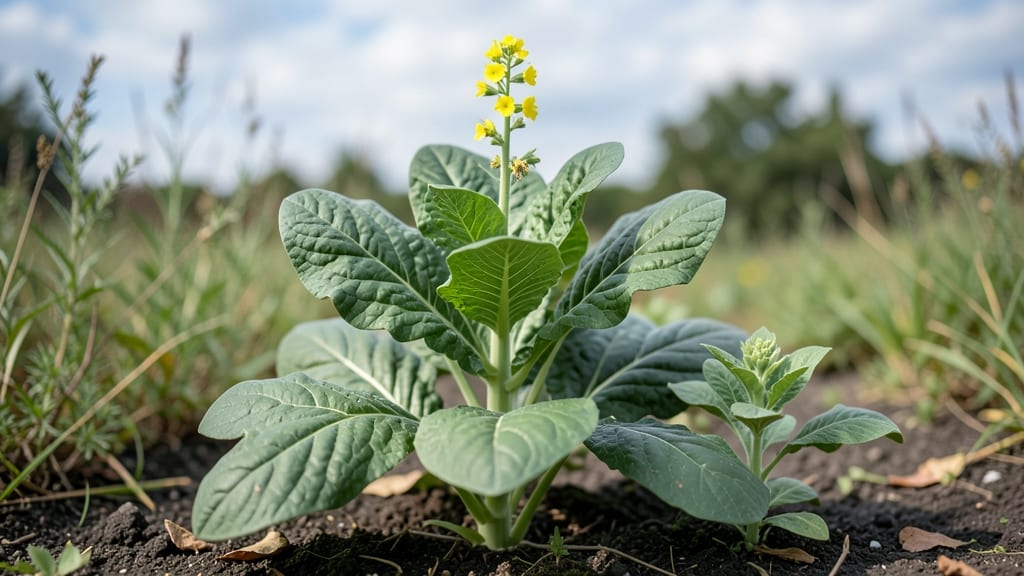
A mustard seed grows into plants that can reach how tall does a mustard seed grow anywhere from 6 inches to over 4 feet, depending on the variety and growing conditions you provide.
Did you know that planting a tiny mustard seed can yield plants towering over your head—or stay compact enough for container gardens? The height of mustard plants varies dramatically by variety, from delicate greens to bold, flowering giants.
If you're wondering how tall your mustard greens 🌱 will grow, the answer depends on whether you're cultivating leafy types like Brassica juncea (typically 1-2 feet) or taller flowering varieties such as Sinapis alba (which can hit 3-4 feet).
Below, I’ll break down the exact height ranges for the most popular mustard varieties—plus the simple tricks to control their growth, whether you want bushy greens or towering stems for your garden.

Mustard plant height ranges by variety: from dwarf to giant
Mustard plants come in a stunning range of heights, from dwarf varieties perfect for containers to towering giants reaching waist height. The species Brassica juncea (Indian mustard) and Sinapis alba (white mustard) dominate the height spectrum, while Eruca sativa (arugula) stays compact.
Knowing your variety's mature height helps you plan spacing, trellising, or container sizes—so let's dive into the specifics for 12+ mustard varieties that will transform your garden.
For leafy greens like Southern Giant Curled Mustard, expect 18-24 inches of bushy growth, while ornamental varieties such as Red Giant Mustard can soar to 3-4 feet tall with dramatic purple flowers.
Oilseed mustards like Brassica carinata (Ethiopian mustard) grow 3-5 feet tall, making them ideal for larger plots. Understanding these differences ensures you choose the right variety for your space and goals—whether you're growing for harvest, beauty, or both.
| Variety | Type | Mature Height | Growth Habit | Best For |
|---|---|---|---|---|
| Southern Giant Curled | Leafy Green | 18-24" | Bushy | Containers, Salads |
| Red Giant Mustard | Ornamental | 3-4 ft | Upright | Cut Flowers, Borders |
| Tendergreen | Leafy Green | 12-18" | Compact | Small Spaces, Succession |
| Arugula (Eruca sativa) | Leafy Green | 6-12" | Low-Growing | Containers, Salads |
| California Mustard | Wildflower | 2-3 ft | Tall, Branching | Pollinators, Meadows |
| Brassica carinata | Oilseed | 3-5 ft | Upright | Large Fields |
| Tokyo Bekana | Leafy Green | 12-15" | Bushy | Asian Cuisine |
| Black Mustard | Spice Seed | 2-3 ft | Tall, Woody | Spice Production |
| White Mustard (Sinapis alba) | Cover Crop | 3-4 ft | Upright | Soil Improvement
How to control mustard plant height: pruning and spacing tipsMustard plants can grow from delicate 6-inch dwarf varieties to towering 4-foot giants, depending on care and variety. The key to controlling their height lies in three simple strategies: pruning techniques, proper spacing, and nutrient management. These methods help you tailor your mustard plants to your garden space, whether you're growing leafy greens for salads or flowering varieties for pollinators. For leafy mustard greens like Southern Giant Curled, regular pruning encourages bushier growth and prevents leggy stems. Meanwhile, flowering types such as ornamental mustard benefit from strategic spacing to reduce competition and promote stronger stems. Let's dive into the specifics to keep your mustard plants at your desired height. 🌱 How Tall Does a Mustard Seed Grow?Height ranges: 6 inches (dwarf varieties) to 4 feet (tall flowering types). Most common leafy greens reach 12-24 inches, while ornamental mustard can exceed 3 feet when unchecked. Spacing and pruning can adjust growth by 30-50%. Start by planting seeds 1 inch apart in rows spaced 12-18 inches apart for leafy varieties. This spacing prevents overcrowding, which forces plants to stretch upward for sunlight. For flowering mustard, increase spacing to 24-36 inches to accommodate their larger size and prevent disease spread. Pruning is your best tool for managing height. For leafy mustard greens, pinch off the top 2-3 inches of the main stem when plants reach 6-8 inches tall. This encourages lateral branching, creating a bushier plant with more harvestable leaves. Repeat pruning every 2-3 weeks during the growing season for continuous growth. Nutrient management also plays a crucial role. Over-fertilizing with nitrogen can lead to rapid, leggy growth. Instead, use a balanced fertilizer (10-10-10) and focus on organic matter like compost to promote steady, compact growth. Side-dress with compost every 4-6 weeks to support strong stems without excessive height. If you're growing mustard for seeds, allow some plants to flower and bolt while continuing to prune others for greens. This two-pronged approach ensures you get both leafy harvests and seed production from the same garden. Always harvest leaves from the outer edges to avoid stunting the plant's growth. With these strategies, you can keep your mustard plants at the perfect height for your garden—whether you're aiming for compact containers or tall borders. Experiment with different varieties and techniques to find what works best for your space and goals. Happy growing! 🌿 |