
Lawn
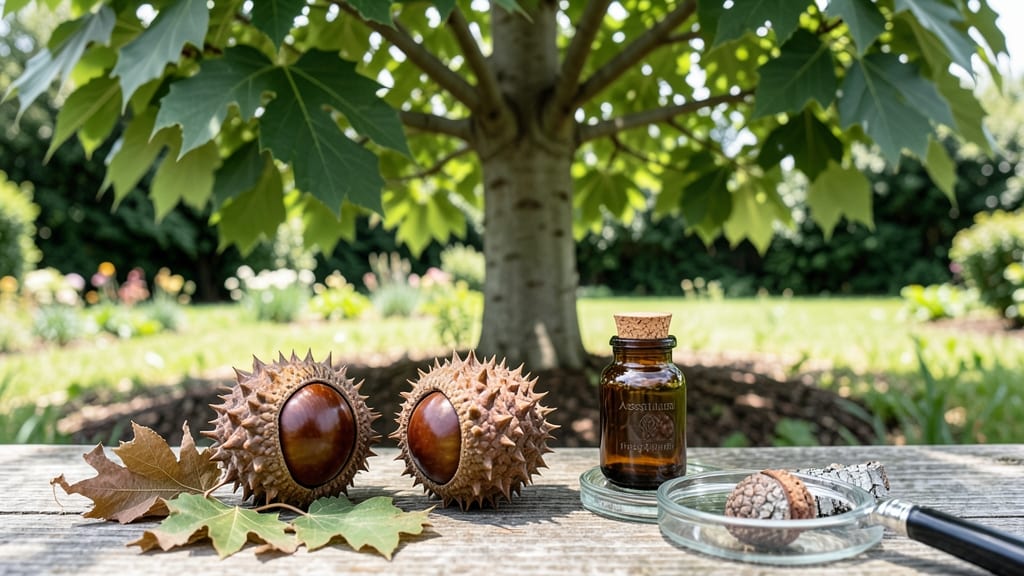
Your lawn's worst enemies—weeds and slugs—might just meet their match with horse chestnut seed extract. 🌱 This natural remedy, packed with aescin, tackles both pests and fungal issues without harsh chemicals, making it a game-changer for organic gardeners.
The secret lies in its tannin-rich extract, which studies show disrupts slug feeding patterns while acting as a mild antifungal agent. Unlike synthetic sprays, this solution breaks down safely in the soil, leaving no toxic residue for kids or pets to encounter.
Just be mindful of dilution ratios—too strong, and you risk harming beneficial insects. You'll start seeing results within 2-3 weeks of application, with fewer chewed leaves and healthier grass.
The extract works best when applied in early evening, when slugs are most active, and reapplication every 4-6 weeks keeps them at bay during peak growing seasons. For best results, test on a small patch first—some plants, like delphiniums, can be sensitive.
And remember: while safe for lawns, never ingest it or apply near water sources where pets might drink. Science-backed and eco-friendly, this is one natural solution that actually delivers.
📚 In This Guide
- What you need
- Instructions
- Tips and common mistakes
- Wrapping up and next steps
What you need
- ● Horse chestnut seeds (Aesculus hippocastanum) – 1 lb (450g) fresh or dried seeds. Ensure they’re organic and free from mold or rot.
- ● Distilled water – 5 gallons (19 liters). Tap water with chlorine is fine, but distilled is best for purity.
- ● Large pot or bucket – Minimum 6-gallon capacity, non-reactive (stainless steel or food-grade plastic).
- ● Cheesecloth or fine mesh strainer – Large enough to cover the bucket opening. A coffee filter won’t cut it—this stuff needs a tight filter!
- ○ Gloves and safety goggles – Optional but recommended when handling seeds (some folks have sensitivities).
- ● Spray bottle or garden sprayer – 1-gallon capacity or larger. A pump sprayer works best for even coverage.
- ● Measuring cup or scale – For precise water-to-seed ratios.
- ○ Mortar and pestle (or hammer) – To crush seeds into smaller pieces for faster extraction (optional but speeds up the process).
- ● Wooden spoon or spatula – For stirring the mixture without scratching your bucket.
- ● Label and marker – To mark your spray bottle with “Weed Killer – Use With Caution!” (safety first!).
- ● Second bucket – For rinsing tools or storing leftover extract.
- ○ Organic vinegar (5% acidity) – 1 cup (240ml) per gallon of extract (optional booster for tough weeds).
How to make horse chestnut seed extract for natural weed control
This simple, chemical-free method taps into nature's own weed-killing power—just gather seeds and let time do the work.
🌱 Step 1: Harvest and Prepare Fresh Horse Chestnut Seeds
Collect green, unripe horse chestnut seeds in late summer when they're about 1-2 inches long but still firm to the touch. Avoid overripe or brown seeds—they won't produce effective extract. Wear gloves, as the seeds contain aesculin, which can irritate skin.
Cut the seeds open lengthwise with a sharp knife, removing the white, gel-like interior. This is your active ingredient. Place the extracted gel in a clean quart-sized mason jar, filling it no more than halfway. The gel should look translucent with a slightly sticky texture—this is your base extract.
💧 Step 2: Steep the Seeds in Water for Maximum Potency
Fill the jar with distilled water (tap water contains chlorine that can degrade the extract) until the gel is fully submerged. Seal the jar tightly and store it in a cool, dark place—like a pantry or basement—for 4-6 weeks. You'll know it's ready when the liquid turns a deep amber color and smells faintly sweet.
Shake the jar gently every 3-4 days to keep the gel suspended. If mold appears (fuzzy white or black spots), discard the batch immediately—this means the extract has gone bad. The longer you steep it, the stronger it becomes, but 6 weeks is the ideal window before potency starts to decline.
☀️ Step 3: Dilute and Apply to Weeds Selectively
Strain the extract through a fine mesh sieve or cheesecloth into a spray bottle, pressing gently to extract all liquid. Dilute the concentrated extract with equal parts water—for every 1 cup of extract, add 1 cup of water. This dilution ensures the extract works effectively without harming grass.
Apply the mixture on a dry, sunny day when weeds are actively growing. Spray directly onto weed leaves, avoiding grass blades. The extract works best when applied in the late afternoon, giving weeds time to absorb it before evening. You'll see results within 3-5 days—weeds will yellow and wilt as the aesculin disrupts their growth.
✂️ Step 4: Reapply and Maintain Weed-Free Lawn
Reapply the diluted extract every 2-3 weeks during the growing season to keep weeds at bay. Store the remaining extract in a dark glass bottle in the fridge—it lasts up to 6 months when properly stored. For stubborn weeds, apply a second coat after 48 hours.
After treatment, water the lawn lightly to help the extract spread evenly. Avoid mowing for 24 hours post-application to allow the solution to work. Over time, your lawn will develop natural resistance to weeds as the soil microbiome adjusts to the extract's presence.
Tips & tricks for perfect horse chestnut seed extract
Here's what nobody tells you about making this natural weed killer work its magic.
Selection Tip: Timing is everything when harvesting horse chestnut seeds. Aim for late summer when they're still green and firm—this is when aesculin, the active weed-killing compound, is at its peak potency. I've learned the hard way that waiting until they turn brown means losing half the effectiveness.
Storage Wisdom: That quart-sized mason jar isn't just for looks—it needs to be filled no more than halfway with gel. The gel expands as it releases its compounds, and overfilling could cause spills or even breakage. I store my jars in a dedicated pantry cabinet where they won't get bumped, and I always label them with the harvest date.
Make-Ahead Move: You can absolutely start this process early and let it sit for the full 6 weeks before using. In fact, the longer it steeps within that window, the stronger it becomes. I've made batches in early summer and stored them in the fridge until weed season starts—just remember to shake it every 3-4 days during the steeping period to keep everything mixed properly.
Application Strategy: The late afternoon timing in Step 3 isn't just arbitrary—it gives weeds several hours of sunlight to absorb the extract before nightfall. I've found that applying in the morning can sometimes lead to faster evaporation, reducing effectiveness. Also, always spray until leaves are visibly wet, but avoid oversaturating the soil around grass roots.
Pro Tips for Horse Chesnut Seed Extract
- Here's what nobody tells you about making this natural weed killer work its magic.
- Selection Tip: Timing is everything when harvesting horse chestnut seeds.
- Storage Wisdom: That quart-sized mason jar isn't just for looks—it needs to be filled no more than halfway with gel.
Frequently asked questions
Got questions about using horse chestnut seed extract as a natural weed killer? You’re not alone! Here are some of the most common queries—and straightforward answers—to help you get the most out of this eco-friendly solution.
How long does it take for horse chestnut extract to kill weeds?
Results typically appear within 2 to 4 weeks, depending on weed type, weather, and application strength. Warm, sunny days speed up the process—think of it like giving your weeds a one-way ticket to the compost pile! For stubborn weeds, reapply every 7–10 days.
Can I use horse chestnut extract on all types of weeds?
This extract works best on broadleaf weeds (like dandelions, clover, and plantain) but is less effective on grassy weeds (e.g., crabgrass). For tough grassy invaders, combine it with a vinegar spray or manual removal. Always spot-test on a small area first!
Is horse chestnut extract safe for pets and kids?
While the extract itself is non-toxic to pets and children, the alcohol or soap used in the spray might irritate sensitive skin or paws. Rinse treated areas after 24 hours, and keep pets off the lawn until the spray dries. Always store the extract out of reach!
What’s the best time of year to apply it?
Apply when weeds are actively growing—late spring to early summer (May–July) is ideal. Avoid freezing temps, as cold weather slows absorption. For winter weeds, treat in early fall before the first frost. Think of timing like baking: too early or too late, and your "recipe" won’t work!
What if the extract doesn’t work? Troubleshooting tips!
If weeds persist, check these fixes:
- Dilution issue: Use the full-strength recipe (no watering down!).
- Missed spots: Reapply, focusing on weed stems and leaves.
- Rain interference: Wait 24 hours after rain before spraying.
- Weed resilience: Try a second application 7–10 days later.
Wrapping up and next steps
Horse chestnut seed extract isn’t just a natural alternative—it’s a game-changer for eco-conscious gardeners tired of harsh chemicals. 🌱 Packed with aesculin, it effectively targets weeds like dandelions and clover while keeping your lawn thriving.
With minimal effort and zero synthetic additives, you’re not just fighting weeds—you’re nurturing a healthier, greener space.
Ready to give it a try? Start small with a patch of your lawn and observe the results. Your future self (and the planet) will thank you! 🌿