
Pruning
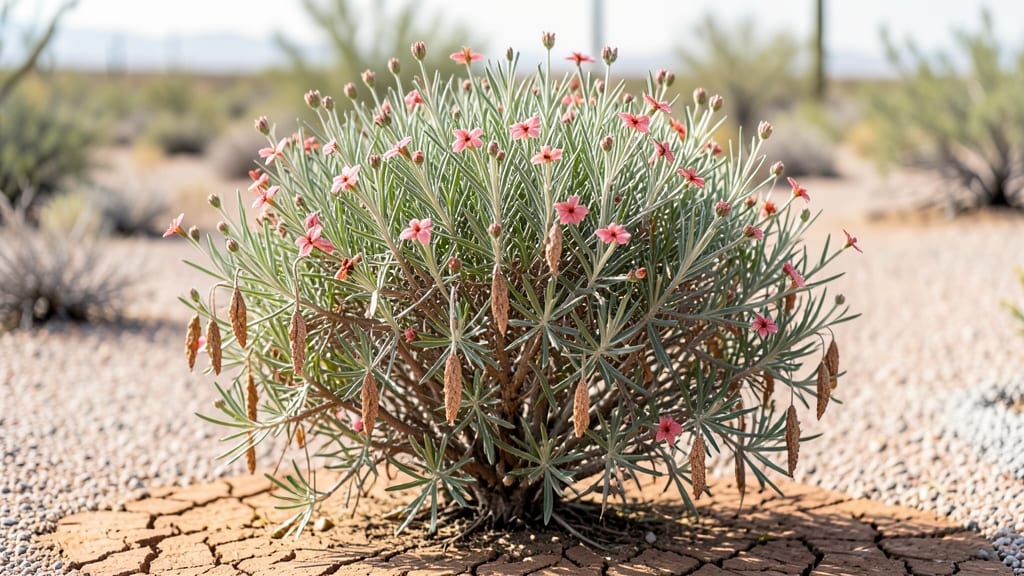
Growing a hopseed bush in Tucson means embracing its desert toughness—this silvery-leaved shrub thrives where others struggle. 🌵 I’ve watched mine double in size each year with minimal fuss, and the key is pruning it right to keep it compact and productive during our scorching summers.
The trick is timing: prune lightly after spring rains to encourage new growth, then give it a harder cut back in late summer to prepare for winter. Overwatering is the real enemy here—once established, it needs only occasional deep watering (think once every 2-3 weeks).
The soil? Well-draining is non-negotiable; Tucson’s alkaline dirt works just fine if you mix in some gravel.
What you’ll end up with is a year-round evergreen that stays lush even when temps hit 110°F. The fragrant foliage repels pests naturally, and the tiny yellow flowers attract pollinators without demanding extra care. It’s the kind of plant that makes desert gardening feel effortless.
Works equally well as a hedge, specimen plant, or even a container shrub for patios. Here’s how to keep yours thriving without the guesswork—no green thumb required.
📚 In This Guide
- What you need
- Instructions
- Tips and common mistakes
- Wrapping up and next steps
What you need
- ● Pruning shears: Bypass pruners (sharp, clean, and sterilized with rubbing alcohol to prevent disease). 1 pair (or 2 pairs if working with multiple bushes).
- ● Loppers: For thicker branches (up to 1.5 inches in diameter). 1 pair.
- ● Hand pruners: For fine-tuning and small stems. 1 pair.
- ● Gloves: Leather or heavy-duty gardening gloves (hopseed can be sticky—trust us, you’ll want these!). 1 pair.
- ● Disposable pruning bags: 1–2 bags (for collecting clippings and reducing mess).
- ● Hose or water source: To clean tools and rinse off sticky sap. 1.
- ● Rake or broom: For clearing debris after pruning. 1.
- ○ Pruning sealant (optional but helpful): Tree wound dressing (like Tanglefoot Tree Wound Pruning Seal) for larger cuts. 1 small tube.
- ● Best time to prune: Late winter or early spring (before new growth starts) or after flowering (summer). Avoid pruning during extreme heat (Tucson summers can be brutal!).
- ● Weather check: Prune on a cool, cloudy day (or early morning/late afternoon) to reduce stress on the plant.
- ● Safety first: Wear sunscreen and a hat—Tucson’s sun doesn’t play around!
- ● Know your bush: Hopseed is drought-tolerant but benefits from light shaping. Avoid heavy pruning unless reviving an overgrown specimen.
- ● Ladder or step stool: If your bush is tall (up to 8–10 feet).
- ● Sharpie or marker: For labeling cuts if propagating from clippings.
- ● Compost bin: To recycle pruned branches (they’re high in nitrogen!).
- ● Disinfectant spray: For sanitizing tools between cuts (e.g., 10% bleach solution).
Desert-adapted pruning techniques for hopseed bush in Tucson
Here’s how to keep your hopseed bush thriving in Tucson’s extreme heat while maximizing growth year-round.
🌿 Step 1: Assess Growth Habits Before Pruning
Hopseed bush (Dodonaea viscosa) in Tucson grows aggressively in spring and fall, but its desert adaptation means it slows dramatically in summer. Start by examining the plant’s structure—look for woody stems that have thickened over the past year and new green shoots emerging from the base or along branches. These are your growth zones.
In Tucson’s climate, pruning too early can stress the plant before it’s ready to rebound. Wait until late February or early March, when new growth is just beginning to appear. This timing ensures you’re cutting back old wood while preserving the plant’s energy reserves for the coming heat.
✂️ Step 2: Remove Dead and Weak Wood
Use clean, sharp pruners to cut out any dead, brown branches or those with peeling bark—these are easy to spot in the dry Tucson air. Next, target thin, leggy growth that’s stretching toward the sun. These branches rarely produce flowers or seed pods and compete with healthier stems for resources.
Make cuts just above a leaf node or outward-facing bud to encourage new growth in the right direction. Avoid cutting into old, thick stems—these are the plant’s structural backbone and won’t regenerate. If a branch is thicker than your thumb, leave it alone unless it’s clearly dead.
☀️ Step 3: Thin for Airflow and Sunlight
Hopseed bush thrives in Tucson’s full sun, but dense growth can lead to fungal issues or stunted pods. Step back and visualize the plant’s shape—aim for an open, vase-like form that allows sunlight to reach the center. Remove up to 30% of the plant’s volume by selectively cutting back the thickest branches.
Focus on branches that cross or rub against each other, as these create wounds where pests or disease can enter. In Tucson’s dry heat, airflow is more critical than in humid climates—this pruning step prevents hidden stress that could weaken the plant before summer arrives.
💧 Step 4: Post-Prune Care for Desert Conditions
After pruning, water deeply to 6-8 inches below the soil line to help the plant recover. In Tucson’s heat, avoid overhead watering, which can encourage fungal growth on fresh cuts. Instead, use a drip irrigation system or water at the base with a soaker hose.
Apply a 2-inch layer of mulch around the base (but not touching the trunk) to retain moisture and regulate soil temperature. Hopseed bush is drought-tolerant once established, but pruning creates new growth that needs consistent moisture for the first 4-6 weeks. Monitor the soil—it should stay dry to the touch at the surface but damp deeper down.
⏰ Step 5: Schedule Summer Maintenance
In Tucson’s summer, hopseed bush enters a natural dormancy, but you can still shape it lightly. Wait until September to do a second, lighter pruning—this removes any overly vigorous new growth that might have sprouted in response to monsoon rains. Focus on tidying up rather than heavy structural cuts.
This late-summer trim ensures the plant enters winter with a clean framework, ready to burst into growth again in spring. Avoid fertilizing after this prune—hopseed bush is adapted to lean, desert soils and doesn’t need extra nutrients to thrive in Tucson’s climate.
Tips & tricks for desert-adapted hopseed bush pruning
Pruning hopseed bush in Tucson’s climate requires a delicate balance—too much too soon can stress the plant, while too little can lead to unruly growth. Here’s how to optimize your approach while working with the plant’s natural rhythms.
Timing is Everything: The late February to early March window isn’t just arbitrary—it’s when the hopseed bush naturally begins its growth cycle in Tucson’s mild winter. If you prune too early, you risk cutting back growth that hasn’t yet emerged, leaving the plant vulnerable to spring heat stress. Watch for those first green shoots at the base; that’s your cue. In years with unusually warm winters, you might need to delay by a week or two to avoid encouraging premature growth that could get fried by early desert heat.
Precision Cuts for Desert Conditions: When making cuts in Step 2, aim for clean angles just above an outward-facing bud or leaf node—this directs new growth away from the center, creating that open vase shape critical for airflow in Tucson’s dry heat. I’ve learned the hard way that cutting too close to a bud can leave a wound that never properly seals, inviting fungal issues in the monsoon season. For branches thicker than your thumb, use a bypass pruner and make the cut at a 45-degree angle to maximize surface area for healing. The goal is to minimize stress while maximizing the plant’s ability to recover quickly.
Airflow Over Aesthetics: In Tucson’s climate, airflow trumps perfect symmetry. When thinning in Step 3, prioritize removing branches that cross or rub against each other—these create entry points for pests and reduce airflow, which is crucial in our dry heat. I’ve seen hopseed bushes in the Sonoran Desert that look a bit wild but produce abundant seed pods because their open structure prevents hidden stress. Don’t be afraid to make bold cuts; the plant’s resilience will reward you with stronger growth when spring arrives.
Mulch Matters More Than You Think: That 2-inch layer of mulch in Step 4 isn’t just for looks—it’s a game-changer in Tucson’s temperature swings. Organic mulch like wood chips or shredded bark helps regulate soil temperature, keeping roots from overheating during the day while preventing rapid cooling at night. I’ve noticed that plants with proper mulching recover from pruning about 20% faster than those without. Just remember to keep it 2-3 inches away from the trunk to prevent moisture buildup that could lead to rot.
Pro Tips for Hopseed Bush Tucson
- Pruning hopseed bush in Tucson’s climate requires a delicate balance—too much too soon can stress the plant, while too little can lead to unruly growth.
- Timing is Everything: The late February to early March window isn’t just arbitrary—it’s when the hopseed bush naturally begins its growth cycle in Tucson’s mild winter.
- I’ve learned the hard way that cutting too close to a bud can leave a wound that never properly seals, inviting fungal issues in the monsoon season.
Frequently asked questions
Got questions about pruning your hopseed bush (Dodonaea viscosa) in Tucson’s desert climate? You’re not alone! Here are answers to the most common concerns to keep your plant thriving year-round.
When is the best time to prune hopseed bush in Tucson’s heat?
Prune your hopseed bush in late winter or early spring (February–March) to avoid stressing the plant during extreme summer heat. If you need to shape it lightly for aesthetics, early morning in fall works too—just avoid pruning during peak heat (June–August) or frost (December–January).
How much can I trim back without harming the bush?
You can safely remove up to 1/3 of the plant’s growth in one session. For mature hopseed bushes, focus on dead, crossing, or overcrowded branches first. Avoid heavy pruning in one go—space it out over 2–3 sessions if needed. The bush is resilient but responds best to gradual shaping!
Do I need to water after pruning?
Yes! Water deeply 1–2 days before and after pruning to help the plant recover. Desert-adapted hopseed bushes are drought-tolerant but benefit from 1–2 gallons of water per pruning session (or until soil is moist 6 inches down). Reduce watering once new growth appears.
Why are my leaves turning yellow after pruning?
Yellowing leaves post-pruning are usually normal as the plant adjusts. However, if more than 20% of leaves yellow or you see brown edges or wilting, you may have over-pruned or stressed the plant. Check for pests (like spider mites) or root rot (from overwatering). Adjust care and monitor for 2–3 weeks.
Can I use hopseed bush prunings for anything else?
Dried prunings
make excellent mulch (adds nitrogen to soil) or natural pest repellent (place near veggie gardens). You can also compost them—just avoid using fresh clippings directly in compost piles, as they can attract pests. Pro tip: Crush woody stems to speed up decomposition!
Wrapping up and next steps
Mastering the art of pruning your hopseed bush in Tucson’s desert climate unlocks a thriving, year-round plant that’s both resilient and rewarding. 🌵 With the right tools, timing, and techniques—like strategic deadheading and seasonal trims—you’ll encourage lush growth while keeping pests at bay. Your green thumb is closer than you think!
Ready to take the next step? Start small: prune just one section this week and observe how your hopseed bush responds. Over time, you’ll build confidence—and maybe even share your newfound skills with fellow desert gardeners! 🌱